



Beyond Beer and Wings
When a major soccer tournament like the World Cup or Copa América kicks off, millions of Americans will flock to bars, pubs, and restaurants to watch. The easy play for any venue manager is to rely on the default sports bar playbook: cheap domestic lagers,
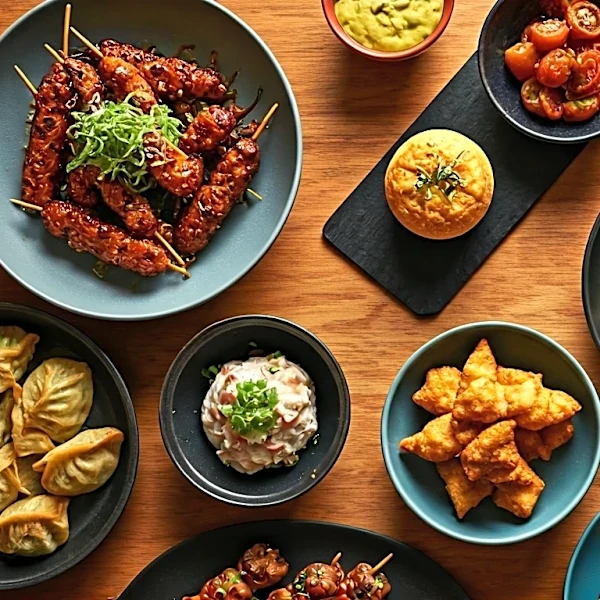
a mountain of buffalo wings, and maybe a pretzel with cheese sauce. While that menu is a time-honored tradition for American football, it’s a massive missed opportunity during a global event. Soccer’s appeal is its international nature. Fans aren't just cheering for a team; they’re often connecting with their heritage or celebrating a country’s culture. Serving the same old generic fare is like playing a beautiful symphony on a broken kazoo. A “food story” elevates the experience from passively watching a game to actively participating in a cultural event. It’s the difference between being a room with a TV and being a destination. This means curating a menu that reflects the drama on screen—offering small plates, drinks, and specials that connect directly to the nations competing.
Tapping into Emotional Connection
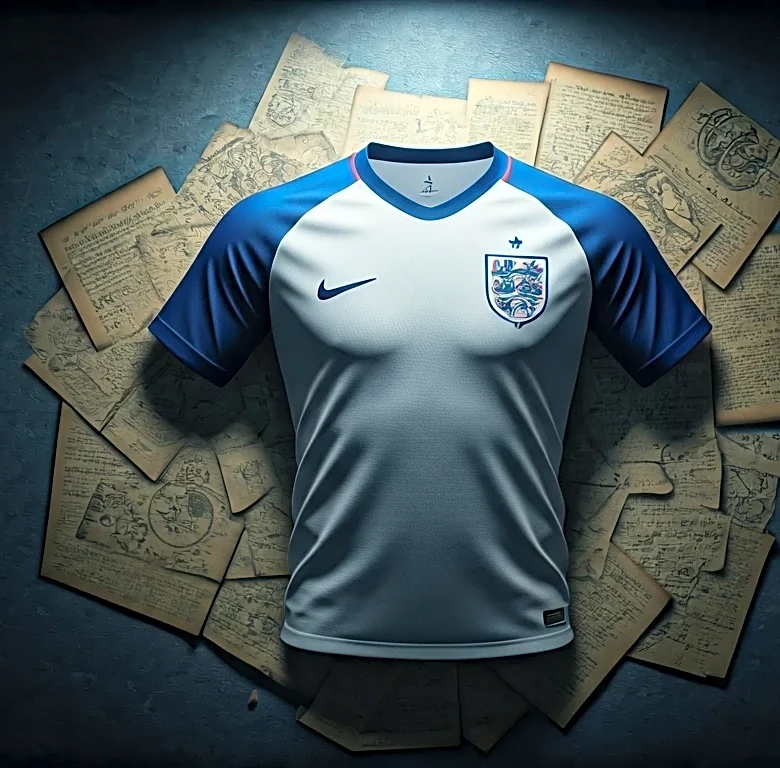
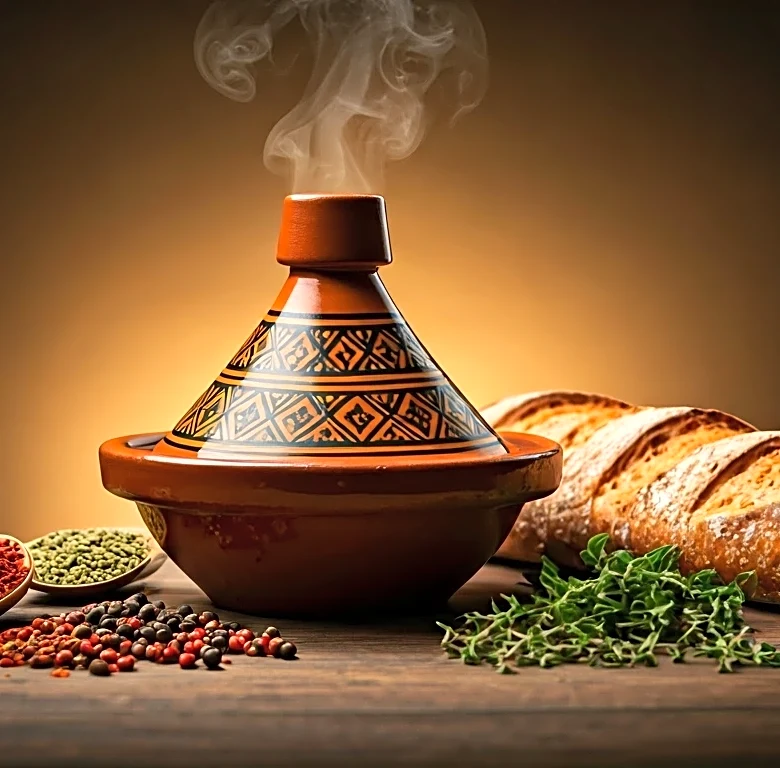
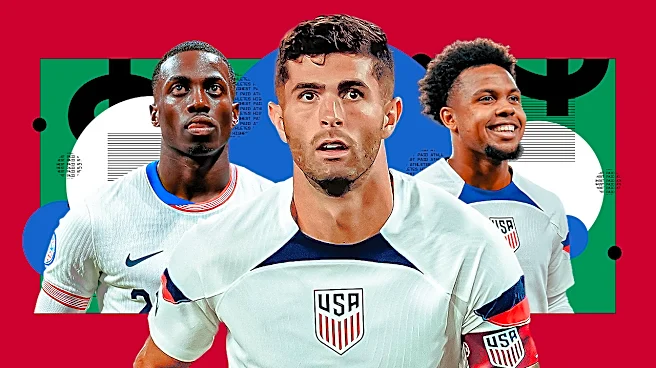
Food is a shortcut to memory and emotion. The flavor of a dish or the aroma of a specific spice can transport us. During a tournament, this is an incredibly powerful tool. Imagine a fan with Brazilian roots watching their team play while sipping a perfectly made caipirinha and snacking on pão de queijo. Or a group of friends trying Argentine empanadas for the first time as Messi’s squad takes the field. The food is no longer just fuel; it becomes part of the ritual, a tangible link to the passion on display. This strategy doesn't require a complete menu overhaul. It can be as simple as offering two or three special items for marquee matchups. For a USA vs. England game, think beyond burgers and offer a playful take on fish and chips alongside a craft beer flight from both nations. For Mexico matches, street tacos and palomas are a natural fit. This thoughtful curation tells fans, “We see you. We get it. We’re celebrating with you.” It fosters a sense of community and belonging that a generic menu simply cannot replicate.
The Social Media Multiplier
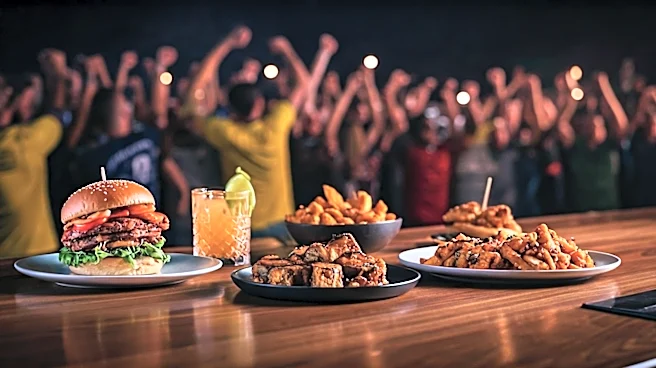
In the modern marketing landscape, every plate is a potential billboard. A standard basket of fries is forgettable. A vibrant platter of German bratwurst with sauerkraut and mustard, served in a branded stein during a Germany match, is content. A colorful cocktail trio representing Italy’s flag is destined for Instagram. When you create a food story, you’re not just feeding your customers; you’re giving them something to talk about and, more importantly, to share. This organic marketing is invaluable. A customer’s post showing off your special “Three Lions” platter is a more authentic and persuasive advertisement than any ad you could buy. It signals to their network that your venue is the place to be for the games. It builds buzz and FOMO (fear of missing out), driving foot traffic from people seeking a more immersive and photogenic viewing experience. By designing visually appealing, thematically relevant dishes, you turn your patrons into your most effective marketers.
Driving Revenue Through Experience
Let’s be direct: a food story is good for the bottom line. Themed specials create opportunities for upselling and command higher price points. A “Spanish Sangria Pitcher” feels more special and justifies a higher price than a generic house red. Limited-time offerings create a sense of urgency that encourages ordering. Customers engaged in a full sensory experience are also more likely to stay longer and order more rounds. The game becomes the main event, but the food and drink become the essential supporting act that completes the day or night out. Furthermore, this approach attracts a broader clientele. You’re no longer just competing for the hardcore sports fan; you’re also appealing to foodies, casual viewers, and people simply looking for a fun, unique social outing. By transforming a simple game viewing into a multi-faceted cultural event, you expand your addressable market and increase your per-customer revenue.