






Nothing promises glamour quite like a sequin dress, but that sparkle often comes with a scratchy, irritating price. The difference between a head-turner you can dance in all night and one you regret in an hour is the unsung hero: its lining.
The High Price of Sparkle
The very thing
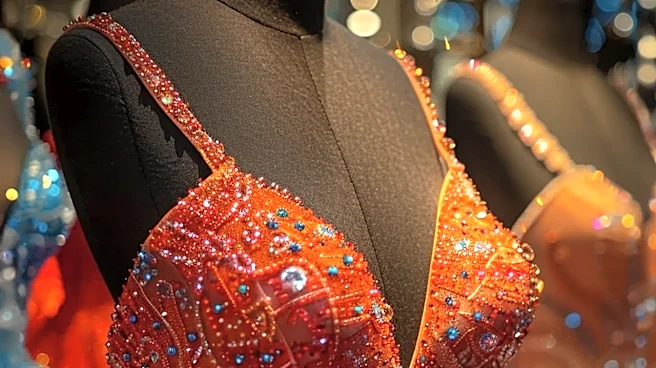
that makes a sequin dress spectacular is also what makes it a potential instrument of torture. Sequins are essentially small, sharp discs of plastic or metal. When sewn onto a base fabric, their edges and the tough thread used to attach them can create a rough, abrasive surface. This is especially true along seams, armholes, and the neckline, where friction is constant. Fast-fashion versions often exacerbate the problem by sewing sequins directly onto unlined, cheap polyester mesh. The result is a dress that chafes, scratches, and irritates the skin, particularly on sensitive areas like the underarms. This discomfort can turn a celebratory night out into an endurance test, proving that not all that glitters is comfortable.
Why the Lining Is Everything
A high-quality lining is the critical barrier between your skin and the potentially scratchy exterior of the dress. Its primary job is comfort, creating a smooth, protective layer that prevents chafing. But a good lining does more than just shield you. It provides structure, helping the garment hang correctly and preventing the weight of the sequins from causing the dress to sag or pull in odd ways. It also enhances the drape, allowing the dress to move fluidly with your body. Furthermore, a lining adds opacity to sheer base fabrics like mesh or tulle, ensuring you feel secure and covered. In short, the lining is not just an add-on; it's a fundamental component of quality construction that dictates both comfort and fit.
Decoding the Fabric Tag: Linings to Look For
When you're shopping, flipping a sequin dress inside out is the most important move you can make. The fabric tag will tell you everything. For premium comfort, look for Bemberg rayon, often considered the gold standard for its silky-soft feel, breathability, and moisture-wicking properties. Silk is another luxurious, top-tier option that offers zero friction against the skin. For dresses that require movement and stretch, a matte nylon-spandex jersey is an excellent choice, as it's smooth, breathable, and moves with the body without adding bulk. A high-quality satin can also work well by providing a slick surface that glides against the skin. While often used, be wary of standard, thin polyester linings, as they lack breathability and can feel clammy or generate static.
How to Shop for a Comfortable Sequin Dress
Beyond reading the tag, use your hands. Feel the lining material—is it soft and smooth, or does it feel stiff and cheap? Check to see if the dress is fully lined. Some manufacturers cut corners by only partially lining a garment, leaving areas like the sleeves unlined and scratchy. Pay close attention to the seams, especially under the arms. Quality designers will often ensure the lining extends fully to cover these high_friction zones, or even leave a clean border of smooth fabric to prevent sequins from digging in. If the dress is made from a stretch sequin fabric, the lining should be stretch as well to ensure it moves with the outer layer instead of restricting it. Don't be afraid to give the dress a gentle shake; if it sheds more than a few stray sequins, it's a sign of poor construction that often goes hand_in_hand with an uncomfortable lining.