



The Protective Power of Kohl
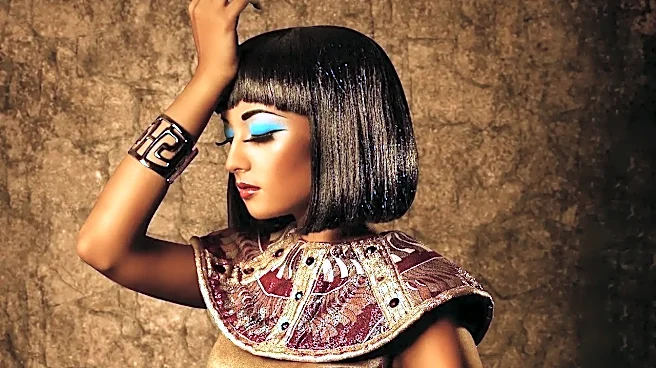
That iconic, heavy eyeliner wasn't just for dramatic effect. Worn by men and women of all social classes, kohl was a crucial tool for survival in the desert. Traditionally made from ground galena (a lead sulfide), the dark pigment helped deflect the harsh
glare of the sun, acting like ancient sunglasses. But its benefits were more than just practical. The Egyptians believed the heavy lining of the eyes invoked the protection of the gods Horus and Ra, warding off the “evil eye.” Scientific analysis suggests they were onto something; the lead compounds, when prepared correctly, could have stimulated an immune response, helping to prevent common eye infections.
The Legendary Milk and Honey Bath
Cleopatra’s famous milk and honey baths were the pinnacle of ancient luxury, but the science behind them is surprisingly simple and effective. Milk is rich in lactic acid, a natural alpha-hydroxy acid (AHA) that gently dissolves the bonds holding dead skin cells together, revealing smoother, brighter skin underneath. Honey, meanwhile, is a natural humectant, meaning it draws moisture into the skin. It’s also packed with antibacterial and antioxidant properties. This combination created a spa treatment that exfoliated, hydrated, and nourished the skin, leaving it soft and radiant. It was a ritual designed not just for beauty, but for total skin health.
Sugaring: The Original Hair Removal
Long before waxing or lasers, ancient Egyptians practiced sugaring for hair removal. A hairless body was considered a standard of beauty, cleanliness, and high social status. The method involved a simple, sticky paste made from sugar, water, and lemon juice—a recipe still used today. This natural concoction was applied to the skin and removed, pulling hair out from the root. Unlike modern waxing, sugaring paste is typically applied against the direction of hair growth and removed with it, making the process reportedly less painful and reducing the likelihood of breakage and ingrown hairs. It was an effective and gentle way to achieve the smooth skin they prized.
Scent as a Sacred Ritual
Perfume in ancient Egypt was far more than a final spritz before leaving the house; it was a core part of daily life and religious practice. Unlike modern alcohol-based sprays, Egyptian fragrances were rich, thick unguents made from an oil base, such as moringa or castor oil. These oils were infused with local flowers, herbs, and spices like lily and cinnamon. More precious, imported resins like myrrh and frankincense were used for sacred ceremonies and by the elite. Egyptians would even wear cones of this scented wax on their heads at banquets, which would slowly melt over the course of the evening, releasing fragrance and moisturizing their hair and skin.
Henna for Hair and Health
The henna plant was a cornerstone of Egyptian beauty and medicine. Its leaves were crushed into a powder and mixed with a liquid to create a paste with a reddish-brown dye molecule called lawsone. While popularly used for temporary body art, it was also a go-to for hair care. Egyptians used henna to dye their hair, covering grays and adding a vibrant red tint, but it also acted as a natural conditioner. Beyond cosmetics, henna was valued for its medicinal properties, documented in ancient medical texts like the Ebers Papyrus. Its cooling and antimicrobial qualities made it useful for treating rashes, burns, and other skin ailments.