






A Contractual Obligation for an Icon
Believe it or not, the first actor contractually offered the lead role was Frank Sinatra. Die Hard is based on the 1979 novel Nothing Lasts Forever by Roderick Thorp, which was a sequel to his earlier book, The Detective. Sinatra had starred in the 1968
film adaptation of The Detective, and his contract gave him the right of first refusal for any sequel. The studio legally had to offer the part to the legendary crooner, who was in his early 70s at the time. Unsurprisingly, Sinatra declined, reportedly finding the idea of playing an action hero at his age amusing.
The Search for a Muscle-Bound Hero
With Sinatra out, the studio went hunting for the quintessential 1980s action star. At the time, the genre was dominated by muscle-bound, seemingly invincible heroes. Their first thought was Arnold Schwarzenegger, who was the era's biggest action draw. However, Schwarzenegger was looking to pivot into comedy and turned down the role to star in Twins. The part was also offered to his main box-office rival, Sylvester Stallone, who similarly passed. Clint Eastwood was another top choice, but he reportedly didn't understand the script's humor. The list of rejections from Hollywood's toughest leading men grew to include Harrison Ford, Burt Reynolds, Nick Nolte, Mel Gibson, and Richard Gere.
The Risky Bet on a TV Comedian
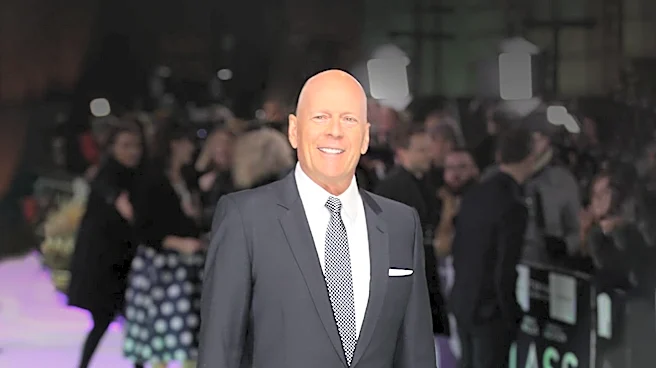
After being turned down by nearly every major star, the studio took a massive risk. They turned to Bruce Willis, an actor known almost exclusively for his charming, comedic role on the TV series Moonlighting. At the time, TV actors were rarely considered capable of carrying big-budget films, and the decision to pay Willis a then-staggering $5 million was seen as a foolish gamble by many in the industry. Willis himself almost had to pass due to his TV commitments, but a sudden production halt on Moonlighting gave him the window he needed to film the movie. His casting fundamentally changed the character from an unstoppable super-cop into a vulnerable, sarcastic everyman—a regular guy in extraordinary circumstances.
The Villain Was an 'Almost-Pass' Too
The hero wasn't the only role that was hard to fill. The part of the impeccably stylish and cunning villain, Hans Gruber, ultimately went to Alan Rickman in his film debut. But Rickman, a celebrated stage actor, was initially unimpressed with the script, dismissing it as just another action movie. Two days after arriving in Los Angeles for the first time, he was offered the part and nearly turned it down. He was eventually won over by the script's intelligence and its surprisingly progressive portrayal of its Black characters. Rickman even contributed to his character's iconic presentation, suggesting Gruber wear a suit instead of terrorist gear and pretend to be a hostage in his first meeting with McClane.