







Woody Is No Longer with the Gang
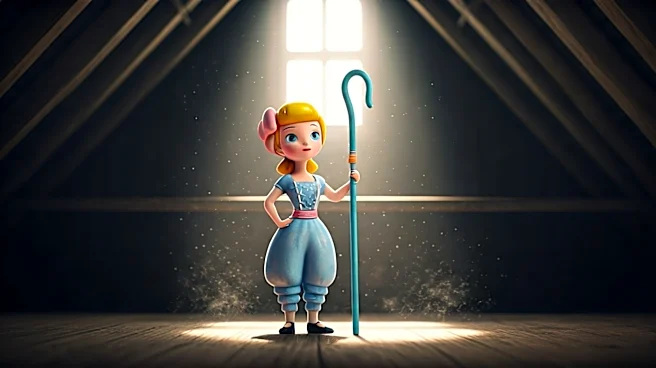
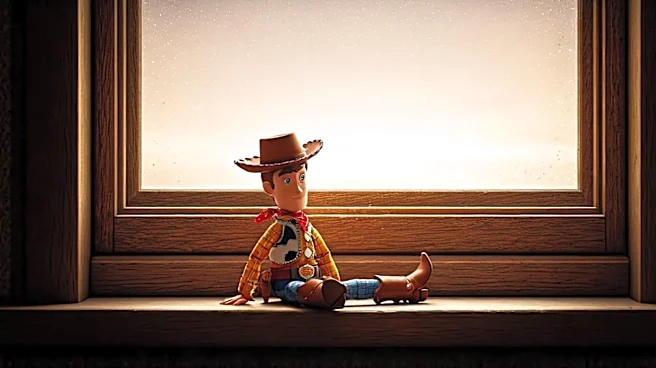
Let’s get the big one out of the way first. At the end of *Toy Story 4*, Woody makes the shocking decision *not* to return to Bonnie’s room with Buzz, Jessie, and the rest of the toys. After reuniting with a newly independent Bo Peep, he chooses to stay
with her, living a new life as a “lost toy” who helps carnival prizes find new kids. This was a seismic shift. For four movies, Woody’s entire identity was tied to his kid (Andy, then Bonnie) and his role as the leader of his family of toys. His purpose was to be there for a child. By choosing to leave, he fundamentally rejected that purpose for a new one: self-determination and service on his own terms. This matters for *Toy Story 5* because it means the film can't just be another road trip adventure. The central conflict isn't external; it’s the fractured state of the main characters. Any new story has to justify what could possibly bring Woody back into the orbit of the family he chose to leave.
The Emotional Goodbye Between Woody and Buzz
The franchise’s emotional core has always been the friendship between Woody and Buzz Lightyear. Their final exchange on the carousel was arguably the most poignant moment in the series since Andy gave his toys to Bonnie. As Buzz watches Woody join Bo, he says, “He’s not lost… not anymore.” It’s a moment of profound understanding and acceptance. Woody isn't missing; he has found his new place. This wasn't a temporary “see you later.” It was a definitive goodbye. For *Toy Story 5* to work, it must honor the weight of this moment. A simple reunion would cheapen the emotional gut-punch of *Toy Story 4*’s ending. The writers will need a compelling, high-stakes reason to potentially reunite them. Is one of them in a level of danger the other can’t ignore? Or does the story explore how their lives have diverged and whether that bond can truly survive such distance and a fundamental change in worldview?
Jessie Is the New Sheriff in Town
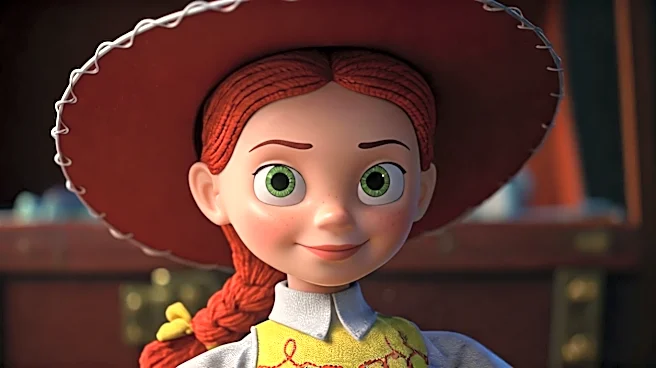
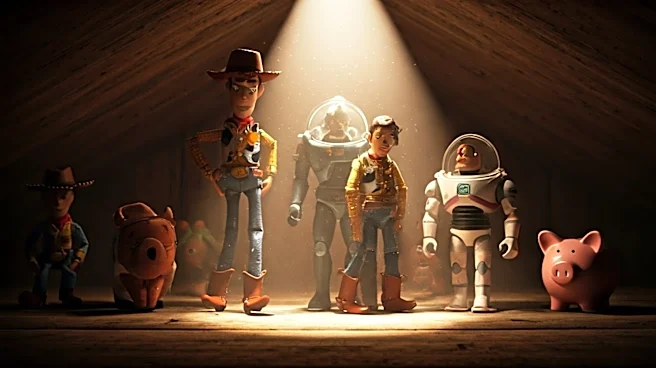
With Woody gone, the toys in Bonnie’s room need a leader. The film subtly hands the reins to Jessie. As the RV drives away, Bonnie’s dad mentions she made a new friend at school, and Jessie confidently says, “I’ve got it,” ready to welcome the newcomer. Buzz, once the co-leader, now supports her. This matters because it establishes a new dynamic for the core group. They are no longer Woody's gang; they are Jessie's. *Toy Story 5* has a whole new world to explore right there in Bonnie’s closet. How does Jessie’s leadership style differ from Woody’s? Is she more pragmatic? Does the group operate differently without its long-time moral compass? A potential plotline could see the original toys facing a crisis that Jessie can't solve alone, providing a powerful and organic reason to seek out their old friend.
Forky and the Definition of a Toy
While the main plot focused on Woody’s existential crisis, the subplot with Forky—a spork-turned-toy suffering from an identity crisis—was more than just comic relief. Forky’s journey from believing he is “trash” to accepting he is a beloved toy expands the very definition of what a toy can be. He wasn't manufactured; he was created out of love and imagination. This theme of purpose and identity is now central to the franchise. This matters for *Toy Story 5* because it opens the door for more unconventional characters and deeper philosophical questions. The film could introduce other “found object” toys or explore what happens when a toy's purpose changes or becomes obsolete. Forky's presence ensures that the franchise isn't just about nostalgia; it’s actively questioning its own rules.