







Spot the Main Narrative
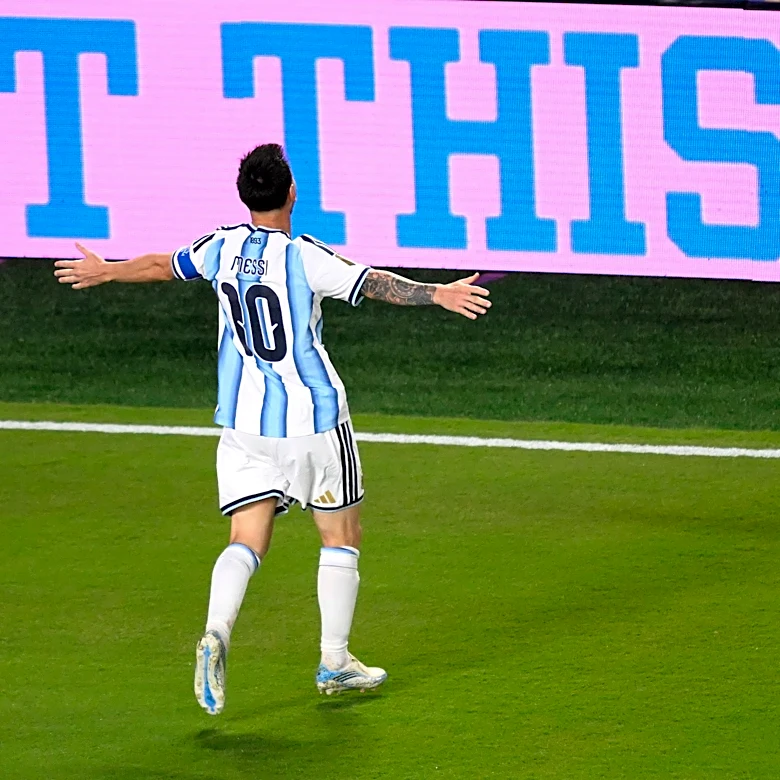
Every final is a story. Your first job is to figure out which one you’re watching. Is it the Aging Legend’s Last Ride (think Lionel Messi in his last World Cup)? Is it the Plucky Underdog vs. the Evil Empire (a small nation against a historical powerhouse
like Germany or Brazil)? Or is it a grudge match between Bitter Rivals? The commentators will drop clues in the first five minutes. Identifying the main plot—Redemption, Dynasty, or David vs. Goliath—is your key to understanding the emotional stakes. Everything that happens on the field will be framed by this narrative.
The Three Players Who Aren't the Star
Don’t just watch the one guy who scores all the goals. The game is usually decided by three other archetypes. First, find the “No. 6” or the Defensive Midfielder. He’s the enforcer, the guy whose job is to break up the other team’s attacks before they start. Think of him as the middle linebacker. Second, spot the Creative Playmaker or the “No. 10.” He might not score, but he’s the one threading impossible passes and making everything happen, like a point guard orchestrating the offense. Finally, look for the Wingers—the speed demons flying down the sidelines. They are the pressure-release valves, stretching the defense and creating chaos. The battle between the winger and the opposing fullback is often where games are won and lost.
The Two Tactical Setups to Know
Soccer tactics can feel like chess, but you only need to recognize two basic philosophies. Is a team playing a possession-based game or are they built to counter-attack? The possession team will make lots of short, safe passes, patiently waiting for an opening. They want to hog the ball and starve the opponent. The counter-attacking team will look almost passive, letting the other side have the ball. They defend in a tight, low block and then—the second they win it back—explode forward with blistering speed, trying to score before the defense can reset. Figuring out which team is which tells you what their definition of “success” is on any given play.
Offside, Explained in 15 Seconds
Forget the complicated diagrams. Here’s the simple version: an attacking player cannot be behind the last defender when the ball is kicked forward to them. That’s it. The rule exists to prevent players from just camping out by the opponent's goal. When you see a flag go up and a great goal is disallowed, it’s usually because the scorer started their run a split-second too early. The defenders, meanwhile, will often try to step up in a coordinated line right before a pass is made, hoping to trick the attacker into an offside position. This is called the “offside trap.”
Decoding the Drama: Late-Game Lingo
When the clock hits 90:00, the game isn’t necessarily over. The referee adds “stoppage time” (or “injury time”) to make up for time lost to injuries and substitutions. If the score is tied after that, we go to “extra time”—two frantic 15-minute periods. There’s no sudden death; they play the full 30 minutes. If it’s *still* tied, we get the ultimate drama: the penalty shootout. It's a series of one-on-one shots between a player and the goalkeeper from 12 yards out. It’s a brutal, nerve-shredding way to decide a championship, and it’s considered a pure test of psychological strength.