
Immersion Creates a World Apart
A standard concert is a few hours long. You go in, you see the show, you go home. A festival, however, is a multi-day commitment that yanks you completely out of your routine. For a weekend, you live in a temporary, self-contained universe with its own
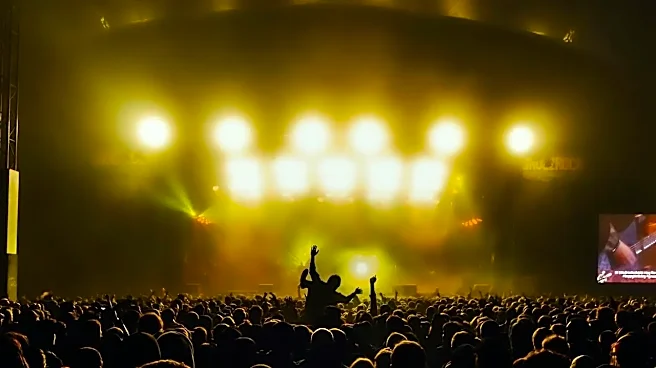
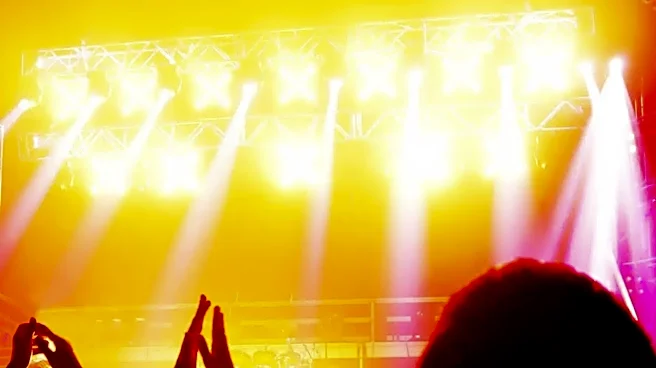
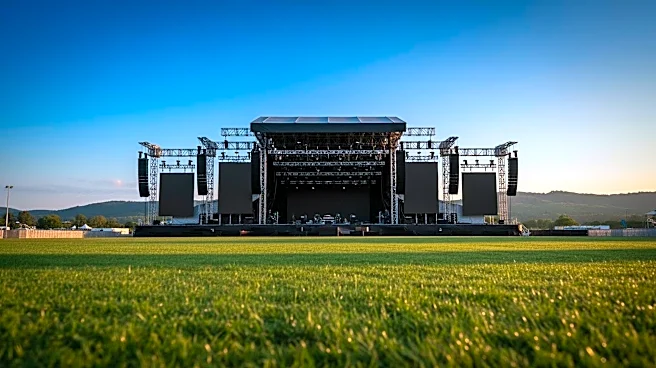
rules, culture, and schedule. Psychologists refer to this as an immersive experience. Your brain isn't just processing a single event; it's navigating a new environment. This total immersion engages multiple senses at once—the sight of elaborate stages, the feel of the sun or rain, the sounds of distant basslines, even the distinct smell of festival food. This multisensory engagement causes different parts of your brain, like the hippocampus (for memory) and amygdala (for emotion), to work together, encoding the experience more deeply. Because the environment is so distinct from everyday life, the memories created there don't get mixed up with your commute or work week. They are filed away in a separate, more vivid mental folder.
The Potent Glue of Shared Experience
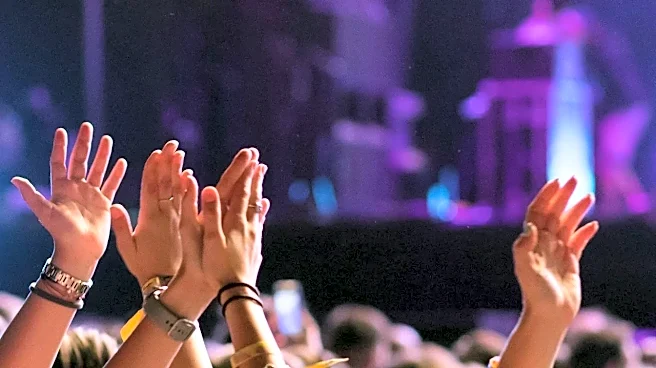
At a concert, you’re part of an audience. At a festival, you’re part of a tribe. You and thousands of others are navigating the same challenges—the long walks, the unpredictable weather, the quest for a clean restroom—and sharing the same moments of collective joy. This shared experience is a powerful social glue. Research shows that sharing intense emotional events with others amplifies those emotions and reinforces social bonds. When you and your friends (or even friendly strangers) sing along to a song in unison, your brains can actually synchronize, blurring the lines between 'self' and 'group' and creating a profound sense of connection. This feeling, what sociologists call "collective effervescence," makes the moment feel significant. So you don't just remember the music; you remember the feeling of belonging, which gives the memory an emotional weight that a solo experience lacks.
A Rollercoaster of Emotional Peaks
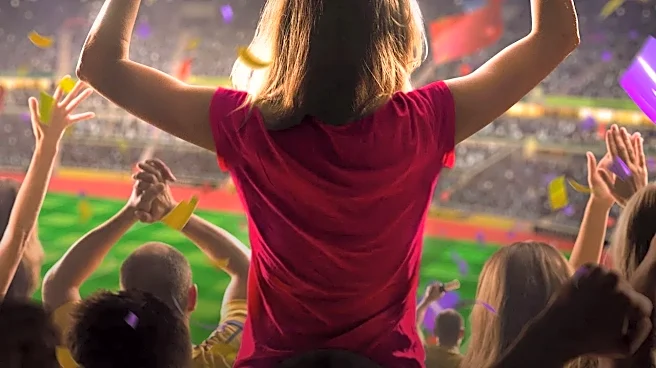
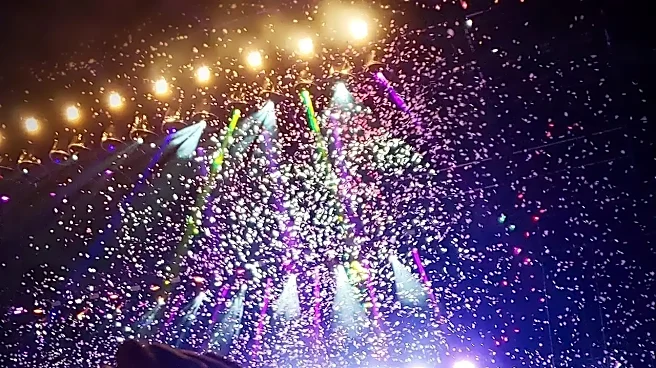
Our brains are biased when it comes to memory. According to the "peak-end rule," we don't remember an event as an average of every moment. Instead, we disproportionately recall the most emotionally intense moments (the peaks) and how the event concluded. A single concert might have one or two peaks—the headliner's encore, maybe. A three-day festival, by contrast, is a relentless series of peaks. There’s the thrill of discovering a new band on a side stage, the beauty of a sunset during a favorite artist's set, the chaotic joy of a spontaneous dance party, and the grand finale of the closing headliner. Because festivals are packed with these high-emotion moments, our memory latches onto them, creating a highlight reel that feels more consistently amazing in retrospect than it might have felt moment-to-moment. The sheer volume of these peaks gives festival memories a density and power that a shorter, more uniform event can't match.
Novelty, Dopamine, and Discovery
Unlike a typical concert where the lineup is predictable, festivals are built for discovery. You wander from stage to stage, stumble upon art installations, and try food you've never had before. This constant novelty is like rocket fuel for your brain's memory systems. New and exciting experiences trigger a release of dopamine, a neurotransmitter associated with pleasure and reward. This chemical reaction essentially tells your brain, "Pay attention! This is important and feels good." The act of navigating the festival grounds and actively choosing your own adventure also strengthens memory formation. This element of exploration and surprise disrupts the predictable “scripts” our brains usually run on, making the experiences feel more significant and worthy of being stored in long-term memory. The memory isn't just of seeing a band; it's of the journey you took to find them.