




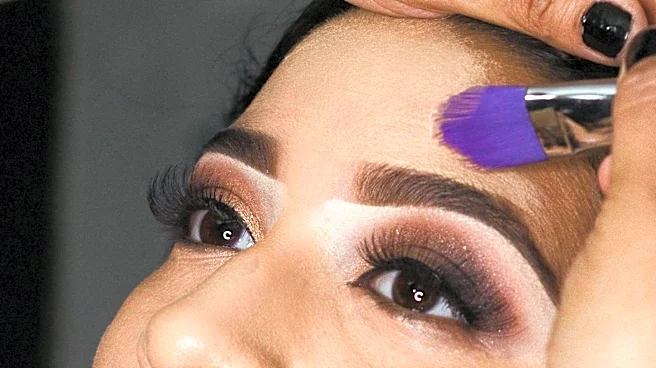

Myth: You Should Apply It All Over Your Face
The most common mistake is treating a mattifying primer like a moisturizer. Slathering it everywhere can actually backfire, leading to dryness in certain areas and causing your foundation to pill or look patchy. Mattifying primers are treatment products,
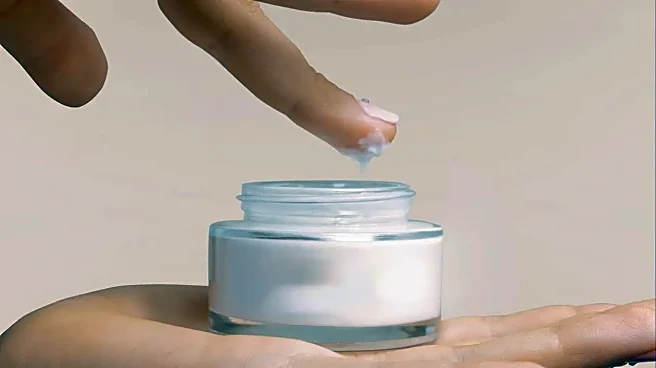
not one-size-fits-all base coats. The reality is that you should apply it strategically. Use a small, pea-sized amount and focus only on the areas that produce excess oil, which for most people is the T-zone (forehead, nose, and chin). By targeting the shine-prone spots, you control oil where you need it without dehydrating the rest of your face.
Myth: It Can Replace Your Moisturizer
This is a cardinal sin of makeup application. Many people with oily skin skip moisturizer, fearing it will make them greasier, and hope a mattifying primer will suffice. In truth, primer is a makeup step, not a skincare step. Skin that is dehydrated actually produces more oil to compensate, making your shine problem worse. Always start your routine by cleansing and then applying a lightweight, oil-free moisturizer. Let it fully absorb for a few minutes before even thinking about primer. A hydrated and balanced canvas is the true secret to controlling oil and achieving a smooth finish.
Myth: You Can Apply Foundation Immediately After
Patience is a virtue, especially in makeup. Rushing to apply foundation right after your primer is a recipe for a streaky, separated mess. The primer needs time to set and form a seamless film over your skin. This barrier is what keeps oil from breaking through and gives your foundation something to grip onto. Makeup artists agree you should wait at least 60 seconds after applying primer. Use this time to wash your hands, pick out your lipstick, or do a quick scroll. Letting it dry properly ensures it can do its job, preventing your foundation from mixing with the primer instead of gliding smoothly over it.
Myth: Any Mattifying Primer Will Do
Not all primers are created equal, and formula compatibility is key. The biggest rule pros follow is to match the base of your primer to the base of your foundation. Most products are either water-based or silicone-based. You can check the ingredient list: if you see words ending in “-cone” or “-siloxane” near the top, it’s likely silicone-based. If water (aqua) is listed first without those silicones high up, it's water-based. Mixing a silicone primer with a water-based foundation (or vice-versa) can cause the products to repel each other, leading to pilling and separation on your skin. Matching them ensures they work together for a smooth, long-lasting look.
Myth: It’s Only for Super Oily Skin
While mattifying primers are a holy grail for oily complexions, they’re surprisingly versatile. People with combination skin can benefit immensely from targeted application on their T-zone while using a more hydrating primer elsewhere. Even those with normal skin who find they get a little shiny during the day can use it to keep their makeup looking fresh. It’s also fantastic for blurring the appearance of large pores, a concern that isn't exclusive to oily skin. The trick is to see it as a targeted solution for shine and texture, not just a product for one specific skin type.