






The Star of the Show: The DCP
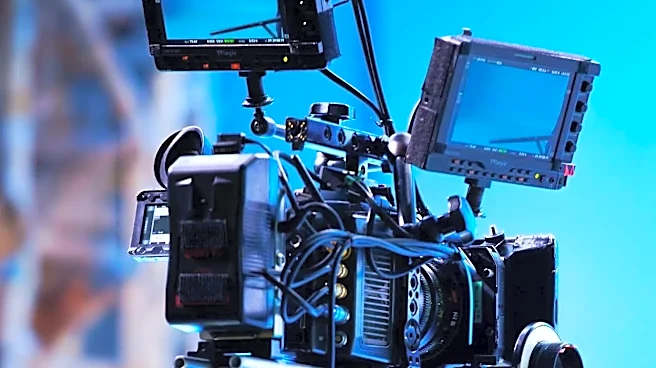
Forget your MP4s and QuickTime files. In the world of theatrical exhibition, the Digital Cinema Package—or DCP—is king. Think of it not as a single video file, but as a specialized, high-security digital briefcase. Inside this folder is everything the projector
needs to show the movie exactly as the director intended: image files, audio files, and subtitle files, all packaged separately. The image is typically encoded frame-by-frame in a format called JPEG-2000, which provides lossless quality that can scale up to 4K resolution. The audio and video are wrapped into distinct files, allowing for incredible flexibility, like adding different language tracks later. This whole package can be hundreds of gigabytes and is often encrypted. Theaters are sent a Key Delivery Message (KDM), a special digital key that unlocks the film for a specific server for a specific time window, preventing piracy and unauthorized screenings. It’s the industry standard for a reason: it's secure, incredibly high-quality, and the closest digital format to a traditional film print.
The Supporting Cast: Deliverables
While the DCP is the main event, a festival needs a mountain of other materials, collectively known as "deliverables." This is the less glamorous, but critically important, list of assets required for programming, marketing, and screening. The list can be exhaustive. Festivals typically require multiple high-resolution stills from the film and a headshot of the director for their catalog and press outreach. A professionally designed poster (or "key art") is a must, often in various sizes for both print and web. Then there’s the press kit, which includes a synopsis, production notes, and biographies of the key cast and crew. And don't forget the trailer. Beyond marketing, technical deliverables are also required. This often includes a dialogue list with timecodes for creating foreign subtitles and closed-caption files for accessibility. For a festival like Venice, filmmakers must provide versions with Italian subtitles for non-Italian films. Failure to provide any of these items on time and to the correct specification can cause major headaches.
The Gauntlet: The Technical Check
Once the DCP arrives at the festival, often on a specially formatted hard drive, it faces its final test: the technical check. This is a nerve-wracking screening where festival technicians, not a paying audience, watch the film specifically to find errors. They aren’t judging the story; they're looking for technical gremlins that can ruin a premiere. They check for image quality issues like compression artifacts or incorrect color space, which might make the film look washed out or overly saturated. They ensure the audio is perfectly synced and that the channels are mapped correctly—you don't want dialogue coming out of the rear surround speaker. They also verify that any subtitles or captions appear correctly and are timed properly. This is where DIY solutions can become a nightmare. Many a filmmaker has tried to save money by creating their own DCP using free software, only to have it fail the tech check. A single incorrectly formatted drive or a corrupted file can render the film unplayable, leading to a panicked scramble for a backup, which is often a lower-quality format like a Blu-ray.
Why It All Matters
This painstaking process is all in service of one goal: a seamless screening. When the lights go down in the Sala Grande at Venice, the audience expects perfection. They are there to be transported by a story, not distracted by a stuttering frame rate, out-of-sync audio, or missing subtitles. Every single technical detail, from the creation of the DCP months in advance to the final tech check hours before the show, is a crucial step in protecting the artistic integrity of the film. The festival’s reputation rests on providing a flawless experience, and for the filmmaker, a technical glitch at a major premiere can be devastating. It’s a high-wire act performed by post-production supervisors and festival technicians who ensure that the only drama is the one happening on screen.