





1. The Fit of the Shoulder
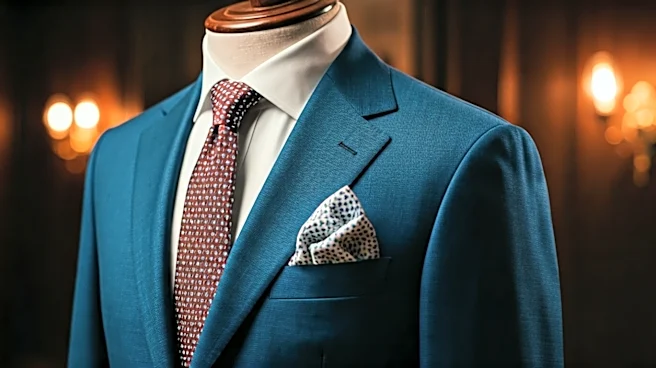
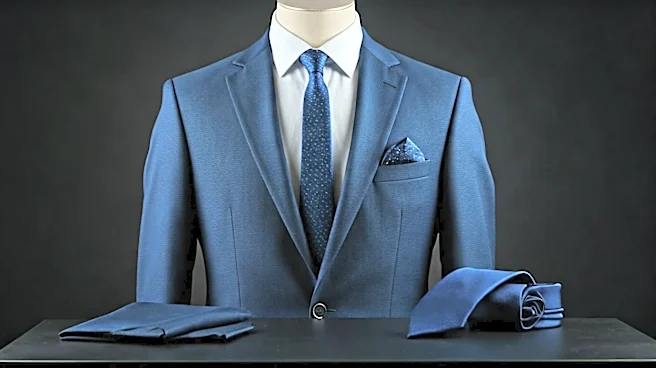
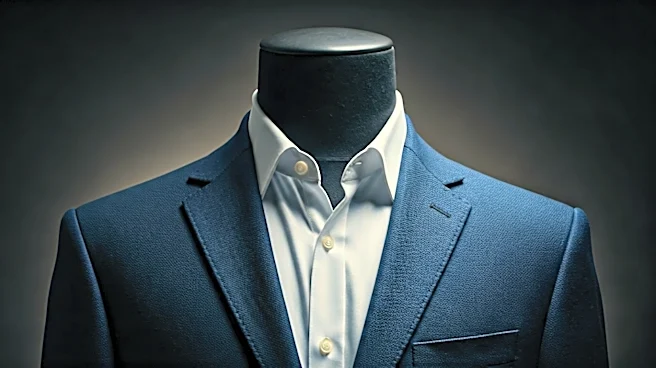
Forget everything else. If the jacket shoulder doesn't fit, the suit is a failure. A perfect shoulder seam should sit right where your shoulder ends. Too wide, and you look like you're playing dress-up in your dad's closet. Too narrow, and the fabric
pulls, making you look squeezed. A clean, natural shoulder line is the foundation of a silhouette that projects confidence, not insecurity.
2. The Lapel Roll
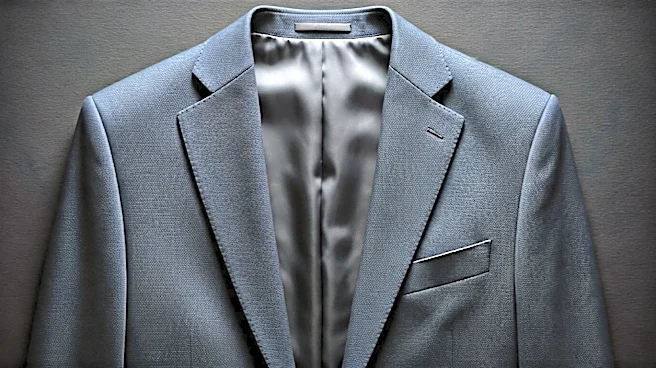
Look closely at the lapel, the folded fabric on the front of the jacket. On a cheap, mass-produced suit, it’s pressed flat and lifeless. On a quality garment, it has a gentle, three-dimensional roll that curves from the fold to the edge. This small detail is a hallmark of better construction and hand-tailoring, giving the jacket depth and character that a steam press can't replicate.
3. The Personalized Lining
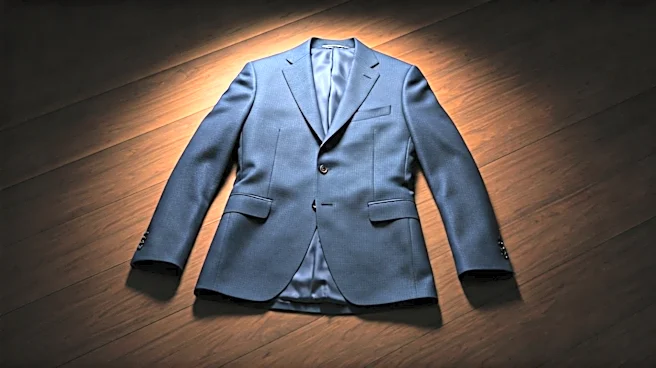
This is where the magic happens on draft night. While the outside of the suit says “I’m a professional,” the inside tells a personal story. We’ve seen players line their jackets with photos of their grandparents, maps of their hometowns, or symbols of their college journey. It’s a hidden tribute that says more about who they are and who they’re playing for than any logo ever could.
4. Working Sleeve Buttons
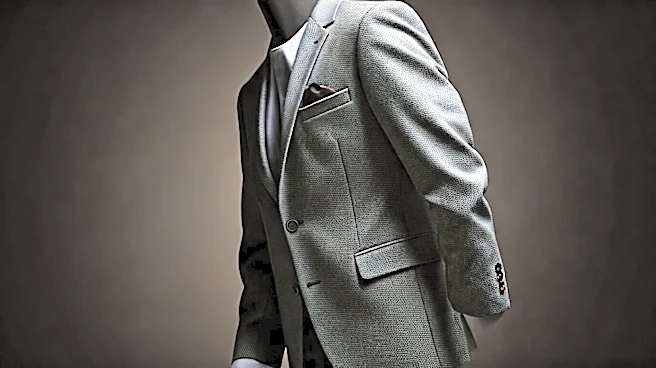
Also known as “surgeon's cuffs,” this detail harks back to a time when doctors needed to roll up their sleeves. On most off-the-rack suits, the cuff buttons are purely decorative. On a bespoke or high-end suit, they’re functional. Leaving the last button undone is a subtle flex, a quiet nod to those in the know that your suit was made for you, not just sold to you.
5. A Perfect Tie Dimple
A tie without a dimple—that small, deliberate fold just below the knot—is like a sentence without punctuation. It just feels unfinished. Creating that perfect dimple shows you didn't just throw the tie on; you took a moment to get it right. It’s a sign of intention and a mark of a man who pays attention to the small stuff, which is exactly who you want as your new franchise player.
6. The Right Amount of Shirt Cuff
The rule is simple but so often ignored: about a quarter- to a half-inch of shirt cuff should be visible beyond the jacket sleeve. This small band of fabric frames the suit, elongates the arms, and creates a clean, finished look. It shows a command of proportion and an understanding that every element of an outfit works together.
7. The Trouser Break
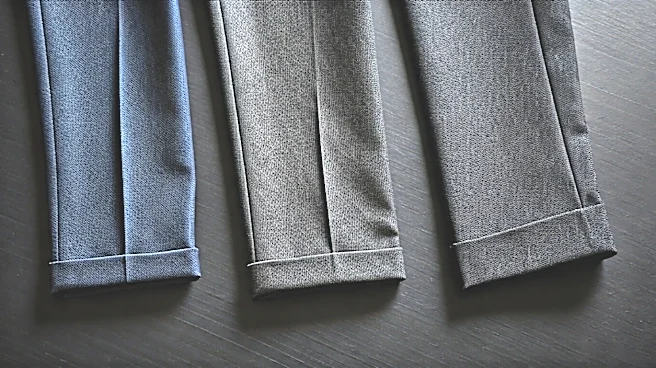
The “break” is the way a trouser leg rests on the shoe. Puddles of fabric bunched up around the ankles look sloppy and shorten the leg line. A modern, tailored look often features a slight break or no break at all, where the trouser hem just kisses the top of the shoe. This creates a sharp, uninterrupted line from hip to heel, making the wearer look taller and leaner.
8. A Thoughtful Watch Choice
Yes, many draftees will get a flashy, diamond-encrusted watch. But the truly stylish choice often goes the other way. Is it a vintage piece passed down from his father? A classic, understated dress watch on a leather strap? The watch tells a story about taste. One says “I just got money,” while the other says “I have a sense of history and permanence.”
9. Socks with a Story
The ankles are a prime piece of real estate for personal expression. Instead of plain black, a player might choose socks with his college logo, a pattern that represents his family, or simply a bold color that complements his tie. It’s a small, often hidden detail that adds a pop of personality and fun to an otherwise serious uniform.
10. Immaculate Shoes
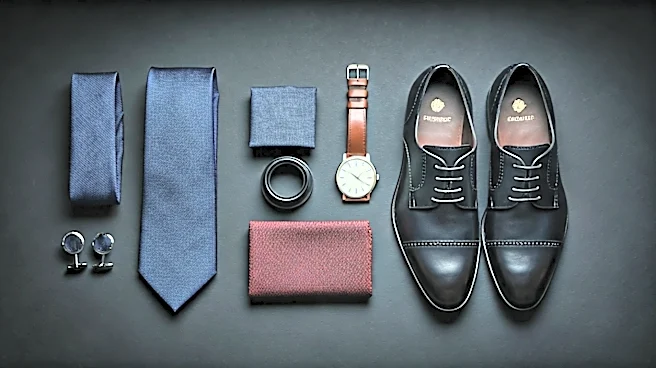
You can judge a man by his shoes, and on draft night, the world is judging. They don’t have to be thousand-dollar Italian leather, but they must be clean, polished, and appropriate for the suit. Scuffed, worn-out shoes can undermine a five-figure outfit. A pair of classic, well-maintained dress shoes, however, grounds the entire look in maturity and respect for the occasion.