


The Enduring Blueprint
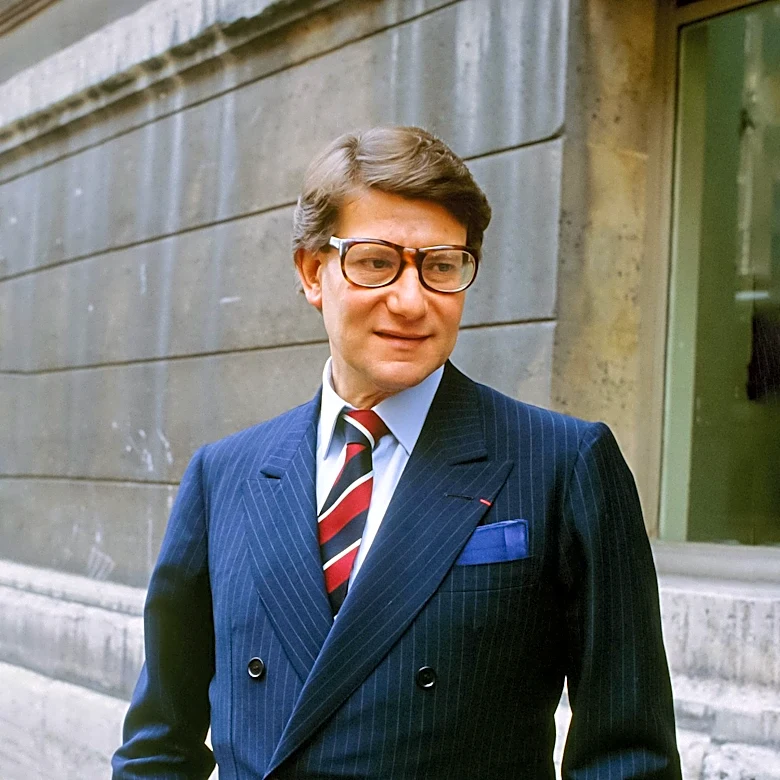
At its core, the blazer is a study in structure. Its traditional tailoring—the lapels, the shoulders, the clean lines—provides a familiar canvas that designers return to season after season. This classic foundation gives it an inherent sense of authority
and polish. But far from being rigid, this blueprint is what makes it so ripe for reinterpretation. During the most recent New York Fashion Week, collections showed a renewed interest in serious, sharp suiting. Designers at labels like Michael Kors and the new Calvin Klein presented a more intellectual, buttoned-up approach to tailoring that felt both powerful and commercially savvy. This return to form isn't about looking corporate; it’s about using a well-understood language to communicate confidence. A classic blazer provides a starting point that both the designer and the wearer immediately understand, making any deviations from the norm that much more impactful.
The Deconstructed Canvas
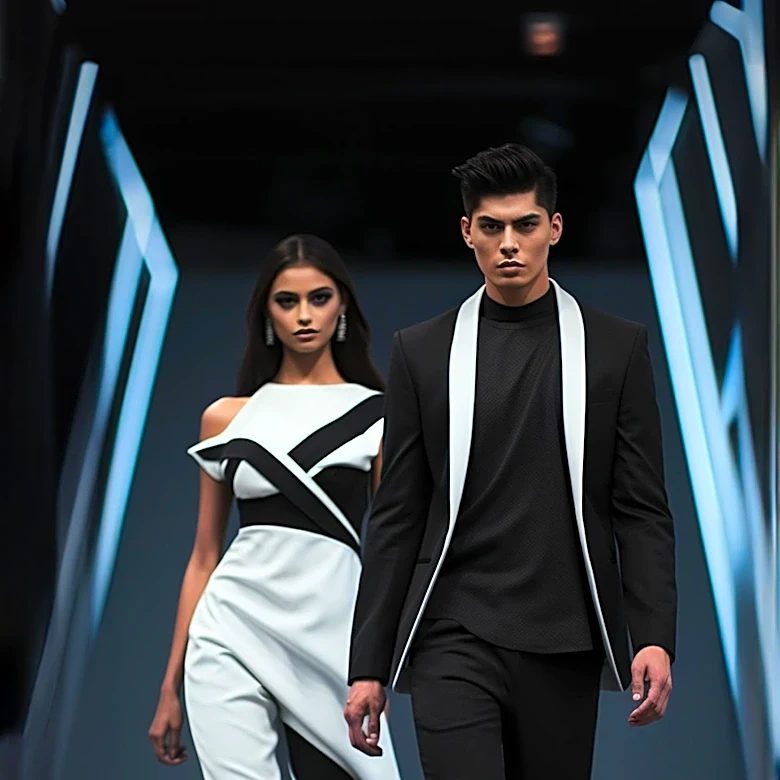
While some designers reinforced the blazer’s classicism, many others used NYFW to take it apart and put it back together in new and unexpected ways. The blazer has become a vehicle for exploring asymmetry, proportion, and construction itself. On the runways for the Spring/Summer 2027 season, “strong tailoring” was a dominant theme, but it often came with a twist. At Proenza Schouler, under the new creative direction of Rachel Scott, wearable minimalism was evolved with subtle plays on form. We saw blazers with sculptural denim elements, transforming the familiar jacket into a more architectural piece. Some designers are even removing the lapel entirely, creating funnel-neck or wrap-front blazers that feel modern and sharp. This deconstruction shows the blazer is not just a finished garment but a set of ideas to be played with—a lapel can be exaggerated, a waist can be cinched with a belt, or the entire silhouette can be oversized to create a sense of drama through volume.
A Tool for Redefining Formality
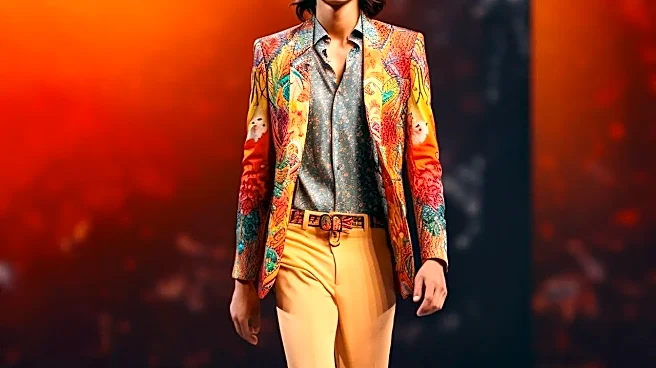
One of the blazer's greatest strengths is its ability to move between worlds. It’s a chameleon that can be dressed up or down, making it indispensable for both designers and stylists. The recent NYFW runways highlighted this versatility. We saw oversized blazers that look like you've borrowed them from the boys, creating a relaxed yet punchy take on office-wear at shows like Tory Burch and Tommy Hilfiger. This style was paired with everything from matching trousers to casual denim, proving its adaptability. Ralph Lauren showcased boho-baroque blazers with floral patterns, instantly making the formal feel more romantic and approachable. Elsewhere, velvet blazers were shown to elevate simple jeans into a polished, interesting outfit. This ability to bridge the gap between formal and casual, masculine and feminine, is what keeps the blazer commercially relevant and creatively exciting. It’s a single piece that can anchor a dozen different aesthetics.
The Power of the Unexpected
Beyond deconstruction, designers are using the blazer to introduce unexpected materials and styling choices that challenge its traditional identity. At Coach, a sparkly party hat was paired with a blazer, blending celebration with structure. At other shows, brooches made a major comeback, with designers like Sergio Hudson and Ralph Lauren pinning large, decorative flowers and art-deco pieces onto the lapels of monochrome suits, adding a pop of personality to an otherwise classic look. Even texture is being rethought, with leather and tweed being styled in fresh, contemporary ways to avoid looking dated. These choices prove that the blazer is more than just a piece of outerwear; it's a framing device. By adding a surprising element—be it a vintage pin, a feather trim, or pairing it with athletic wear—designers and wearers alike can completely change its meaning, telling a new story without reinventing the wheel.