


An Era of Unfiltered Authenticity
Long before the crush of photographers outside show venues became a spectacle in itself, attending a fashion show was a different affair. Vintage photos from London Fashion Week (LFW), which officially began in 1984, capture a moment when style was less
about being seen and more about genuine self-expression. In the pre-internet, pre-influencer age, the attendees were primarily industry insiders: editors, buyers, and the designers' immediate circles. Their outfits weren't calculated for likes or brand deals. Instead, they reflected a raw creativity and a personal connection to the clothes. This was especially true in London, a city whose fashion identity has always been rooted in edgy, art-school experimentation and rebellious subcultures like punk and New Wave, rather than the polished luxury of Paris or Milan. Those early photographs document a time when personal style was a form of participation in a creative scene, not a performance for a global digital audience.
A Masterclass in Attitude and Individuality
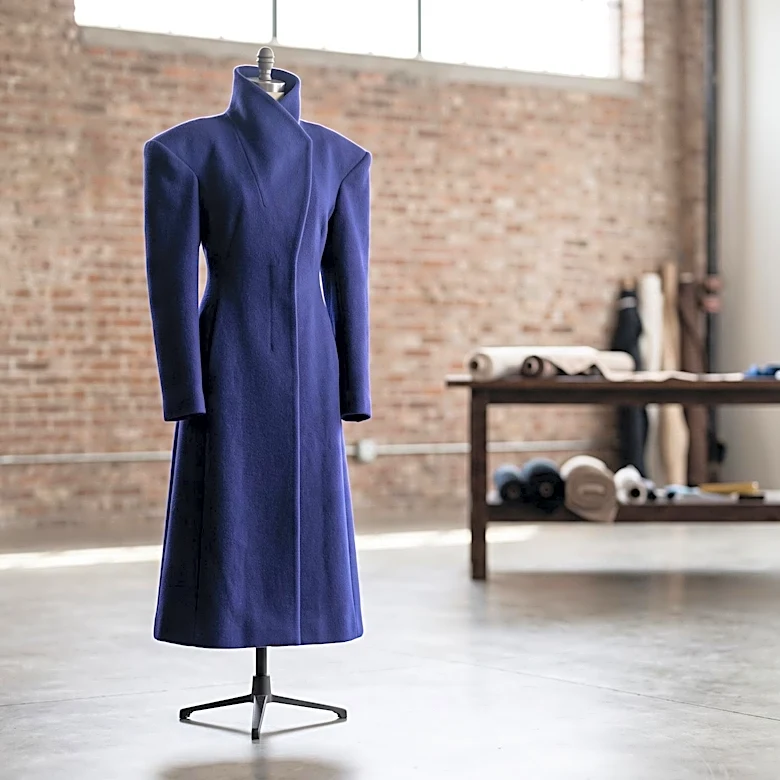
What makes these older images so compelling is that they are portraits of character first, and fashion second. The styling wasn't about showcasing a head-to-toe look from a single brand; it was a chaotic, brilliant mix of high and low, vintage and new, DIY and designer. London's scene, shaped by boundary-pushing designers like Vivienne Westwood and John Galliano, celebrated this kind of sartorial anarchy. Photography from the 80s and 90s showcases a masterclass in this ethos. You see oversized, crumpled cottons, power-dressing silhouettes with massive shoulder pads, and the deconstructed, anti-fashion looks that defined a generation. The styling feels more intuitive and less prescribed. It’s a reminder that the most interesting looks often come from a place of personal storytelling, where a thrifted jacket is worn with the same confidence as a piece of haute couture.
The Power Before 'Peacocking'
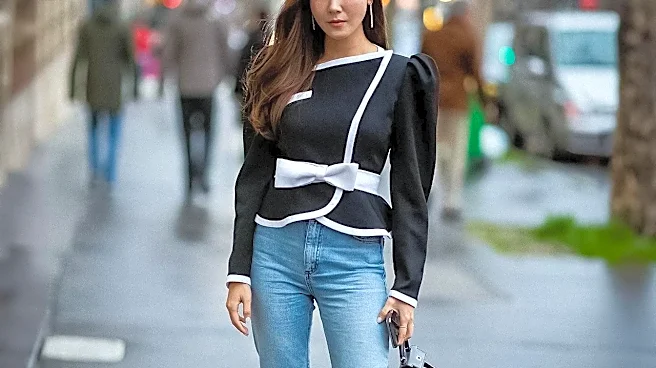
Today, the term "street style" often conjures images of "peacocking"—wearing outrageous outfits specifically to be photographed. It's a game of visibility. But vintage LFW photography captures the opposite: the power of an outfit that isn’t seeking attention but naturally commands it. These images celebrate a different kind of fashion icon, one whose influence came from their unique perspective and creative energy. The focus was on individual expression rather than brand ambassadorship. The goal wasn't to be a human billboard, but to be a part of a cultural conversation. This shift is crucial; the older photos document a community, while much of modern street style photography documents a competition. Looking back reveals that true style isn't about having the loudest or most expensive outfit in the room, but about having a clear, confident point of view.
Redefining What's Aspirational
In the current era, aspirational style is often tied to wealth and access—the latest It-bag, the sold-out sneaker, the exclusive collaboration. Vintage LFW photos offer a different definition. Here, what’s aspirational is creativity itself. The DIY ethos of punk, the eclectic layering, and the bold confidence were things that couldn't be bought. This spirit made London's fashion scene feel more democratic and exciting. It championed the idea that style was a skill and an art form, not just a shopping habit. These photographs serve as a powerful lesson: the most enduring style isn't about what you own, but how you put it together. They encourage us to look beyond trends and logos and to find inspiration in the more personal, unpredictable, and ultimately more interesting world of genuine self-expression.