








More Than Just a Classic
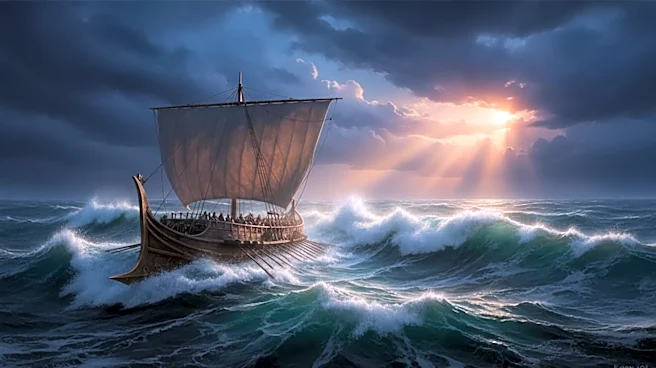
If you only remember Homer’s epic poem from a high school reading list, it’s time for a refresh. This isn’t just a stuffy classic; it’s the original blockbuster template. The story follows Odysseus, the clever king of Ithaca, on his grueling ten-year
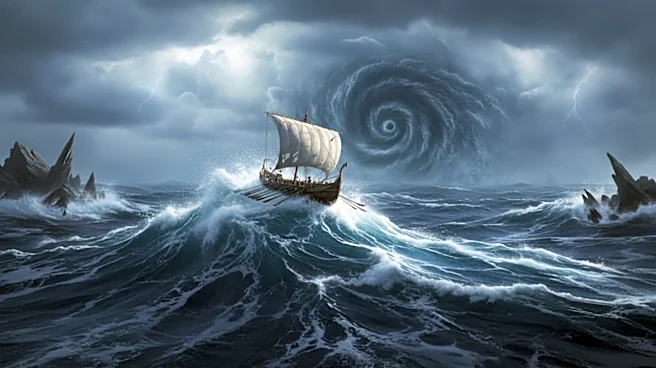
journey home after the Trojan War. It’s a saga packed with everything a modern audience could want: visceral battles, cunning heroes, terrifying monsters like the Cyclops, and powerful gods meddling in human affairs. Odysseus’s journey is one of profound loss and survival, as he navigates a world designed to break him while his wife, Penelope, and son, Telemachus, fend off a horde of entitled suitors trying to seize his kingdom. It's a foundational story of war, homecoming, and what it costs to reclaim your life.
The Nolan Touch on an Ancient Tale
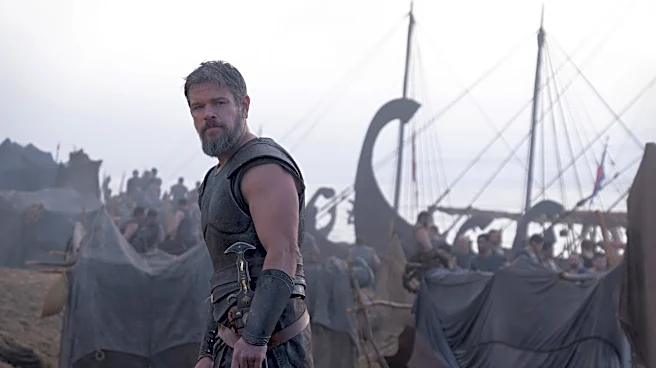
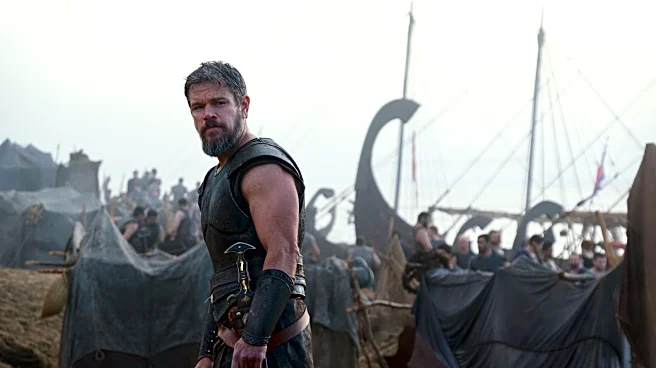
Christopher Nolan doesn’t just adapt stories; he refracts them through his signature obsessions with time, memory, and existential stakes. He reportedly sees The Odyssey as a “middle-aged love story,” focusing on the emotional core of Odysseus and Penelope’s long separation. Expect a psychologically complex hero in Matt Damon's Odysseus, a man burdened not just by mythical creatures but by the trauma of war. Nolan, who also wrote the script, has held onto ideas for this story for over two decades, including a striking image of the Trojan Horse not as a proud gift, but as a half-sunk wreck being salvaged from the sea—a trick within a trick. Given his filmography, it’s safe to assume the film’s sprawling, episodic narrative will be masterfully woven together, perhaps with the non-linear flair seen in films like Memento and Inception.
A Cast of Mythic Proportions
Nolan is known for assembling incredible ensembles, but The Odyssey might be his most impressive yet. Matt Damon, a frequent Nolan collaborator, stars as Odysseus, bringing the gravitas needed for a weary king and brilliant strategist. Anne Hathaway, another Nolan veteran, plays his famously resilient wife, Penelope, who holds down their kingdom for two decades. They’re joined by Tom Holland as their son, Telemachus, on his own coming-of-age journey to find his father. The star power doesn’t stop there. Tenet's Robert Pattinson plays Antinous, the arrogant leader of the suitors, while Zendaya portrays the goddess Athena, Odysseus’s divine protector. The cast is rounded out with heavyweights like Charlize Theron as the enchanting nymph Calypso and Lupita Nyong'o.
An Unprecedented Cinematic Scale
This film isn’t just epic in story but also in its technical ambition. The Odyssey is the first feature film in history to be shot entirely with IMAX 70mm film cameras. For years, Nolan has used these cameras for key sequences, but this marks a new frontier of immersion. What does that mean for you? Unparalleled clarity and a massive, screen-filling aspect ratio that will make every storm-tossed sea, mythical island, and godly intervention feel overwhelmingly real. With a budget of around $250 million and a globe-trotting production that included locations in Sicily and Morocco, Nolan is using every tool at his disposal to create a tangible, visceral world, relying on practical effects over digital ones wherever possible.
A Modern Myth for a Modern Audience
Don’t expect characters speaking in theatrical, antiquated English. Nolan made the conscious choice to have his cast use modern dialogue and natural American accents. His goal, he says, is to make the story feel “earthy and accessible,” throwing the audience into a relatable, if exotic, world. This approach has sparked some online debate among purists, but Nolan seems unfazed, arguing that the pre-release chatter is irrelevant until people see the film. His focus remains on honoring Homer’s text by delivering the strongest, most resonant interpretation possible, aiming to connect with today's viewers on a human level rather than treating the story like a museum piece. It’s a bold choice designed to close the 3,000-year gap between the poem's origins and the audience in the theater.