


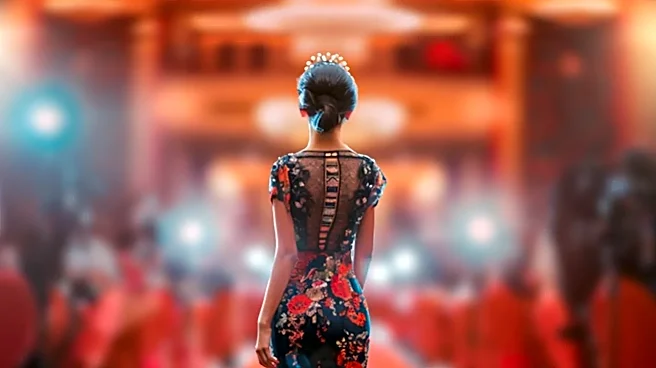


From 'Who Are You Wearing?' to 'What's the Story?'
For decades, the red carpet has operated on a simple currency: newness. The ultimate prize was a fresh-off-the-runway couture look, often created exclusively for the star. Wearing something old was once seen as a quirky, slightly risky novelty. But a significant
shift is underway, moving the goalposts from novelty to provenance. Borrowed from the art world, provenance refers to the documented history of an object—its origin, its creator, its story. In fashion, it transforms a dress from a mere garment into a piece of history. It’s the difference between wearing a pretty vintage piece and wearing the specific Alexander McQueen gown from his Fall 2005 collection, as Simone Ashley did at the Cannes Film Festival earlier this year. One is a retro aesthetic; the other is a wearable artifact.
The 2026 Festival Circuit's Power Play
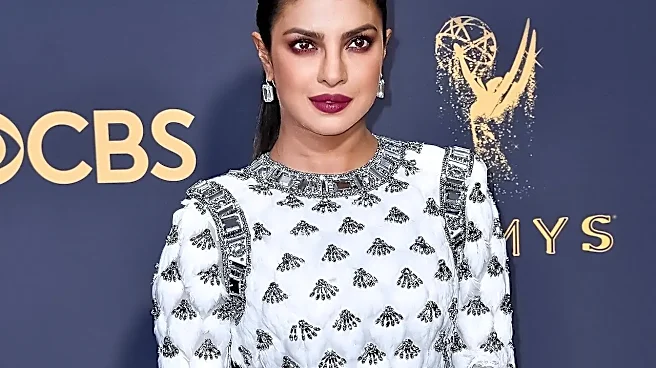
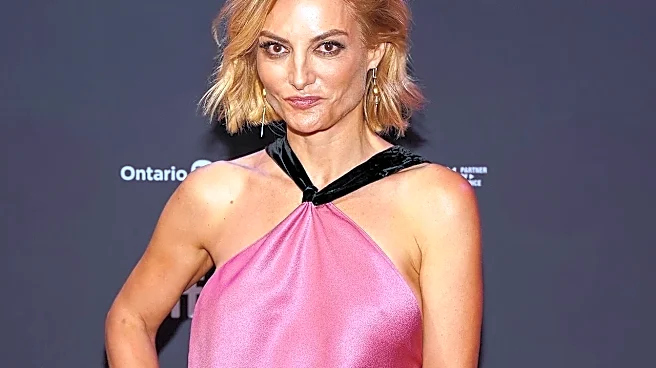
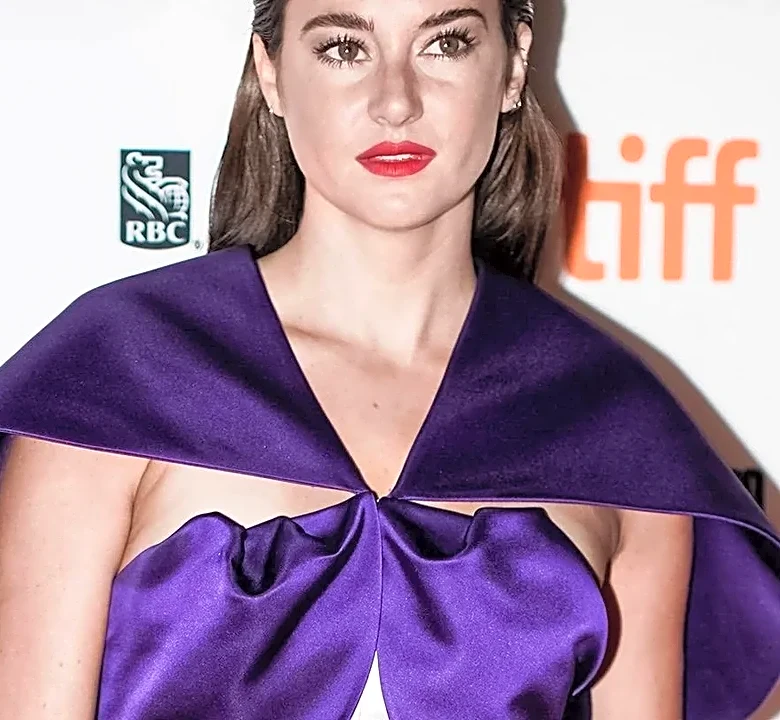
While TIFF's red carpet is currently filled with stars in stunning contemporary looks from houses like Dior and Louis Vuitton, the defining trend of the 2026 festival season has been the rise of archival fashion. At the Venice Film Festival just weeks ago, Kendall Jenner appeared in a shimmering Giorgio Armani gown from the Fall/Winter 1995 collection. The choice wasn't just about looking glamorous; it was about engaging with a designer's legacy. Similarly, Zendaya and her stylist Law Roach have turned archival pulls into an art form, using a vintage John Galliano piece to build a narrative during a recent film promotion. This isn't just recycling; it's a deliberate act of storytelling, connecting the current moment to a specific point in fashion history.
More Than Just a Pretty Old Dress
So, why is this happening now? The reasons are layered. Firstly, there's the element of individuality. In a sea of similar silhouettes, an archival piece guarantees a one-of-a-kind moment. Secondly, it’s a quiet nod to sustainability, a theme of growing importance to both stars and audiences. But the most compelling reason is the story. A vintage gown comes with its own narrative. It might have been worn by another icon, debuted in a legendary runway show, or represent a pivotal moment for a designer. By choosing that piece, a celebrity co-opts its history and adds a new chapter. It signals a deeper appreciation for the craft, suggesting the wearer isn't just a model for a new dress but a curator of fashion history.
The Stylist as Fashion Historian
This trend also recasts the role of the celebrity stylist, shifting their job from mere tastemaker to that of a fashion historian. It takes significant knowledge and deep connections to source a museum-quality piece from a brand’s archives or a high-end vintage dealer. Stylists are now digging through archives to find not just a dress, but the right dress—one that adds a layer of meaning to a star’s appearance. The choice of a verifiable, historic garment adds what the luxury market calls "provenance value." It’s an emotional and financial premium that comes from a documented origin, maker, and ownership history, turning the red carpet look into a true asset.