


It All Begins With Tension
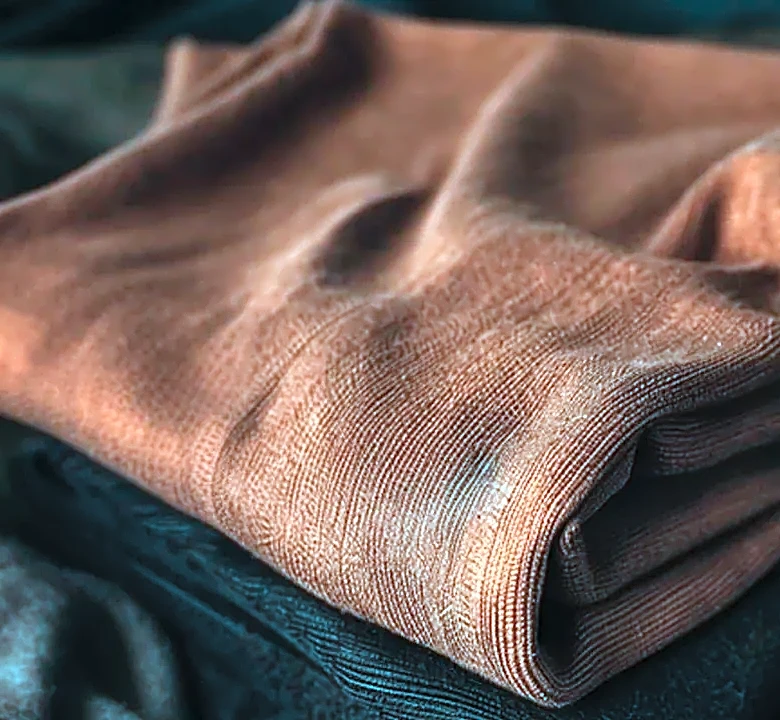
Before a piece of clothing is even a sketch, it starts as fabric. That fabric, whether it's cotton, wool, or a synthetic blend, is created under tension. During spinning, weaving, and knitting, fibers and yarns are stretched. This tension gets locked
into the fabric. Think of it like a tightly wound spring. When that fabric eventually meets water and heat, either in a factory or your home washing machine, the tension is released. The fibers relax and try to return to their original, unstressed state, causing shrinkage. Natural fibers like cotton and wool, which absorb a lot of water, are especially prone to this relaxation shrinkage compared to their synthetic counterparts like polyester.
The Stress of Dyeing and Finishing
The journey from raw fabric to a finished roll of material involves numerous steps, each adding more stress and potential for variation. The dyeing and finishing processes subject the fabric to high heat, water, and chemicals. These treatments can cause the fibers to swell and shift, further affecting the final dimensions. Even processes designed to prevent future shrinkage, like pre-shrinking, aren't perfect. This means that before a single pattern piece is ever cut, the fabric itself already contains a history of stretching and relaxing that influences how it will behave.
The 'Art' of Industrial Washing
The phrase 'garment washing' is key. This doesn't mean a simple rinse; it's a specific manufacturing step that happens after the garment is fully sewn together. Its main purpose is to give clothes, especially denim and casual wear, a softer feel and a desirable worn-in look from day one. There are many types of garment washing, and each affects the fit differently. 'Stone washing' uses pumice stones to physically abrade the fabric for a faded, vintage look. 'Enzyme washing' uses biological enzymes to soften fibers and achieve a similar lived-in feel, often with less environmental impact. Other methods include acid washes and bleach washes, all of which use a combination of chemicals, agitation, and heat to alter the fabric's surface and color. This intense process is the final, and most significant, variable that can cause two identical garments to shrink or stretch to slightly different final dimensions.
Manufacturing Is a Game of Millimeters
Even without the dramatic effects of washing, mass production itself introduces tiny inconsistencies. Fabric is cut in tall stacks, and the layers at the top and bottom may shift by millimeters. Sewing operators work at high speeds, and slight variations in seam allowances can add up. To account for this, manufacturers work with a 'tolerance'—an acceptable range of deviation from the target measurement. For a t-shirt's chest measurement, a tolerance might be plus or minus one centimeter. So, one 'Medium' shirt could legally be up to two centimeters wider than another and still pass quality control. This tolerance, combined with the unpredictable nature of fabric relaxation and garment washing, is why the size on the tag is more of a guideline than a guarantee.