





The Sonic Battlefield of Zilker Park
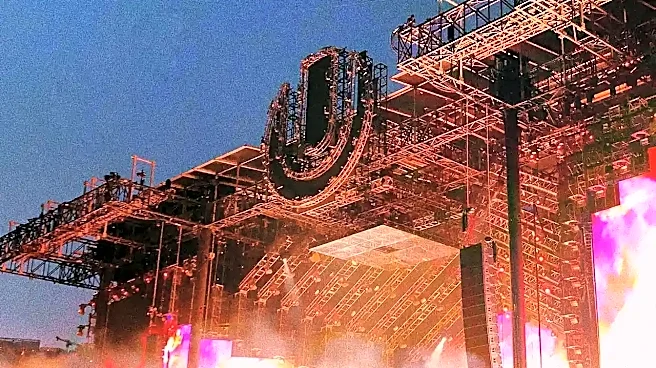
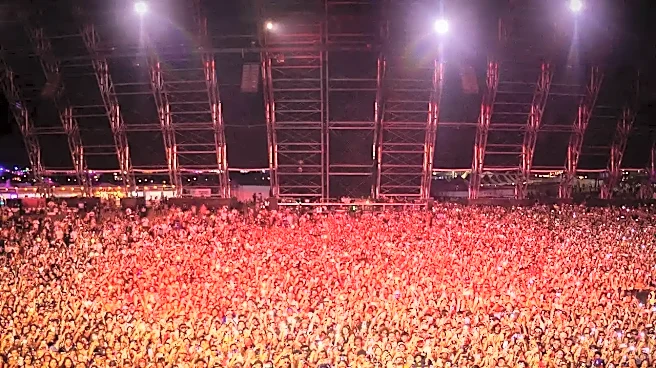
Imagine Austin City Limits as a sonic battlefield. With nine stages packed into Zilker Park, you have over a hundred thousand fans and dozens of artists all competing for air space. The goal for the audio production teams, like the pros from LD Systems
who manage the main stages, is to give every single person a clean, powerful concert experience. The problem? Sound doesn’t like to stay put. When you have a DJ dropping beats on one end of the park and an indie-rock band shredding on the other, their sound waves inevitably collide. This is what engineers call “sound bleed,” and it can turn a magical music moment into a muddy, confusing mess. Without careful management, the sound from one performance can spill over and audibly disrupt another, pulling you out of the moment and creating a disorienting wall of noise instead of distinct, immersive concert experiences.
Why Bass Is the Biggest Bully
So, why is it always the bass you hear from far away, and not the singer’s vocals or the high-hats? It comes down to physics. High-frequency sound waves are short and fragile; they get easily absorbed by the air, trees, and even the crowd itself. Low-frequency sound waves—the bass—are the exact opposite. They are incredibly long and powerful, behaving less like a laser beam and more like a tsunami. These waves can travel for miles, passing through solid objects with ease. Think of it like this: treble is a rock skipped across a pond, creating small, fast ripples that die out quickly. Bass is a cannonball, creating a huge, slow-moving wave that reaches every shore. This is why you can feel the beat in your chest from a distant stage and why controlling that omnidirectional energy is the number one challenge.
The Audio Engineer’s Secret Weapon: Cardioid Subs
How do you tame a tsunami of sound? You can’t build a wall, but you can use physics to fight physics. The secret weapon is a clever setup called a “cardioid subwoofer array.” Standard subwoofers are omnidirectional, meaning they blast bass equally in all directions—forward at the crowd and backward onto the stage and beyond. A cardioid array cancels that backward energy. Engineers do this by pointing one out of every few subwoofers backward and then using digital processors to flip its polarity and add a minuscule delay. In simple terms, the sound wave from the backward-facing sub is engineered to be the exact opposite of the backward wave from the front-facing subs. When these opposite waves meet, they cancel each other out, creating a sonic “dead zone” behind the stage. This focuses all that powerful bass energy forward, directly onto the audience where it belongs, creating a heart-shaped (or cardioid) pattern of sound.
It’s About More Than Just Annoying Noise
Mastering bass isn't just about preventing you from hearing Skrillex during a folk set. It’s fundamental to the entire festival experience. For the artists on stage, that cardioid-created quiet zone is crucial. It stops the low-end rumble from bleeding back into their microphones, which would otherwise make it impossible for the sound engineer to create a clean mix and could cause massive feedback. For the audience, it means the sound is focused, punchy, and clear, delivering the impact the artist intended without being a muddy mess. You get the full force of the drop or the deep groove of the bassline exactly as it was meant to be heard. And for the city of Austin, it means less noise pollution spilling out into the surrounding neighborhoods, keeping the peace with residents who live miles away. It’s an invisible art that ensures the music inside the park is powerful, and the noise outside of it is kept in check.