


The Architect of the World
Think of a showrunner (the head writer and creative leader) as the one who dreams up a new world, and the pilot director as the architect who draws the blueprint. While television is often called a writer's medium, the pilot director is responsible for
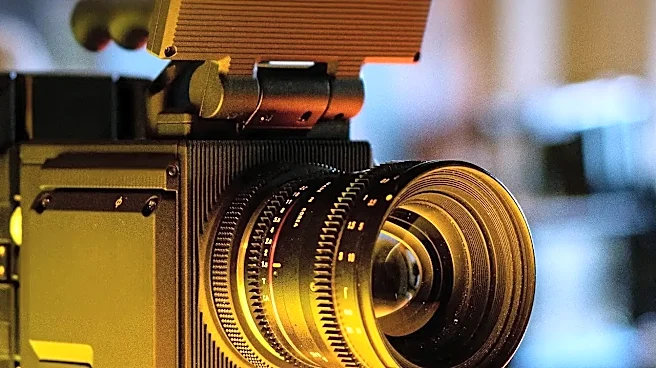
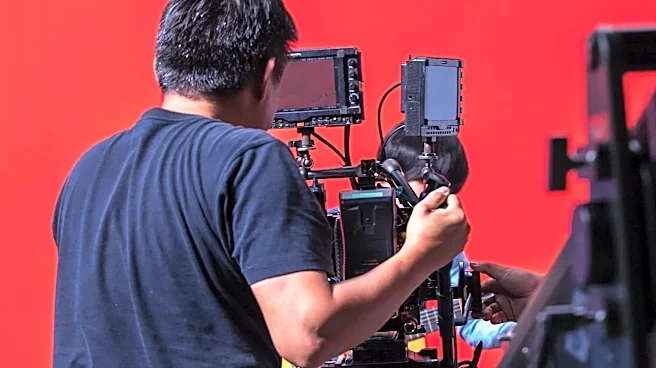
translating the script into a living, breathing visual reality. They make the crucial first decisions about how the show will look and feel. This includes establishing the series' core visual language: the color palette, the style of lighting, the camera lenses used, and the pace of the editing. Is the show gritty and handheld, like a documentary? Or is it glossy and cinematic, with sweeping, elegant shots? That's the pilot director's call, and it creates the visual 'bible' that all subsequent directors are expected to follow for consistency.
Setting the Unspoken Tone
A script can describe a scene as tense or funny, but tone is a fragile thing. It’s the pilot director’s job to find that tone on set with the actors and crew. They work with performers to establish the style of acting—is it naturalistic and subtle, or broad and theatrical? They decide how to stage a scene to maximize its comedic or dramatic impact. Adam McKay, who directed the pilot for HBO's "Succession," noted that in directing a pilot, "you're setting that look for the show." Everything from the rhythm of the dialogue to the choice of music helps create a specific feeling. That feeling, first established in the pilot, becomes the show's signature emotional texture. Subsequent directors are hired less to invent and more to replicate this established tone, ensuring episode eight feels like it belongs in the same universe as episode one.
The Final Word on Casting Chemistry
While casting directors do the heavy lifting of finding potential actors, the pilot director plays a pivotal role in the final selection process. They are in the audition room, testing the chemistry between potential leads and advocating for the actors they believe can best embody the characters as envisioned. Since they are the ones tasked with making the relationships on screen believable from the very first frame, their input is invaluable. They have a strong say in who gets hired, as network executives rely on their judgment to ensure the cast not only looks the part but can also deliver the specific performances the series will require. This makes the pilot director a key shaper of the ensemble that viewers will come to know and love.
The Ghost in the Machine
Perhaps the pilot director's most significant influence is the one that lasts long after they've left the set. Because they create the template, their work is baked into the DNA of the show. Every future director who steps in is, to some extent, mimicking the choices made in that first episode. They study the pilot to understand the established rules of coverage, blocking, and pacing. This is why many pilot directors, like J.J. Abrams for "Lost" or Martin Scorsese for "Boardwalk Empire," are often established filmmakers. Networks bring them in to lend the project a distinct and high-quality launch. Their initial vision is so foundational that in many cases, pilot directors even receive royalties or fees for every subsequent episode that airs, acknowledging that their creative work is being replicated for the life of the series.