



What Is Creative Tension?
In fashion, tension isn’t about stress or conflict. It’s a design principle, a purposeful clash of two opposing ideas in a single garment or look. Think of it as a conversation between opposites. It’s the friction that generates sparks, turning a simple
piece of clothing into a statement. Where other fashion capitals might focus on polished commercialism (Milan) or raw subculture (London), Paris is the intellectual playground where designers use tension to ask questions. Is this formal or casual? Old or new? Masculine or feminine? The answer, in the hands of a master, is a compelling 'both.' This dynamic is what separates mere apparel from capital-F Fashion.
The Clash of Materials
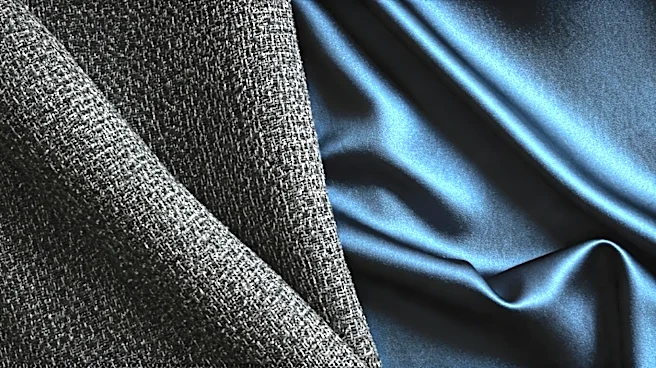
One of the most immediate ways designers create tension is through fabric. Imagine a brutally sharp, tailored blazer cut from delicate, translucent silk. Or a rugged, utilitarian work jacket adorned with opulent embroidery. Designers like Dries Van Noten are masters of this, pairing humble cottons with rich jacquards or rough denim with shimmering brocade. The effect is instantly arresting. The eye and the hand receive conflicting signals: one material suggests toughness and utility, the other fragility and luxury. This juxtaposition forces you to reconsider the purpose and value of the garment. It’s not just a jacket; it’s a study in contrasts, a wearable paradox that feels both grounded and aspirational at the same time.
A War of Silhouettes
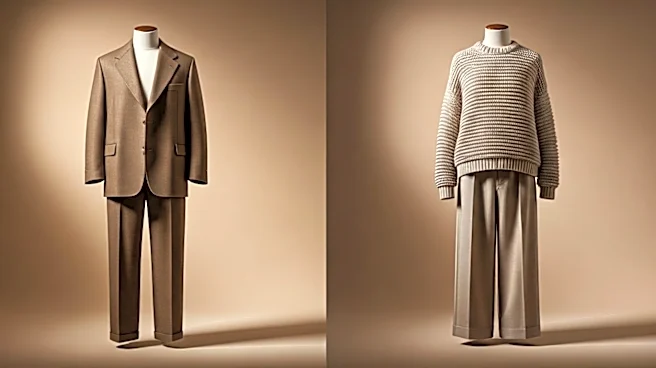
Another battleground is silhouette. Paris runways are filled with designers who play with proportion to create a sense of unease and intrigue. Rick Owens, for instance, is famous for pairing gigantic, architectural outerwear with sleek, body-hugging layers beneath. The tension is between exposure and protection, freedom and constraint. Similarly, Jonathan Anderson at Loewe often distorts classic menswear shapes, shrinking a sweater to doll-like proportions or elongating trousers until they pool dramatically at the floor. This isn't a mistake; it's a challenge to our preconceived notions of what a 'correct' male silhouette should be. It injects a sense of surrealism and playfulness into otherwise traditional archetypes, making them feel new and slightly subversive.
High-Concept Meets the Everyday
Perhaps the most modern form of tension is the blend of high-concept art with street-level pragmatism. This is the legacy of designers like the late Virgil Abloh at Louis Vuitton, who masterfully infused luxury goods with the codes of skateboarding and hip-hop. He created tension between the exclusive, historical world of a Parisian maison and the inclusive, contemporary energy of youth culture. We see it, too, in the work of brands like Sacai, where designer Chitose Abe literally splices two different garments—a trench coat and a bomber jacket, for example—into a single, hybrid piece. This 'Frankenstein' approach creates a beautiful friction between different clothing languages, resulting in something that feels both familiar and utterly original. It acknowledges that modern life isn't one-dimensional; we move between different worlds, and our clothes should reflect that complexity.
The Dialogue of Eras
Finally, Parisian designers excel at creating a dialogue between the past and the future. A collection might draw on medieval armor for its shapes, but render them in hyper-modern, technical nylon. Or it might take a stuffy Victorian frock coat and deconstruct it, giving it a raw, punk edge. This temporal tension prevents the clothes from feeling like historical costumes or sci-fi fantasies. Instead, they exist in a unique time zone of their own, referencing history without being trapped by it. By pulling from different eras, designers create a rich tapestry of meaning, suggesting that the man who wears these clothes is aware of where he comes from but is firmly focused on where he is going.