







Mistake 1: Believing Botox Is the Only Answer
When forehead lines appear, many people immediately think of Botox as the one and only solution. While neurotoxins are highly effective for certain types of wrinkles, they aren't the whole story. Dermatologists see this as a common misstep: jumping to a corrective
measure without building a preventative foundation. The most effective strategy is holistic. It starts with prevention—things like consistent sunscreen use and a healthy lifestyle—and includes a robust skincare routine long before injectables are even considered. Moreover, Botox is best for “dynamic” wrinkles, which are the lines that appear when your facial muscles move, like when you raise your eyebrows. It works by relaxing those specific muscles. For lines that are present even when your face is at rest, known as “static” wrinkles, other treatments are often needed in combination.
Mistake 2: Expecting Creams to Be a Magic Eraser
The beauty market is saturated with creams and serums promising to erase wrinkles in days. This sets up unrealistic expectations. While high-quality topicals are a crucial part of the puzzle, they can't replicate the effects of a clinical procedure. Ingredients like retinol, a derivative of Vitamin A, are proven to boost collagen production and speed up cell turnover, which can reduce the appearance of fine lines over time. Peptides and hyaluronic acid also help improve skin elasticity and hydration. However, their power lies in consistent, long-term use and improving overall skin quality, not in providing an overnight fix. These products work on the skin's surface and cellular health, whereas neurotoxins work on the underlying muscle. Expecting a cream to eliminate a deep, etched-in line is a recipe for disappointment.
Mistake 3: Underestimating the Power of Prevention
The single most effective tool for preventing forehead lines is one that many Americans still neglect: daily, broad-spectrum sunscreen with an SPF of 30 or higher. Sun exposure is a primary driver of premature aging because UV rays break down collagen and elastin, the proteins that keep skin firm and smooth. This damage is cumulative and happens even on cloudy days or through office windows. Beyond sunscreen, other lifestyle factors play a huge role. Chronic stress, smoking, excessive alcohol consumption, and a poor diet can all accelerate the formation of wrinkles by causing inflammation and cellular damage. Staying hydrated and eating a diet rich in antioxidants can help protect your skin from the inside out. Prevention is far more effective and less expensive than correction.
Mistake 4: Not Knowing Your Wrinkle Type
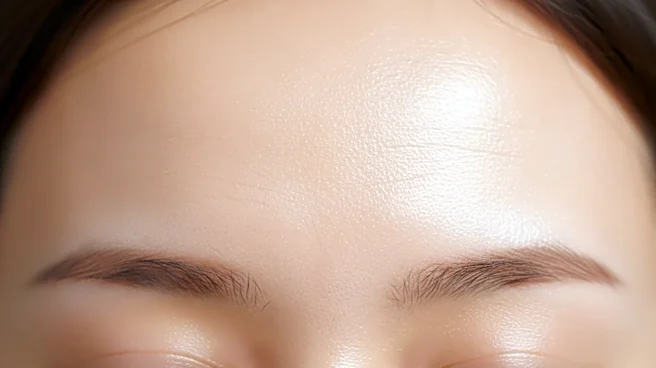
A wrinkle isn't just a wrinkle. A critical detail many people miss is the difference between dynamic and static lines. Dynamic lines, or expression lines, appear with movement—like when you frown, smile, or are surprised. When you're young, your skin's elasticity allows it to snap back. Over time, these repeated movements cause the lines to become permanently etched into the skin, transforming them into static lines that are visible even when your face is at rest. This distinction is vital because it dictates the best treatment. Botox excels at preventing and softening dynamic lines by stopping the muscle contractions. However, for deeper, static lines, you may need treatments that rebuild the skin's structure and volume, such as dermal fillers, microneedling, or laser resurfacing, which stimulate collagen production from within.
Mistake 5: Thinking More Is Always Better
Whether it's skincare or clinical treatments, an aggressive “more is more” approach can often backfire. Over-exfoliating with harsh scrubs or acids can damage the skin barrier, leading to irritation and sensitivity that makes skin look worse. Similarly, while retinol is a powerful ingredient, using a concentration that is too strong too soon can cause excessive dryness and peeling. When it comes to injectables, the goal of a skilled provider is not to freeze your face, but to soften lines while preserving natural expression. Requesting a completely immobile forehead can lead to an unnatural look and may even cause issues like brow drooping. A customized, conservative approach is almost always better. The best results come from a nuanced plan that combines preventative care, a consistent at-home routine, and professional treatments that are tailored specifically to you.