
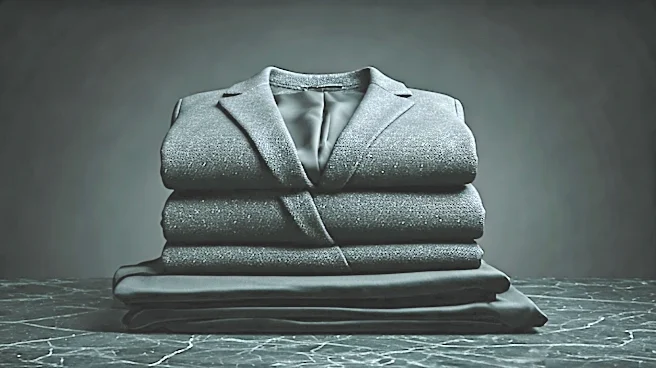


The Core Difference: Intention vs. Accident
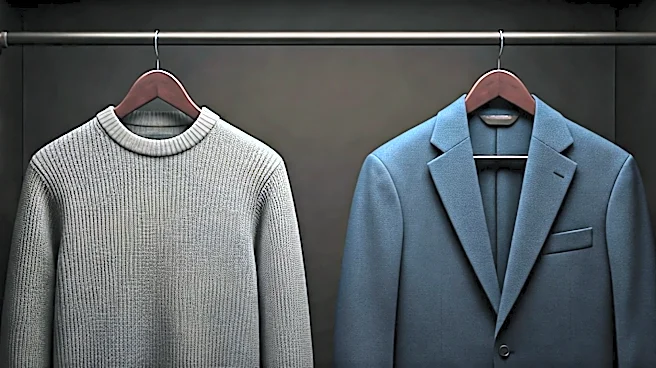
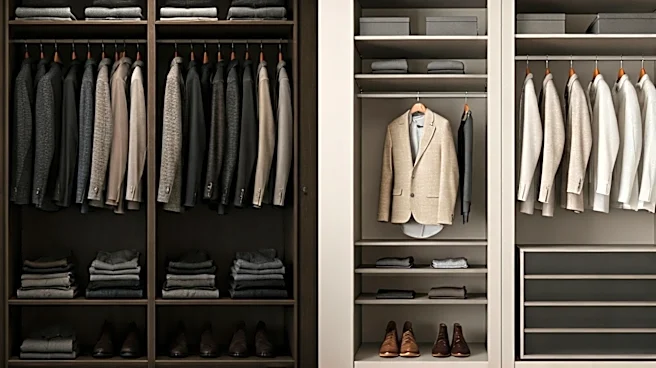
At its heart, the distinction between precise and lazy minimalism is one of intention. Precise minimalism is a philosophy; it’s about consciously choosing fewer, better things that work together perfectly. It's a curated collection of high-quality, timeless
pieces where every item serves a purpose. The goal isn't just to have less, but for that 'less' to be significantly more in terms of style, quality, and versatility. Lazy minimalism, on the other hand, is what happens when "less is more" becomes an excuse for a lack of effort. It’s grabbing a faded black t-shirt and ill-fitting jeans not as a style choice, but because it’s the easiest option available. It often results in a wardrobe that feels boring, uninspired, and frankly, a bit sloppy.
Fit Is Everything
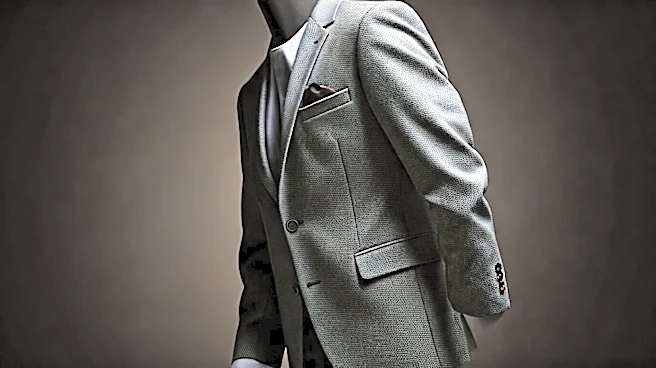
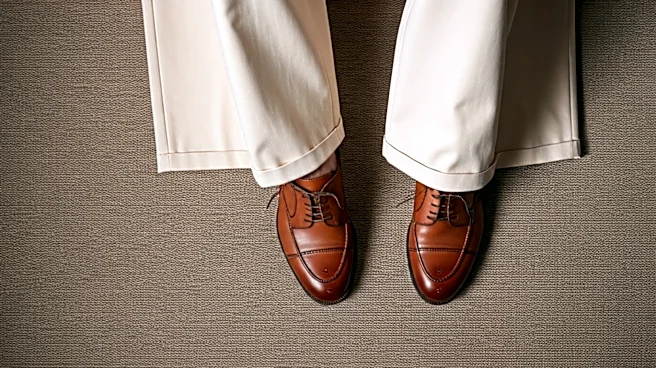
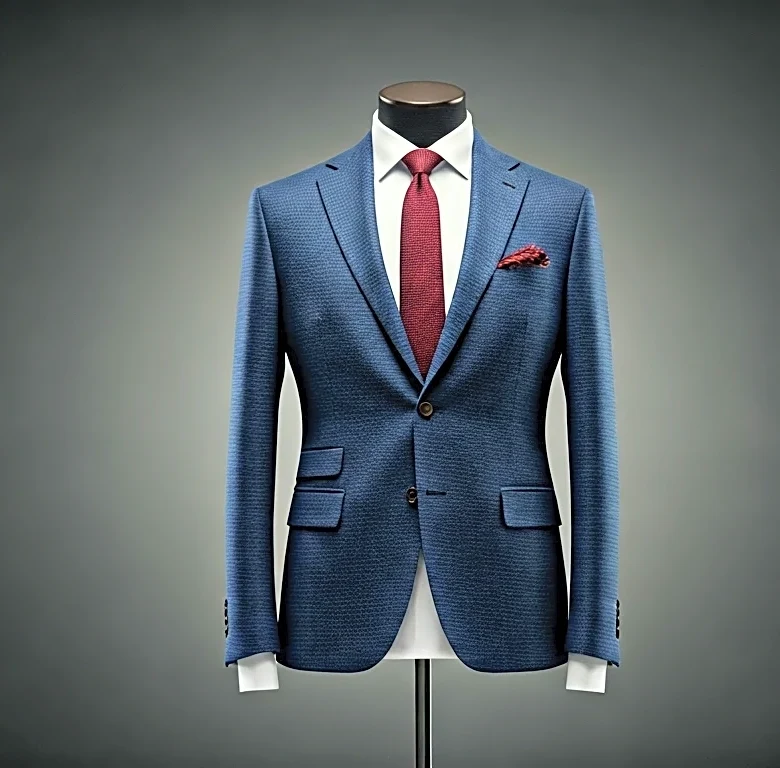
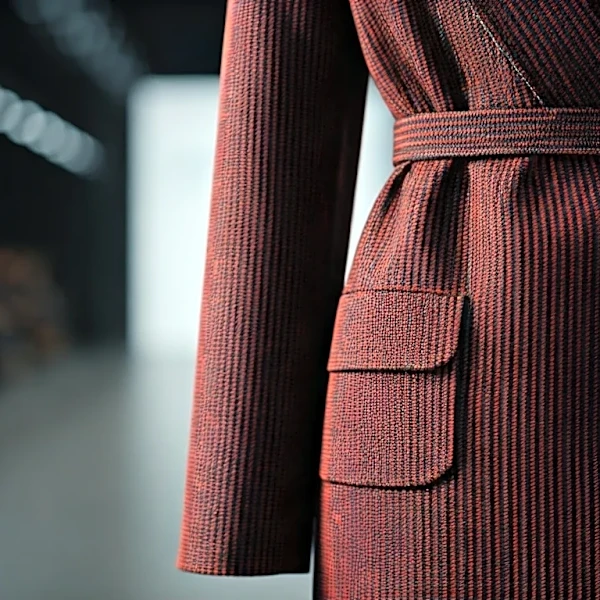
The most glaring sign of lazy minimalism is a poor fit. Think baggy t-shirts, pants that puddle around the ankles, or jackets with shoulder seams that droop halfway to your elbows. It suggests the clothes were bought without consideration. Precise minimalism is obsessed with fit. Trousers should have a clean break just above the shoe, shirts should skim the body without pulling, and jacket sleeves should allow a hint of shirt cuff to show. This doesn't mean everything must be skin-tight—relaxed fits can be minimalist—but the silhouette must be deliberate. It should look like the garment was chosen for your body, not just pulled from a random pile. A trip to the tailor is often the precise minimalist's secret weapon.
Fabric and Quality Tell the Real Story
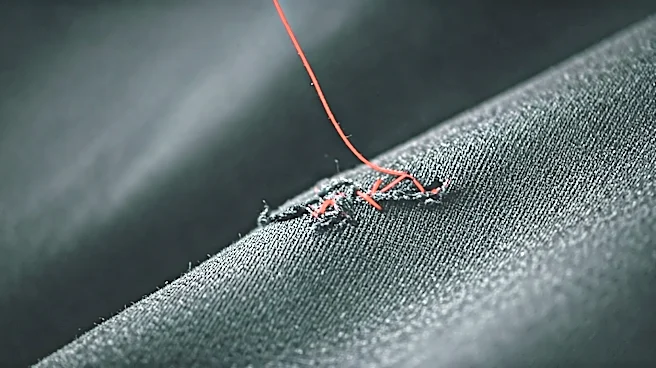
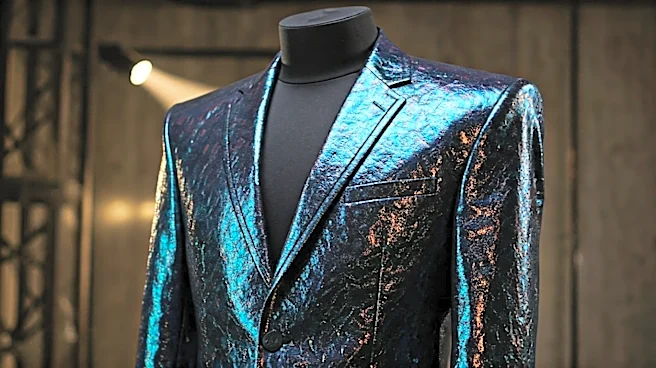
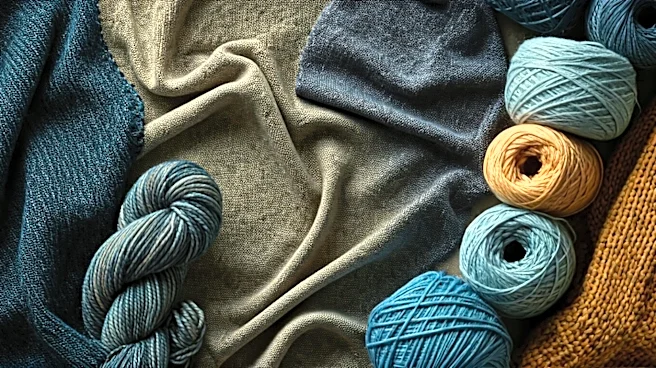
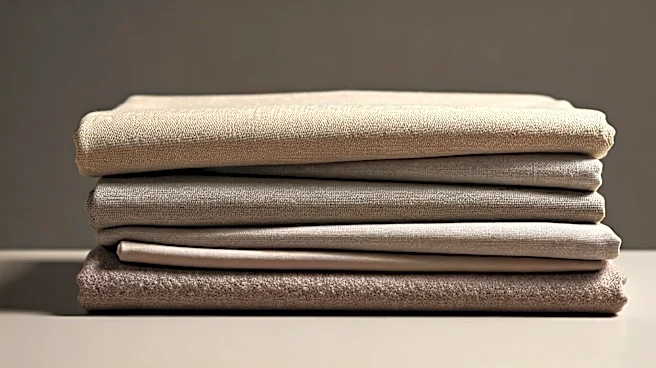
Lazy minimalism often relies on cheap, worn-out materials: thin cotton tees that lose their shape after one wash, pilled sweaters, and jeans that have faded into an indiscriminate shade of grayish-blue. Since you have fewer items in a minimalist wardrobe, each one is under greater scrutiny, and low quality can't hide. Precise minimalism prioritizes high-quality fabrics. Instead of a flimsy t-shirt, it’s one made of heavyweight organic cotton. Instead of a basic acrylic sweater, it might be a fine-knit merino wool or cashmere piece. These materials not only last longer but also look and feel more luxurious. Pay attention to texture; a precise minimalist might play with the subtle differences between linen, wool, and heavy cotton to add depth to an otherwise simple outfit.
Color Palette: Deliberate vs. Default
A lazy minimalist’s color palette is often just a default to black and gray because it requires no thought. The result can be monotonous and drab. A precise minimalist also builds their wardrobe on a foundation of neutral colors—like black, white, navy, grey, tan, and olive—but the selection is deliberate. These core colors are chosen because they are endlessly versatile and work together in any combination, making it easy to create cohesive outfits. The precise approach also understands how to strategically add a pop of color. It’s not about loud, trendy patterns, but perhaps a single, well-chosen accent color that complements the neutral base. The entire palette feels harmonious and considered, not just like a surrender to the easiest options.
The Details: Accessories and Grooming
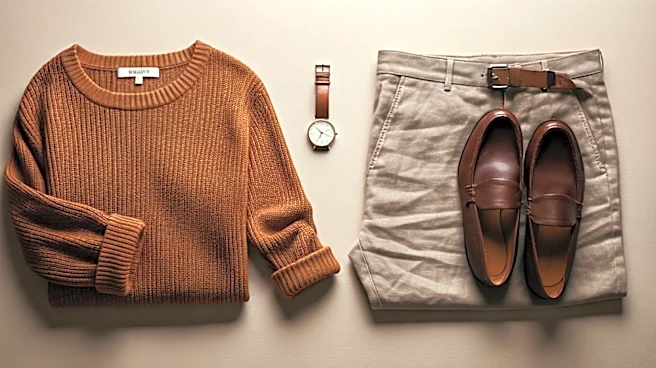
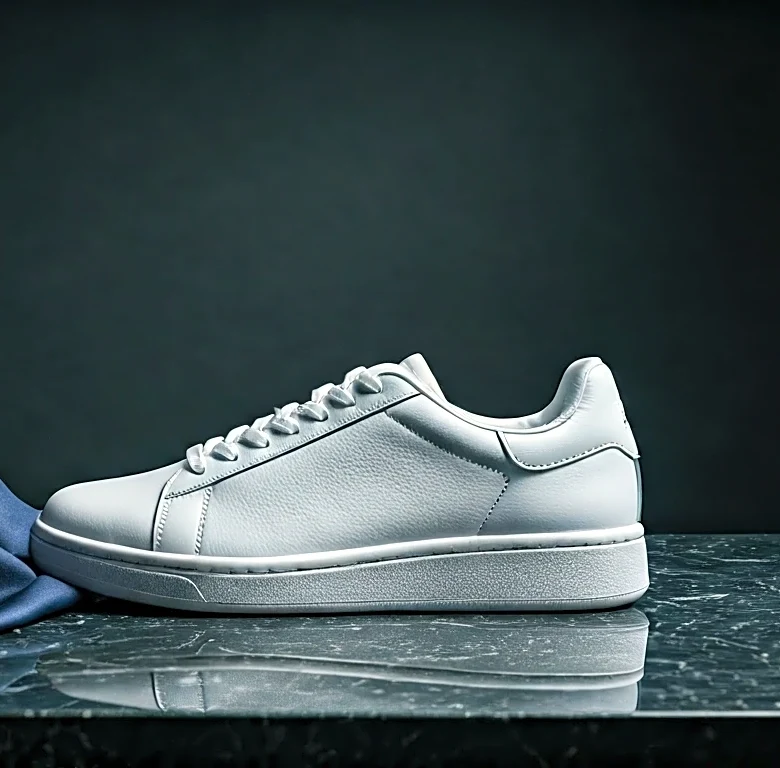
Lazy minimalism often stops at the clothes. Shoes are an afterthought, accessories are non-existent, and grooming can be neglected. Wrinkled shirts, scuffed sneakers, and an unkempt beard can instantly undermine the entire look. Precise minimalism understands that the finishing touches are what elevate the entire outfit. Accessories are few but impactful—a classic watch with a clean face, a high-quality leather belt that matches the shoes, or a pair of spotless, minimalist sneakers. These details signal that the entire look is intentional. Likewise, good grooming is non-negotiable. A sharp haircut and well-maintained facial hair are just as important as the clothes themselves, reinforcing the overall impression of clean, deliberate style.