




Beyond the Trend: The New Staple
Once relegated to historical dramas or fleeting Y2K nostalgia, the corset top has firmly planted its flag in the landscape of modern American style. It's no longer just a daring choice for a night out; it has become a versatile tool for layering over
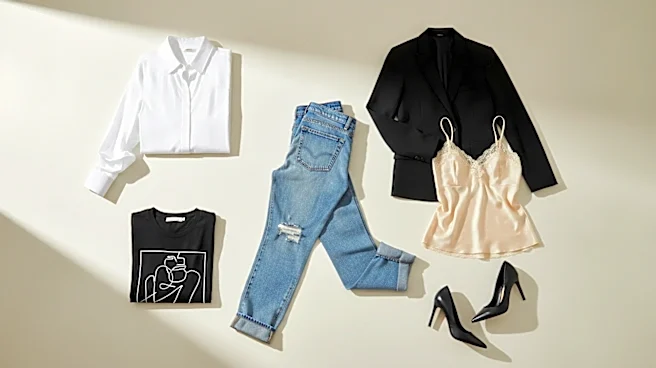
shirts, pairing with tailored trousers for a sharp silhouette, or dressing down with baggy jeans for a high-low look that feels effortlessly cool. This evolution from trend piece to staple means it’s worth investing in one that’s built to last. The market is flooded with fast-fashion versions, but the truly well-dressed know that the magic is in the make. A superior corset top doesn’t just look good on the hanger; it transforms how your entire outfit sits and feels.
Feel the Difference: Fabric Is Key
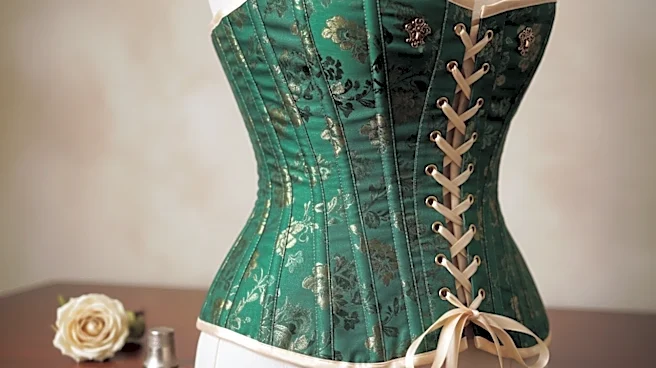
The first and most immediate indicator of quality is the fabric. A cheap corset top often uses flimsy, single-layer polyester satin or thin, stretchy materials that offer no structure. While they might mimic the look, they fail to provide any support and can wrinkle or bunch awkwardly. A quality piece, by contrast, feels substantial in your hands. It’s typically constructed with multiple layers: a fashion fabric on the outside (like silk, brocade, or sturdy leather), and a strength layer on the inside. This inner layer is often made of coutil, a non-stretch cotton fabric specifically designed for corsetry that provides durability and shape. This robust construction ensures the garment holds its form and yours, creating a smooth, uninterrupted line.
The Backbone of the Garment: Understanding Boning
Boning is what gives a corset its signature structure, but the type of boning makes all the difference. Mass-market tops often use flimsy plastic boning, which can warp, bend out of shape, and even poke uncomfortably with wear. This is the primary reason a cheap corset top will quickly lose its shape and supportive qualities. In contrast, a well-made corset top uses steel boning. There are two main types: flat steel bones, used at the front busk and back lacing for rigidity, and spiral steel bones, used on the sides for flexibility and to hug your curves without restricting movement. This combination of strength and flexibility is what allows the garment to cinch and shape effectively while remaining comfortable. You can often feel the solid, yet pliable, nature of steel boning compared to the brittle lightness of plastic.
The Perfect Fit: Seams, Panels, and Shape
A high-quality corset top is engineered for a superior fit, which comes down to its construction. Look at the number of panels—more panels generally allow for better and more detailed shaping, hugging the body’s curves instead of flattening them. A cheap top might have just a few seams, resulting in a boxy shape. Furthermore, an expertly crafted top will fit snugly without uncomfortable pinching or gaping. It should feel like a firm hug, providing support without restricting your breathing. Many quality corsets also include a waist tape, which is a sturdy ribbon or twill tape sewn into the waistline internally to reinforce the area and prevent stretching, ensuring a consistent cinch and hourglass shape over time.
Finishing Touches That Signal Craftsmanship
Finally, the devil is in the details. On a well-made top, the grommets (the eyelets for the lacing) will be sturdy and securely set, not flimsy or pulling away from the fabric. The stitching will be even and reinforced, especially along the boning channels and seams. Even the lacing itself is a clue; quality corsets often come with strong, durable laces designed to handle tension, unlike the cheap ribbons found on many fashion versions. These small elements might seem minor, but they are hallmarks of a garment built with intention and expertise, designed to be worn and loved for years, not just a single season.