


The 'Dumb Blonde' with a Plan
Dolly Parton’s wit is almost as legendary as her music, and her self-deprecating one-liners about her appearance are classics. “It costs a lot of money to look this cheap,” she’d say, disarming critics with a wink. By calling herself an “eyesore” or a “Backwoods
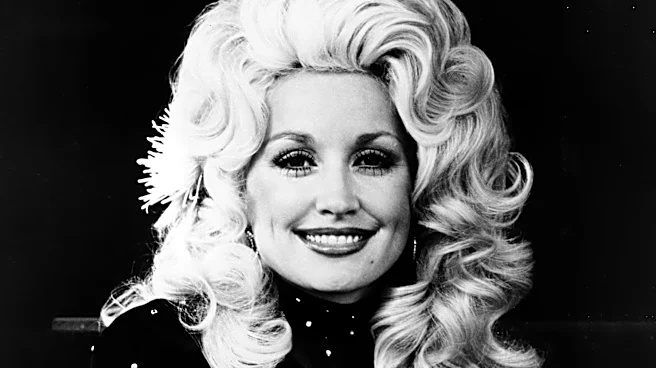
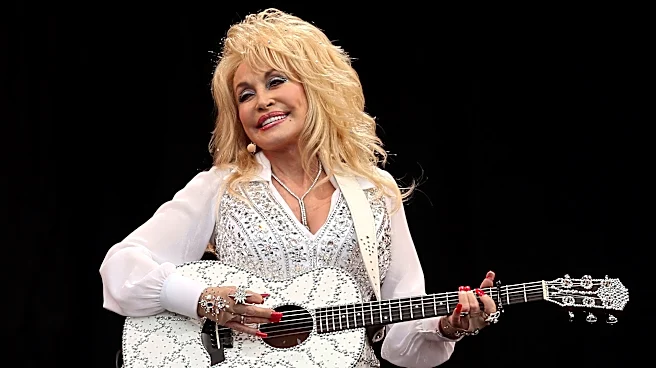
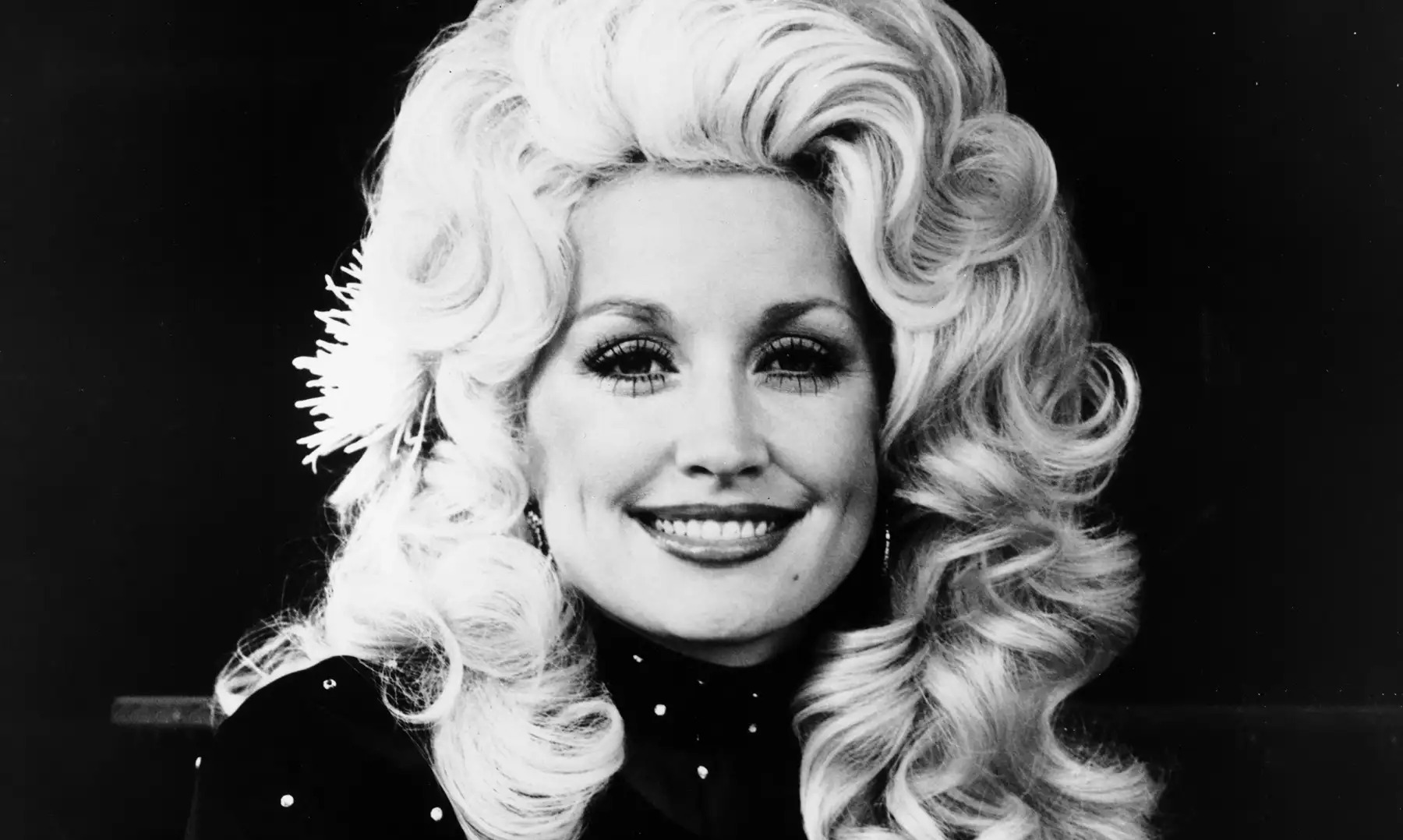
Barbie,” Parton seized control of the narrative. She knew exactly how the world might perceive her—the towering blonde wigs, the skintight sequined jumpsuits, the unapologetic glamour—and she beat them to the punchline every time. But behind the jokes was a shrewd and deliberate strategy. Record executives in the 1960s tried to tone her down, suggesting a more demure, pop-friendly look. Parton refused, stating she couldn’t perform if she didn’t feel comfortable in her own skin. She understood early on that her image wasn't a liability; it was her most powerful asset. This wasn't a woman playing a character assigned to her; this was a genius creating an icon.
The Rhinestone as Armor
To understand Parton’s style, you have to understand its origins. Growing up in poverty in rural Tennessee, her idea of glamour wasn’t formed by fashion magazines but by the “town tramp,” a local woman with bleached-blonde hair, red nails, and high heels whom Parton thought was beautiful. That aesthetic of defiant, self-made beauty became her North Star. The rhinestones, the fringe, and the glitter weren't just for show; they were armor. In the male-dominated world of 1970s country music, Parton’s exaggerated femininity became a subversive tool. Executives who thought she was “as silly as I looked” underestimated her at their own peril. As she famously noted, by the time they realized she knew what was going on, she had “done got the money and gone.” Her look made her unforgettable, a human brand as recognizable as Coca-Cola, ensuring she would never be just another voice in the Nashville machine.
A Look That's Always in Style
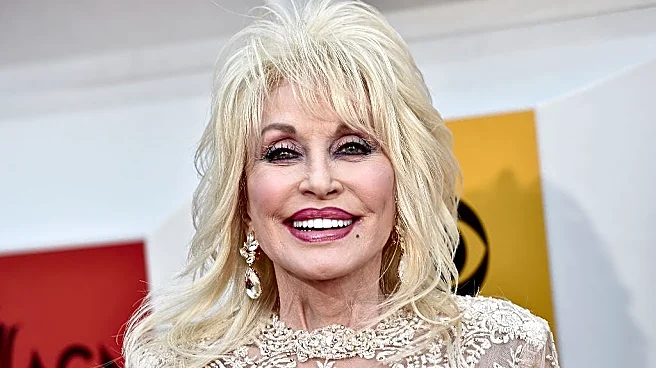
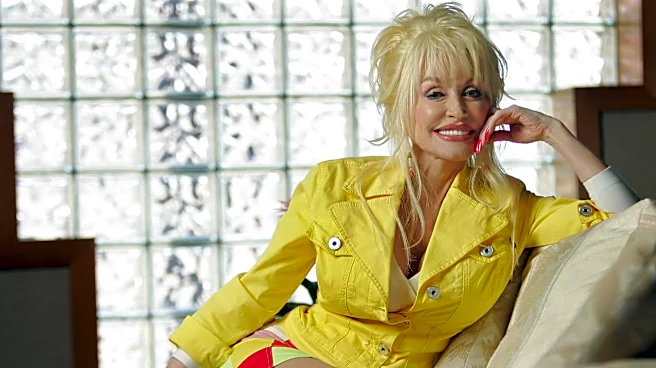
While fashion trends came and went—from 70s disco to 80s power suits and 90s minimalism—Dolly Parton remained gloriously, consistently Dolly. She never chased trends; she was her own style, a blueprint for maximalist country glam. She famously pushed back against the idea of being fashionable, saying, “I would never stoop so low as to be fashionable.” This unwavering commitment to her own aesthetic is the very thing that has made her a timeless fashion icon. Designers and artists from Miley Cyrus to Beyoncé have drawn inspiration from her singular vision. Her unapologetic embrace of “more is more” created a space for artists to build their own theatrical personas, proving that authenticity isn't about looking plain—it's about being true to your own vision, no matter how much glitter is involved.
The Last Laugh in Sequins
For decades, Parton faced criticism from those who believed her over-the-top image would prevent her from being taken seriously as a songwriter. They saw a caricature, but she was building a fortress. The wigs, which she started wearing to protect her damaged hair, became a signature part of the costume, allowing her to be stage-ready at a moment's notice. Everything was part of the plan. Her custom-made outfits weren’t just clothes; they were business decisions. The look she fought to keep, the one people told her was “cheap and gaudy,” is now celebrated in museum exhibits and dissected in fashion magazines as a masterstroke of branding. She proved that a woman could be both a serious artist and a spectacle. She controlled her image so completely that she became immune to ridicule, turning every potential insult into a source of power and connection with her audience.