





The Old Guard: No-Shine Masculinity
Not long ago, the men's grooming aisle was a testament to one core principle: control. Specifically, controlling oil and shine. [14] Products promised a “matte finish,” a look as flat and shine-free as a sheet of paper. [23] The goal wasn't to look healthy,
but to look like you weren't trying at all. Using oil-absorbing sheets or a dusting of powder was a discreet ritual aimed at erasing any evidence of sweat, oil, or, heaven forbid, effort. This aesthetic was tied to a rigid definition of masculinity, where admitting to a skincare routine felt taboo. [12] Skincare was often seen as frivolous or unmanly, something done out of necessity (like aftershave) rather than for self-care. [12, 17] The matte look was a form of concealment—hiding pores, imperfections, and the very idea that you cared about your appearance.
The New Glow: Health as the Standard
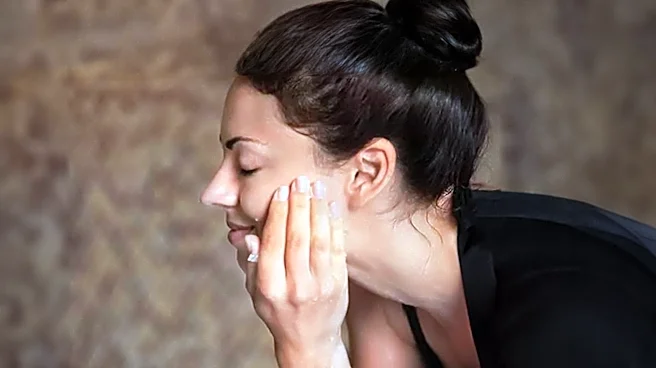
Today, that ideal is being replaced by a focus on visibly healthy skin. The new goal isn't to be shine-free but to have a natural radiance—what the industry calls a "dewy" or "glazed" finish. [23] This look is characterized by hydrated, supple, and even-toned skin that reflects light. The shift is heavily influenced by the global rise of K-beauty, where flawless, luminous skin has long been the standard for men and women alike. [1, 2] K-pop idols and Korean actors have helped normalize the idea that taking pride in your appearance is a form of self-care. [1, 2] This trend has found fertile ground in the West, with celebrities like Dwayne Johnson, John Legend, and Harry Styles launching their own skincare lines that champion health and simplicity over concealment. [13, 22] The message is no longer about hiding, but about enhancing what’s already there.
More Than Skin Deep: Authenticity Over Perfection
So, why does this pivot matter? Because it reflects a much broader cultural evolution. The move away from a matte finish signals a shift in how masculinity is perceived and performed. [7, 11] An evolving concept of masculinity embraces self-care, and younger generations like Gen Z are leading the charge, viewing skincare as a natural part of their daily routine without stigma. [7, 16] This isn't just about vanity; it's part of the larger wellness movement that connects physical health with mental well-being. [9] Taking care of your skin is now framed as an investment in long-term health, not just a cosmetic fix. [10] It represents a move toward authenticity—a desire to present a genuine, healthy version of oneself rather than a perfectly curated, artificial ideal. This change allows men to engage with grooming in a way that feels like confidence-building, not correction.
From Cover-Up to Care: A Product Revolution
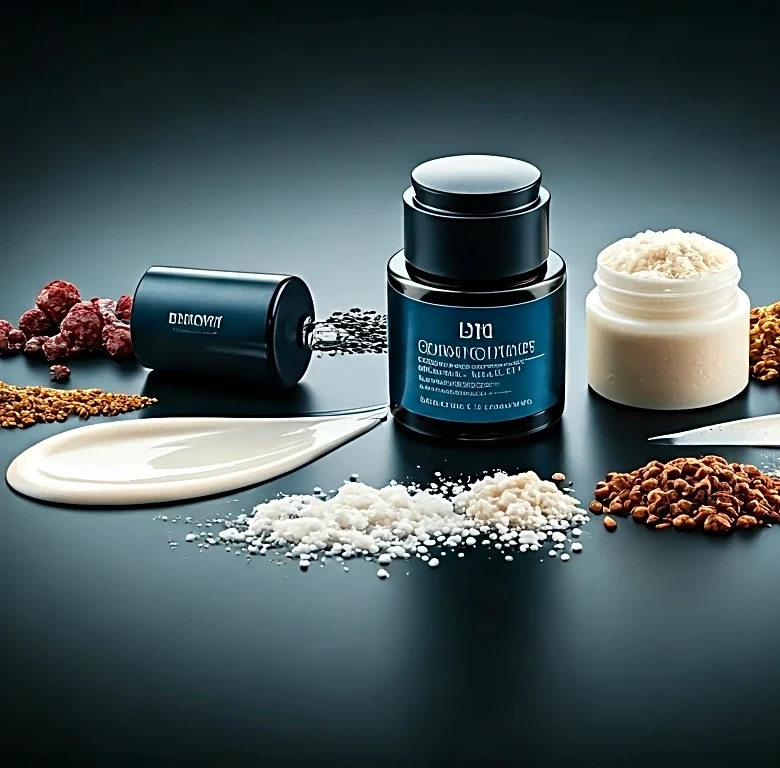
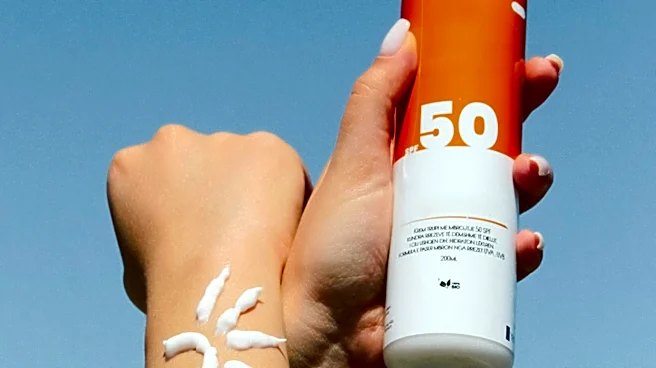
This philosophical shift is mirrored in the products men are now buying. The focus has moved from mattifying powders and heavy concealers to a routine centered on skin health. Today's popular products include hydrating serums with ingredients like hyaluronic acid, brightening agents like Vitamin C, and gentle exfoliants that improve skin texture over time. [23] Sunscreen is also finally being recognized as a daily essential for preventing damage and maintaining a youthful appearance. [19] The industry has responded with an explosion of gender-neutral or male-specific lines designed to be effective and easy to use. [3, 17] Brands are developing multifunctional products that offer clear, science-backed benefits, appealing to men who are seeking solutions rather than trends. [17, 25] The goal is no longer a quick cover-up but a long-term investment in the skin itself, creating a healthy canvas that doesn't need to be hidden.