



The New Rules of Neutral
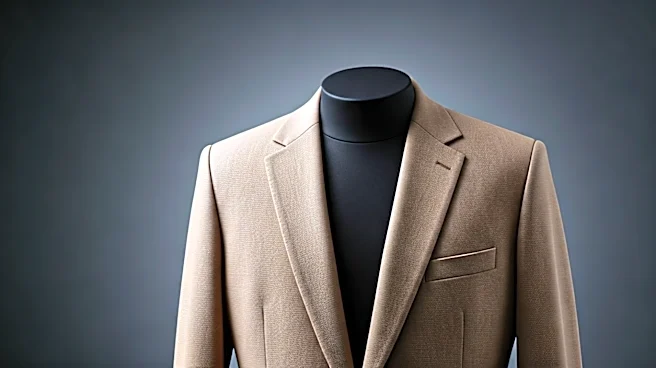
First, let's get one thing straight: this isn’t the stiff, corporate beige of 1990s office parks. The tailoring seen on the cobbled streets outside the Fortezza da Basso was defined by a new sense of ease. Think unstructured blazers with soft, natural
shoulders that drape rather than command. Trousers were fuller, often double-pleated and cut from lightweight, breathable fabrics like linen, tropical wool, or cotton blends. The color itself spanned a sophisticated spectrum from pale ecru and sand to deeper, richer camel and stone. What made it feel modern was the deliberate lack of fuss. It was tailoring worn with the nonchalance of a sweatshirt—a comfortable, confident uniform for a man who doesn’t need to shout to be heard.
An Antidote to Logomania
For the better part of a decade, menswear was dominated by the loud pronouncements of streetwear: bold graphics, oversized logos, and look-at-me sneakers. It was a peacocking contest of hype and exclusivity. The return to a palette of unassuming beige is a direct, if gentle, rebellion against that. It’s a key component of the “quiet luxury” or “stealth wealth” movement that has permeated fashion post-pandemic. In a world saturated with visual noise, sophistication is increasingly found in subtlety. A beautifully cut beige linen suit doesn’t scream its price tag. Instead, its value is in the cut, the fabric, and the way it’s worn. It communicates taste and an appreciation for craftsmanship over branding, a sign of confidence that is internal, not externally validated.
Relaxed Fit, Relaxed Masculinity
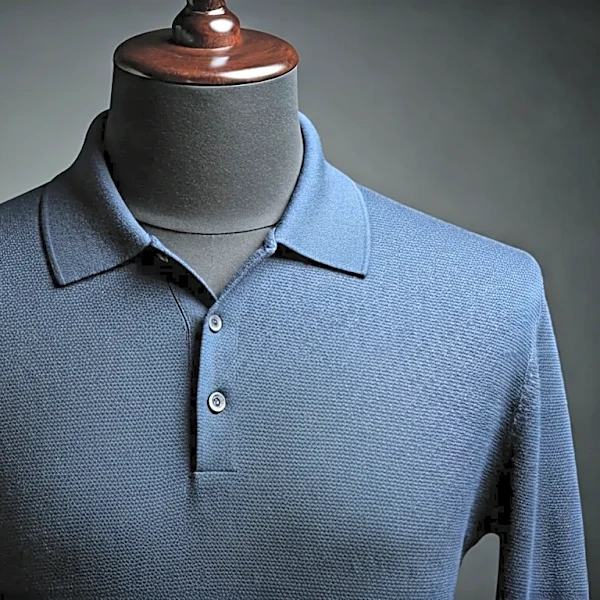
There’s also a cultural current at play. The rigid, hyper-structured power suits of the '80s and the slim, almost restrictive suits of the 2010s each reflected a particular ideal of masculinity. This new wave of soft, neutral tailoring suggests something different. The relaxed silhouettes and gentle colors offer a softer, more approachable form of masculine dress. It’s less about armor and corporate warfare and more about elegance and ease. By pairing a deconstructed beige blazer with a simple knit polo, casual loafers, or even clean white sneakers, the modern man is blending the formal with the informal. He’s acknowledging tradition while adapting it for a life that’s less rigid and more fluid. This isn’t about abandoning tailoring; it’s about reclaiming it as a tool for personal comfort and expression, not just a uniform of conformity.
How to Make Beige Work for You
The key to adopting this trend is to avoid looking like you’re headed to a mundane quarterly review. It’s all in the styling. Start small with a single piece. A well-made, unstructured beige blazer can be your new go-to jacket, thrown over a white t-shirt and dark denim or worn with navy chinos. The magic is in the mix. Think tonal. Layering different shades of cream, stone, and tan creates a rich, intentional look that is anything but boring. Pay attention to texture: a slubby linen jacket, a fine-gauge merino knit, and crisp cotton trousers in similar shades look incredibly chic. Finally, keep the accessories sharp but understated. Brown suede loafers, a woven leather belt, and classic sunglasses are all you need. The goal is to look put-together, not buttoned-up.