
Baseball’s Ultimate Utility Man
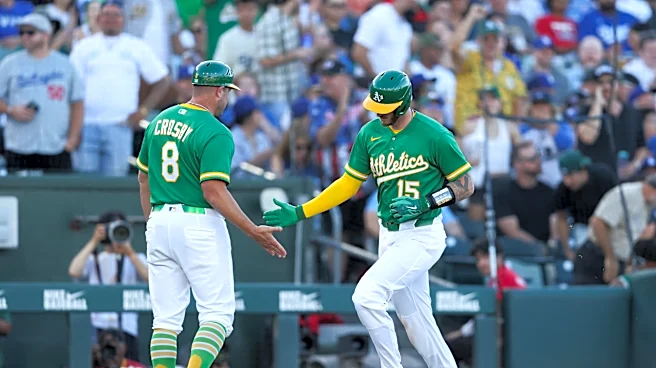
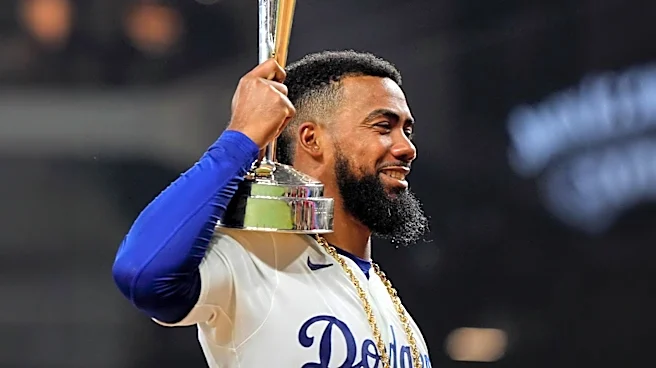
To understand Mookie Betts is to understand the absurd. Players are supposed to move down the defensive spectrum as they age, not up. Outfielders become first basemen, not the other way around. But Betts isn't
most players. After winning six Gold Gloves as a right fielder—arguably the best defensive outfielder of his generation—he didn't just maintain his excellence; he went looking for new challenges. First, he moved to second base. Then, in a move that stunned the league, he took over as the everyday shortstop for the Los Angeles Dodgers, one of the most demanding positions on the diamond. He did this not in his early 20s, but in his 30s, at an age when most players are trying to preserve their bodies. Betts’s value isn’t just that he can play these positions; it’s that he plays them at an elite or near-elite level, providing his team with roster flexibility that is almost unheard of. He allows the Dodgers to build their lineup in countless ways, plugging holes and maximizing matchups—a living, breathing tactical advantage.
Flexibility on the World's Biggest Stage
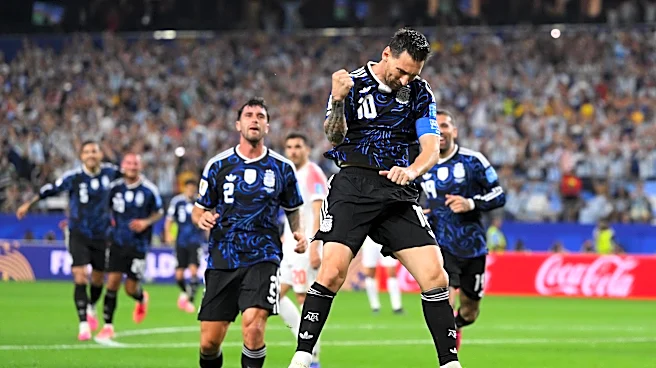
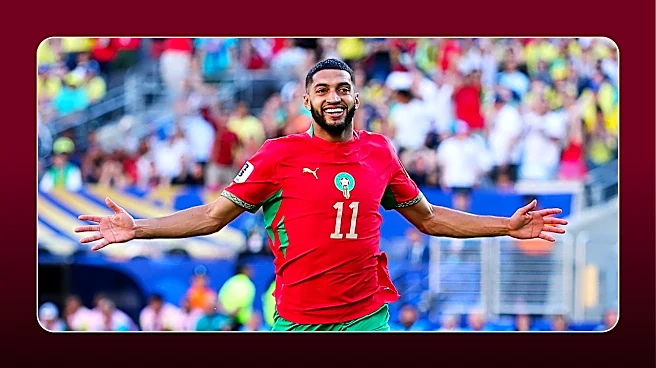
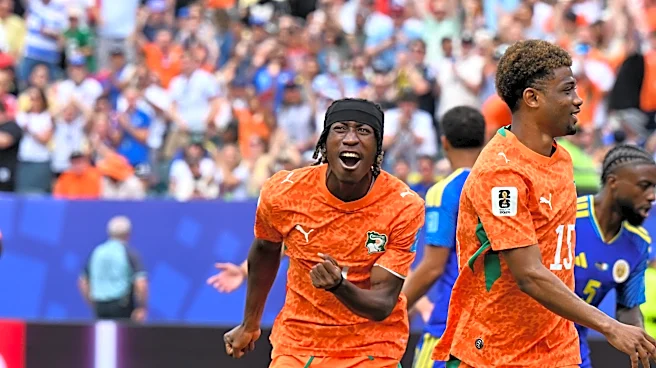
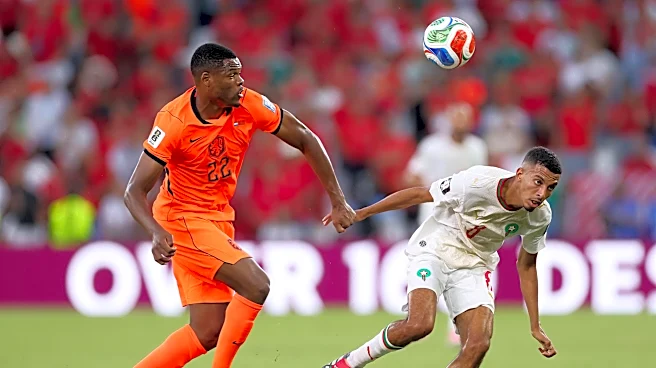
Meanwhile, a similar story is unfolding on the world’s biggest soccer pitches at the 2026 FIFA World Cup. While individual superstars like Kylian Mbappé and Erling Haaland dominate headlines for their goalscoring, a quieter trend is defining the tournament's most successful teams: tactical flexibility. According to FIFA's Technical Study Group, the tournament has been shaped by in-game adjustments, the influence of substitutes, and fluid systems that defy rigid formations. Teams are no longer just a starting XI; they are 26-man tactical toolkits. A fullback who can step into midfield, like Morocco's Achraf Hakimi, creates numerical overloads. A midfielder like Uruguay's Federico Valverde, known for his incredible engine and ability to play wide or central, allows his team to change its shape without making a substitution. The most successful national teams are the ones that can adapt, shifting from a high-press to a low-block, exploiting space, and using the depth of their squad to change the flow of a game.
Why Specialists Are A Dying Breed
This shift away from rigid specialization isn't a coincidence; it's a direct result of the analytics revolution in both sports. In baseball, advanced metrics show the immense value of run prevention, making a player who can handle multiple defensive assignments without a drop-off a statistical cheat code. In soccer, the rise of concepts like counter-pressing and positional play means players are valued for their ability to contribute in multiple phases of the game. You can no longer just be a goal-scorer who doesn't defend or a defender who can't pass. The game is too quick, the spaces too tight. Success now demands athletes with a high "sports IQ" who understand the game on a deeper level. This is the common thread between Betts and the tactical chameleons of the World Cup: their value is multiplied because they offer solutions to problems their more specialized peers cannot.
The Shared DNA of Greatness
Ultimately, what links Mookie Betts’s infield adventures with the tactical fluidity of the World Cup is a mindset. It’s a commitment to team needs over personal comfort, a relentless work ethic, and an uncommon ability to learn and apply new skills at the highest level. For Betts, it’s taking thousands of ground balls to rewire muscle memory built over a lifetime in the outfield. For a soccer team, it's the collective understanding to shift formations based on a single trigger on the field. This isn't just about raw talent; it’s about intelligence, adaptability, and a willingness to do what it takes to win. While we will always be captivated by the 50-homer slugger or the 30-goal striker, there is a growing appreciation for the player who can do a little bit of everything—and do it all well. They are the glue that holds championship teams together, the unsung heroes whose value can’t always be captured in a traditional box score, but is deeply felt in the win column.