



The Myth: It's Live, Raw, and Unpredictable
The core appeal of the VMAs has always been its perceived danger. Unlike the stately Oscars or Grammys, the VMAs feel like a party that could spiral out of control at any moment. We tune in expecting—and hoping for—a moment of pure, unfiltered celebrity
spontaneity. The most iconic moments in the show's history, from Kanye West interrupting Taylor Swift to Madonna kissing Britney Spears, are cemented in the public imagination as happy accidents that producers couldn't possibly have planned. The prevailing belief is that the producers simply point the cameras and pray for the best, capturing whatever drama unfolds in real time.
The Reality: It's 'Controlled Chaos'
Producers of the show have a term for the VMA environment: "controlled chaos." Longtime executive producer Van Toffler has noted in the past that while you can't manufacture a moment like the Kanye-Taylor incident, you can create a "volatile environment that can be combustible." This is the secret sauce. The show isn't scripted line-by-line, but it's meticulously produced to encourage these moments. Producers don't tell an artist what to say, but they give them a platform, a live microphone, and an audience of millions, knowing that some personalities are more likely to create sparks. They don't script the fire, but they absolutely arrange the kindling.
The Myth: Performances are Spontaneous Expressions
When Britney Spears performed "I'm a Slave 4 U" with an albino python in 2001, it felt like a risky, on-the-fly decision that defined her career. The image is one of wild, untamed performance art. The assumption is that artists show up, feel the energy of the room, and deliver a performance fueled by pure adrenaline. Viewers see the finished product—a seamless, high-energy spectacle—and assume it's as chaotic behind the curtain as it appears on stage.
The Reality: Everything is Rehearsed for Weeks
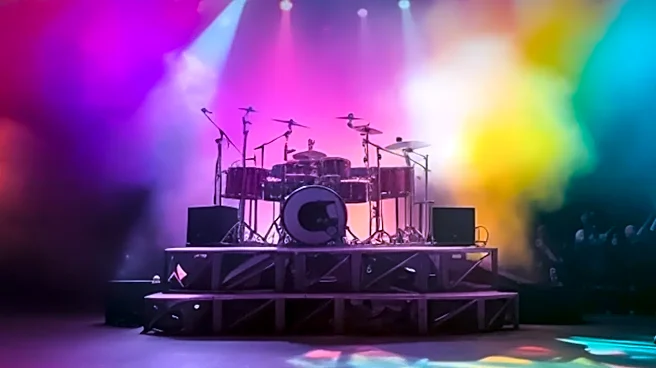
That iconic snake performance was the result of intense planning and rehearsal. The architecture and design firm STUFISH was hired three weeks in advance to conceptualize and build the set, which involved a cage for a live tiger and a custom-designed tree for the snake. Spears herself rehearsed extensively with the python, even reportedly breaking out in hives from the stress. Likewise, other technically ambitious performances are planned and rehearsed for hours, if not days or weeks, on mock-up stages before they ever get to the main event. The show employs massive crews to manage multiple stages, complex lighting rigs, and thousands of feet of LED screens, all designed to deliver a flawless broadcast. It's less about spontaneity and more about military-grade precision disguised as a party.
The Myth: The Drama Just Happens
When the camera cuts to a reaction shot of one celebrity scowling while their rival accepts an award, it feels like a stolen, private moment. Seating arrangements seem random, and the interactions between artists feel like organic encounters you might see at any industry party. The drama is a byproduct of putting all these big personalities in one room, or so the story goes.
The Reality: Seating Charts are a Strategic Weapon
Nothing is accidental, especially not the seating chart. Producers are keenly aware of the existing dynamics between artists—the exes, the current flames, the collaborators, and the rivals. Seating Taylor Swift near an ex-boyfriend or placing two feuding rappers in the same camera frame is a deliberate choice. It's a non-verbal form of scripting. Producers know that a carefully aimed camera can create a narrative without a single word being spoken. By engineering these potential flashpoints, they ensure there's always a story to tell, even when the presenters are just reading names off a teleprompter.