

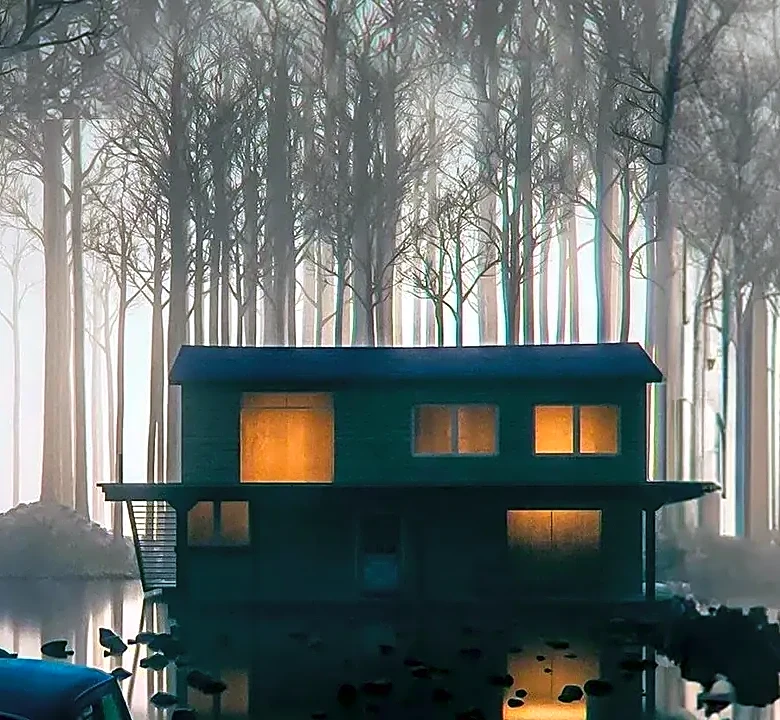



The New Cabin in the Woods
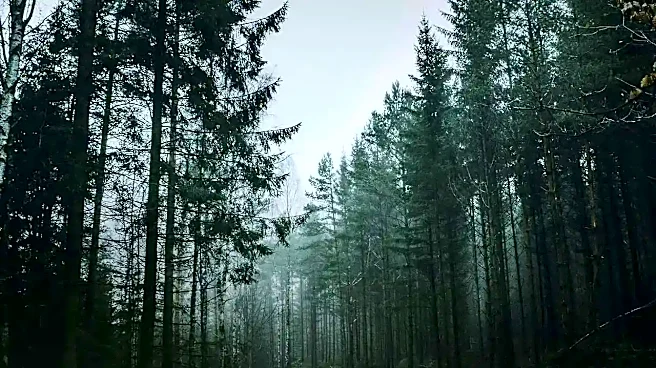
For decades, the go-to setting for terror was simple: a remote, dilapidated cabin. It symbolized a break from civilization, a place where the rules of society no longer applied and primal fears could take over. But as our cultural anxieties have shifted,
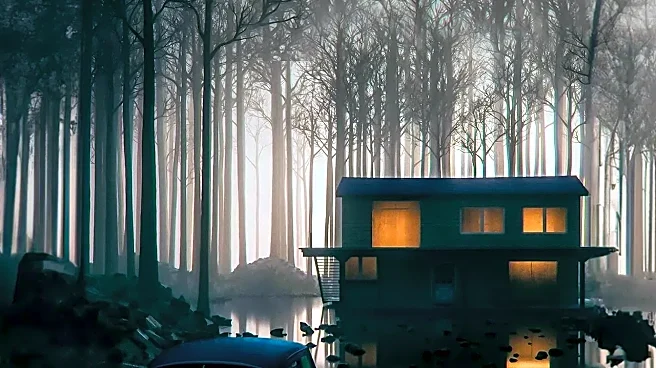
so has the landscape of horror. Today’s most effective thrillers have traded splintering wood for polished concrete and floor-to-ceiling glass. The true pressure cooker is no longer a forgotten shack but a high-end, isolated home—the kind you’d see in an architecture magazine. Films like "Leave the World Behind" and "The Invisible Man" weaponize these spaces, turning dream homes into bespoke prisons. The horror isn't about what’s lurking in the ancient woods; it's about the terror that can unfold within the clean, sterile lines of a space designed for ultimate comfort and security.
A Prison of Glass and Concrete
The power of the modern architectural home as a thriller setting lies in its inherent contradictions. Those vast glass walls, designed to bring the outside in, become instruments of surveillance. There is nowhere to hide when every wall is a window, making characters feel perpetually exposed and watched. This design choice flips the idea of a fortress on its head; instead of keeping danger out, it traps the inhabitants inside with their fears, forcing them to confront threats in plain sight. Modernist design, with its hard surfaces, stark minimalism, and lack of cozy clutter, offers no psychological comfort. It feels cold, impersonal, and unforgiving. When combined with smart-home technology—automated locks, integrated surveillance, and systems that can be controlled remotely—the house itself can become an antagonist, a sentient cage that turns on its owners. The home in Bong Joon-ho's "Parasite," with its pristine surfaces and hidden lower levels, is a perfect example of architecture dictating and concealing a brutal social hierarchy.
The Psychology of Luxurious Isolation
Setting a thriller in a luxurious, remote home taps directly into contemporary anxieties about wealth, status, and the fragility of safety. These settings often feature characters who believe their success and money have bought them a shield from the chaos of the world. By placing them in a location that is both a symbol of their achievement and the instrument of their torment, these films suggest that true security is an illusion. The isolation amplifies this. Help is far away, and the usual support systems are gone. This forces characters into a state of intense psychological stress, where paranoia and mistrust flourish. In a single, confined location, there is no escape from mounting tension, making it a perfect narrative pressure cooker. The horror becomes deeply personal because the threat isn't just from an external monster; it arises from the very environment the characters chose as their sanctuary.
Nowhere to Run, Nowhere to Hide
Unlike a haunted house, where evil can be attributed to a ghost or an ancient curse, the terror in a modern architectural thriller is often man-made, clinical, and inescapable. The clean lines and rational design of the house mock the irrational chaos unfolding within it. There are no spooky shadows to blame, only the stark, well-lit reality of the situation. This dynamic forces a different kind of horror—one that is less supernatural and more psychological. The characters can't blame a creaky floorboard or a bump in the night; they have to confront the human threats, either from an intruder or from within their own group. The setting strips away all external excuses, leaving only the raw, claustrophobic drama between the people trapped inside. The house becomes a laboratory for suspense, isolating its subjects and heightening every conflict until it reaches a boiling point.