


The Unsung Architecture of Fear
In the anatomy of a Halloween Horror Nights haunted house, the major scenes get all the glory. These are the elaborate, brightly lit rooms where iconic characters lunge from the shadows and major plot points unfold. But connecting these theatrical moments
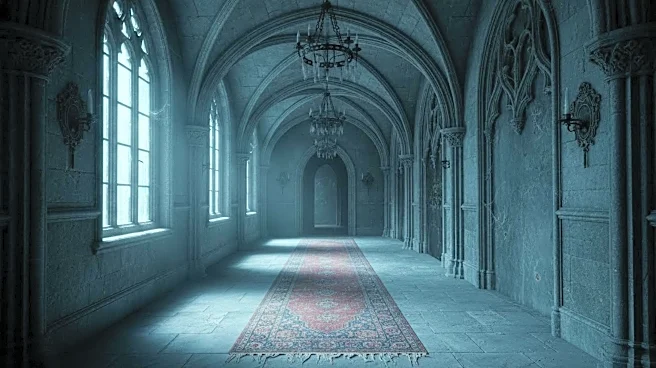
are the unsung heroes of the experience: the transition rooms. These are the dark hallways, cramped corridors, and claustrophobic tunnels designed to move guests from one set to the next. They might appear to be simple passages, but they are doing some of the heaviest lifting in the narrative. While a main scene shows you the monster, a transition makes you feel like you are well and truly trapped in its world, controlling the pace and steeping you in an atmosphere of pure dread before the next big scare.
Where the Real Story Breathes
The magic of a transition is its subtlety. Freed from the obligation of delivering a jump scare every few seconds, these spaces allow the environment itself to become the antagonist. Think of the disorienting, fog-filled passages in a house like 2022's 'Dead Man's Pier: Winter's Wake,' where the sound of lapping water and creaking wood did more to sell the story of a drowned village than any single fisherman lunging from a corner. Or consider the claustrophobic vents in an 'Alien'-themed maze, where the narrative isn't about what you see, but what you can't see. These corridors build a psychological tension that set pieces, by their very nature, must constantly release. They are pure, distilled atmosphere, allowing the story’s world to seep into your bones and making you a participant, not just an observer.
The Problem with the Grand Finale
A great horror story, like a great joke, depends on its ending. Unfortunately, many HHN finales struggle under the weight of expectation. The experience often culminates in what fans affectionately call the "chainsaw exit"—a loud, chaotic, but narratively simple scare designed to flush you out of the building. The finale must provide a definitive climax, reset for the next group in seconds, and compete with the guest's own awareness that the exit is just feet away. This logistical pressure often leads to a reliance on a single, loud distraction rather than a satisfying narrative conclusion. It's the haunted house equivalent of a film ending with a cheap jump scare, leaving you more startled than fulfilled. It's an ending, but it's not always a conclusion.
An Echo of Horror's Biggest Debates
This tension between journey and destination isn't unique to haunted houses. It mirrors one of the biggest debates in modern horror storytelling. Many fans felt a similar letdown with the ending of 'The Haunting of Hill House,' where a series built on ambiguous, psychological dread concluded with a neat, explanatory monologue that some felt deflated the mystery. The most terrifying parts of that story weren't the final confrontation, but the quiet, lingering shots of a statue's head being slightly turned or the discovery of the Red Room's true nature. In both HHN and prestige horror, the most effective moments are often the ones that trust the audience to feel the story, not just be told it. The true climax is the peak of dread you feel when lost in the maze, not the final monster you see before the lights come up.