






The Unsung Hero of Texture
Look closely at the most convincing armor in your favorite sci-fi or fantasy epic, and you're likely not seeing solid metal, plastic, or even 3D-printed resin. You're probably looking at a humble piece of fabric. Prop makers and costume designers have
a brilliant trick up their sleeves: using thin textiles like cheesecloth, gauze, or burlap to give a base material, often simple EVA foam, an incredibly complex and realistic surface. The technique itself is a form of decoupage, or what some propmakers affectionately call "fabric mache." By coating a foam shape with an adhesive like Mod Podge or flexible fabric glue, they can lay the fabric over it. The textile is then saturated with more of the adhesive, creating a hardened, textured skin once it dries. The open weave of materials like cheesecloth creates a wonderfully random, organic pattern that catches paint and light in a way a perfectly smooth surface never could. It’s a cheap, fast, and incredibly versatile method for turning craft supplies into storytelling gold.
Forging the Ancient Past
To create armor that looks like it has survived a thousand battles, artisans start with that fabric skin and then systematically destroy it. The goal is to simulate centuries of wear, tear, and neglect. This process of distressing is an art form in itself. After the fabric layer is set, they might take sandpaper or a wire brush to it, fraying the edges and creating areas of high wear where the underlying foam might peek through. To simulate grime and corrosion, they employ a technique called a "wash"—thin, watery black or brown acrylic paint is brushed over the entire piece and then wiped away from the raised surfaces. The dark paint settles into the deep grooves of the fabric texture, instantly creating depth and the look of accumulated dirt. A final 'dry brushing' with lighter colors on the high points mimics scuffs and scratches, completing the illusion that this piece of armor has a long and brutal history.
Designing the Alien Future
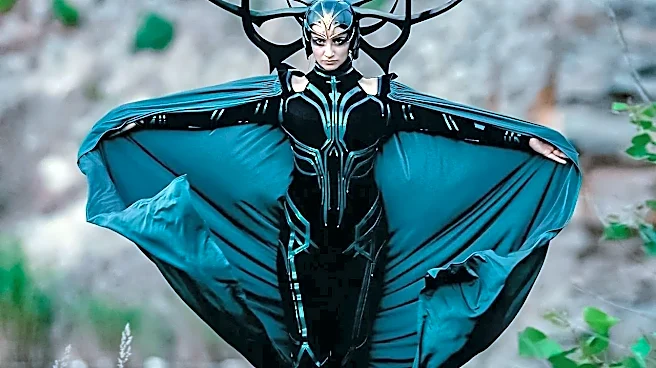
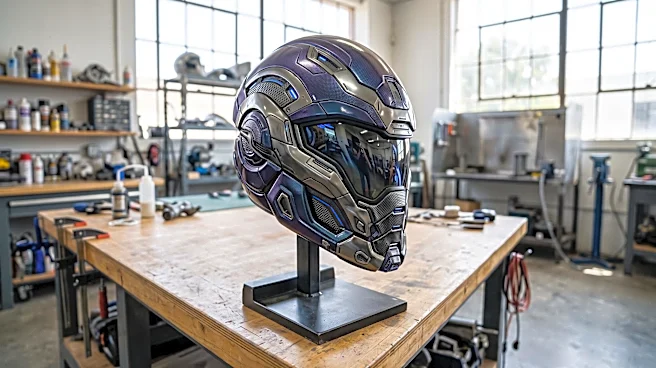
The exact same fabric-and-glue technique can be used to create something utterly unearthly. For an alien aesthetic, the focus shifts from organic decay to bizarre biology or otherworldly technology. Instead of distressing the fabric texture, designers might stretch it to create web-like patterns or layer it to build up chitinous, insectoid forms. The magic really happens during the painting stage. Iridescent and color-shifting paints can be applied over the textured surface to give it a shimmering, non-terrestrial quality, like the carapace of a strange beetle or the hull of an advanced starship. H.R. Giger's original design for the titular creature in Alien famously blended the organic with the mechanical, a principle that guides many alien armor designs. By using the fabric texture as a base, artists can create surfaces that feel both grown and manufactured, perfectly capturing that unsettling 'biomechanical' look that defines so much of science fiction's most memorable armor.
The Look of the Newly Forged
It might seem strange to use a texturing method to make something look brand new, but it's a perfect way to suggest masterful craftsmanship. A perfectly smooth, painted surface can sometimes look flat and plasticky on camera. A subtle texture, however, implies that the armor was hand-hammered or cast from a unique metal. For a 'newly forged' look, a finer fabric might be used, or the cheesecloth texture might be partially smoothed down before it fully dries. The key is in the paint job. After sealing, the piece is often coated with high-gloss metallic paints. To create the brilliant gleam of polished steel or bronze, artists use metallic waxes, like the popular brand Rub 'n Buff, which are rubbed onto the high points of the texture. This combination of a subtle underlying pattern with a brilliant, reflective finish gives the armor a sense of weight and value. It doesn't look weathered or alien—it looks expensive, powerful, and ready for its first glorious battle.