






The Art of the Unscripted Moment
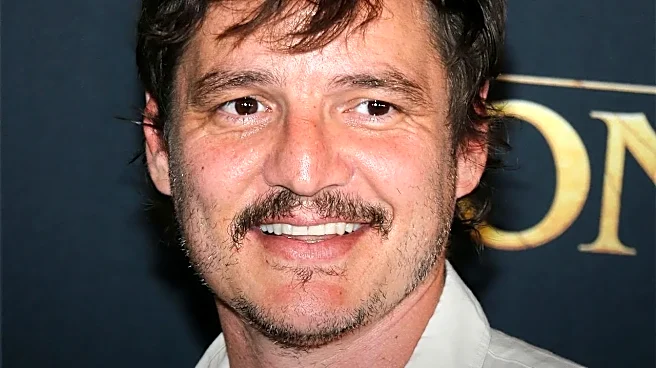
It’s a familiar scene: a massive stage, thousands of screaming fans, and a movie star presenting their next blockbuster. Yet when Pedro Pascal steps into the spotlight, something shifts. At events like CCXP Mexico, he has been visibly moved to tears by
the sheer volume of fan affection, a moment of raw emotion that stands in stark contrast to the polished, media-trained appearances we expect. This isn't an isolated incident. Viral clips show him seeking quiet support from co-stars like Vanessa Kirby on a packed Comic-Con stage, a moment of vulnerability that reveals the man behind the roles. Fans and colleagues describe him as funny, self-deprecating, and disarmingly genuine. Whether he's graciously interacting with fans who have waited hours for a signature or simply being present and human, Pascal’s convention persona is built on a foundation of unscripted, authentic connection.
So, What Is Cast-Led Brand Trust?
“Brand trust” is a term usually reserved for corporate marketing meetings, but its principle is simple: a consumer's faith in the credibility and integrity of a brand. In Hollywood, the brand isn't just a studio logo; it's the film or TV series itself. Cast-led brand trust is when an audience's connection with an actor is so strong that the trust and goodwill they feel for the person transfers to the project they represent. When a celebrity is perceived as credible and their public image aligns with the values they promote, it fosters a powerful bond with consumers. In an era of endless content and waning attention spans, this kind of trust is invaluable. Studios can spend millions on marketing, but nothing sells a story quite like a star who audiences genuinely believe in and want to support. This is where Pascal’s authenticity becomes a tangible asset.
The Pascal Playbook in Action
Pascal's ability to build this trust isn't magic; it's a series of consistent actions that treat fans as partners in the storytelling process. He doesn't just promote—he shares. By showing his own emotional investment, like his tearful gratitude when presenting The Mandalorian and Grogu, he makes the project feel like a shared dream between him and the audience. This authenticity is a powerful currency. His public support for his sister, Lux, and other social causes reinforces a persona of integrity that fans connect with on a personal level. In Hollywood, where celebrity personas can feel manufactured, Pascal's willingness to be vulnerable—admitting to anxiety or showing emotion—makes him relatable. This isn't just about being nice. It's about demonstrating a level of respect and openness that makes fans feel seen, valued, and more invested in the success of his projects.
Why Studios Benefit from the 'Pascal Effect'
The result is what could be called the 'Pascal Effect': a ripple of positive sentiment that benefits major brands like Disney and HBO. When Pascal stands on a stage representing The Mandalorian or The Last of Us, he’s not just an employee fulfilling a contractual obligation. He is the franchise's most effective ambassador, embodying the heart of the story. His genuine connection with fans translates into sustained online buzz, fervent fan loyalty, and an audience that is primed to be receptive before the first trailer even drops. The trust he builds is not just for himself but for the entire creative endeavor. His co-stars and collaborators speak of his warmth and professionalism, further solidifying the image of a team player who elevates everyone around him. In a risk-averse industry, an actor who can guarantee an engaged, trusting, and enthusiastic fanbase is the ultimate asset, turning every public appearance into a win for the brand.