



What Is Modular Design, Anyway?
At its core, modular design is about creating a garment from interchangeable parts. Think of it like building blocks for your costume. Instead of one static, unchangeable outfit, you have a core costume with elements that can be added, removed, or swapped
out. This is often achieved with clever use of fastenings like zippers, buttons, snaps, or even Velcro. The result is a single character concept that can transform to suit your needs, the day's events, or even tell a story. It’s a strategic approach that’s been used in everything from furniture to techwear, and it's perfectly suited for the dynamic environment of a fan convention.
The Foundation Is Everything
The key to a successful modular cosplay is a solid, comfortable foundation. This is the part of the costume that will stay consistent across all four days. It might be a simple tunic and pants, a bodysuit, or a basic dress. This base layer needs to be durable, well-fitted, and as comfortable as possible, since you'll be wearing it for long hours. Focusing on a high-quality base allows you to pour your creative energy into the modules—the pieces that will change. This is where you identify the character's most iconic elements and build from there. The base becomes the canvas upon which you’ll paint a different version of your character each day.
Swap, Add, and Transform
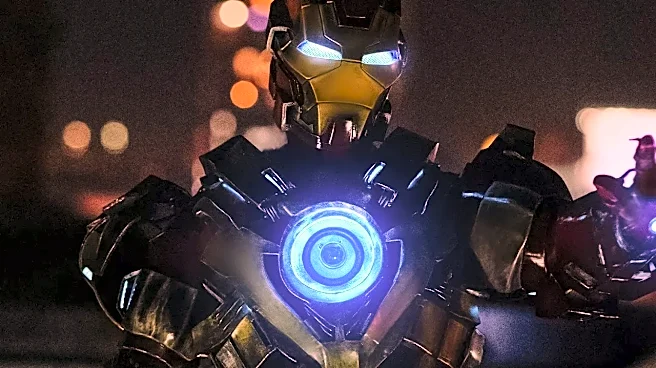
This is where the magic happens. A modular design for a four-day convention could mean starting simple and building up. Day one might be the character’s casual, civilian look. For day two, you could add pieces of armor, like gauntlets and pauldrons. Day three could be the full, battle-ready version with a helmet and prop weapon. For the final day, you might present a “battle-damaged” version, with torn fabric overlays and weathered paint on the armor. You could also have modules that are purely for different settings—a heavy cloak for dramatic photoshoots that can be removed for navigating the crowded dealer’s hall, or swapping formal boots for comfortable shoes without breaking character. This approach allows for incredible versatility from a single core outfit.
Storytelling Through Your Costume
Beyond pure practicality, a modular costume allows you to tell a story. Much like in film or theater, costume changes can signal a character's evolution. Your four-day convention journey can mirror your character's arc. Did they go from a humble beginning to a hero? Your costume can show that. Did they endure a great battle? The addition of scarred armor plates and a tattered cape on day three tells that story visually. This turns your cosplay from a static image into a narrative performance that unfolds over the weekend. It’s an engaging way for other fans to interact with your character, asking about the changes and following the visual progression you’ve laid out.
The Practical Perks of Going Modular
The benefits of modular design extend beyond aesthetics. Packing for a convention becomes exponentially easier when you're working with one core costume and a set of accessories instead of four distinct, bulky outfits. Repairs are also simpler; if a single pauldron breaks, you only need to fix that one piece, not an entire breastplate. And most importantly, it addresses comfort. Wearing heavy armor or a restrictive gown for eight hours is taxing. A modular approach lets you wear the most comfortable version of your cosplay while walking the floor, and then add the more elaborate, cumbersome pieces for a specific photoshoot or the masquerade competition. It's a smarter, more sustainable way to approach the hobby, reducing both physical strain and the pressure to create multiple costumes from scratch.