


The New Power Play: From Star to Auteur
It’s no longer a novelty to see a familiar face in the director’s chair. The path from actor to filmmaker has become a well-trodden one in Hollywood, populated by heavyweights like Ben Affleck, whose tense thrillers ('Argo', 'The Town') have earned him
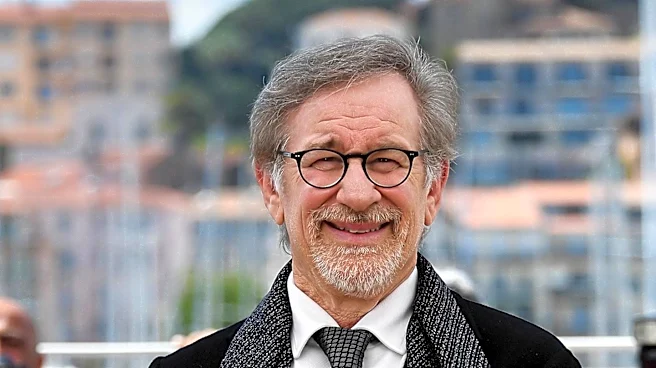
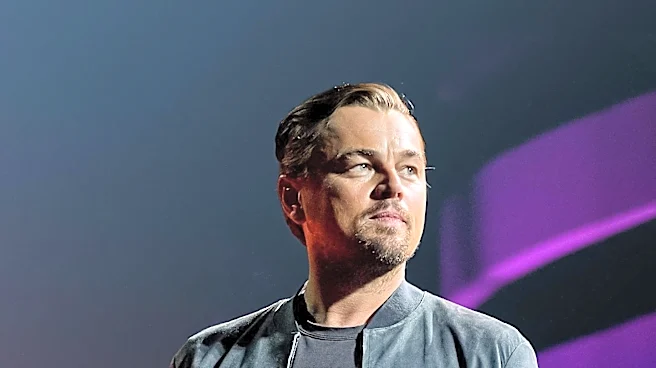
more acclaim as a director than many of his starring roles. Bradley Cooper turned his A-list status into the directorial clout needed to remake 'A Star Is Born' into a box office and awards magnet. And female creators like Greta Gerwig ('Lady Bird', 'Little Women') and Olivia Wilde ('Booksmart') have leveraged their industry experience to become some of the most exciting new voices in American film. This shift represents more than just a career change; it’s about creative control. For actors who have spent years serving another person’s vision, directing offers the ultimate opportunity to become the author of their own work, shaping stories from the ground up.
Two Paths Diverged in Hollywood
Not all actor-directors are cut from the same cloth. One common archetype is the 'Blockbuster Auteur'—stars like Affleck, Cooper, or Jon Favreau, who use their commercial clout to helm big-budget, mainstream projects. They know how the studio system works and can translate their on-screen charisma into large-scale cinematic events. On the other end of the spectrum is the 'Indie-Cred Visionary'. Think of Jordan Peele, who transitioned from sketch comedy to become a master of the modern horror film, or Gerwig, whose directorial work is deeply personal and character-focused. These filmmakers often use their platform to explore niche genres or tell intimate stories that might not otherwise get made, trading blockbuster budgets for artistic freedom. Their success has proven that an actor's unique sensibility can be a powerful directorial tool.
Eisenberg: The Character Actor's Thesis
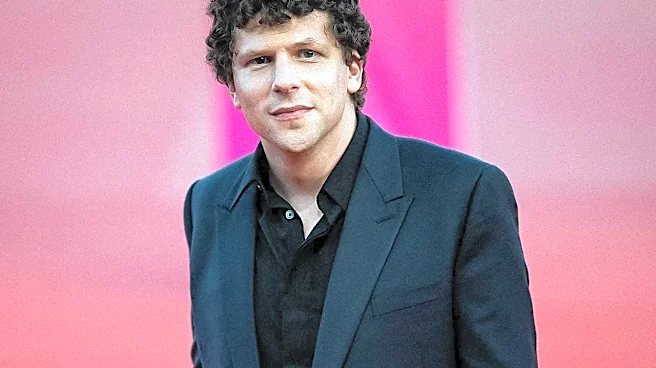
So, where does Jesse Eisenberg fit into this landscape? His entire career has been built on a specific persona: the intelligent, articulate, and deeply anxious intellectual. From his Oscar-nominated turn in 'The Social Network' to his roles in films like 'The Squid and the Whale', he has perfected a brand of neurotic charm. His directorial efforts feel like a natural extension of that on-screen identity. His first film, 'When You Finish Saving the World', explored the strained relationship between a politically active mother and her influencer son. Now, his latest work continues this thematic journey. He isn't aiming for the commercial scale of a Ben Affleck. Instead, Eisenberg represents a third path: the 'Character Actor's Thesis'. He uses directing to double down on the very themes and character types that have defined his acting career, creating a body of work that is cohesive, personal, and unapologetically his own.
A Prestigious Nod for a Personal Vision
Eisenberg’s new film, reportedly titled 'The Debut', will close the 70th BFI London Film Festival on October 18, 2026. The film, a comedy-drama, is said to follow a shy woman who finds a new identity through community theater. This closing night slot is a significant endorsement. The BFI London Film Festival is one of the world's most respected film showcases, and its closing gala is reserved for major, anticipated works. For Eisenberg, this isn't just a premiere; it's a coronation. It validates his specific, less bombastic approach to filmmaking. While his earlier film 'A Real Pain'—which saw him and Kieran Culkin as cousins on a Holocaust heritage tour in Poland—was a critical success, securing the prestigious BFI closing spot signals that his work is being recognized on a major international stage. It proves that an actor's vision, when honed and specific, can be as powerful and resonant as any a director could offer.