
From Hollywood Novelty to Main Street Staple
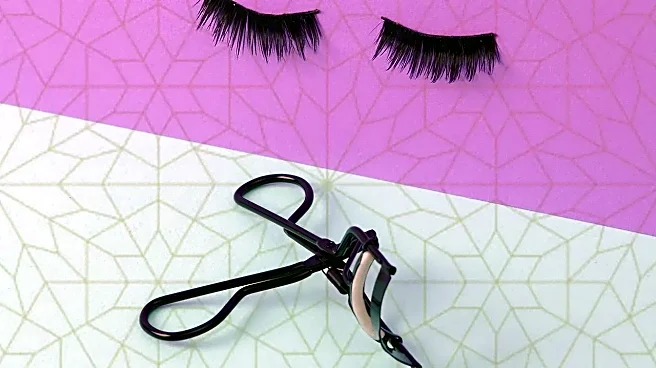
The journey of the false eyelash began not as a beauty staple, but as a cinematic experiment. In 1916, director D.W. Griffith wanted an actress’s eyes to look “supernatural,” leading a wigmaker to craft the first set from human hair. For decades, they
remained largely the domain of Hollywood stars like Marilyn Monroe and later, 1960s style icon Twiggy, who popularized a bold, doll-like look. While brands like Max Factor made them more available, false lashes were still seen as costume-like and reserved for the most glamorous moments. Until the turn of the millennium, mascara was the undisputed king of lash enhancement for the average person.
The Social Media and Influencer Boom
The 21st century, and particularly the rise of social media, changed everything. Platforms like YouTube, Instagram, and TikTok demystified the once-tricky application process. Beauty influencers created thousands of tutorials, showing viewers how to trim, glue, and place lashes for any eye shape. This digital mentorship turned a professional trick into a DIY skill. Suddenly, the “Instagram Face”—a polished look characterized by flawless skin, contoured features, and full, dramatic eyes—became an aspirational, and achievable, aesthetic. The filter-friendly look, heavily reliant on a strong eye, pushed false lashes from an occasional accessory into an everyday necessity for many. This shift is reflected in the market, which has seen steady growth fueled by social media trends and a desire for customizable beauty.
A Language of Styles
Today’s false eyelash isn’t a one-size-fits-all product. It’s a nuanced language of personal expression. There are subtle “natural” strips for a gentle boost, wispy clusters for a fluttery effect, and dense, dramatic “mega-volume” sets for a bold statement. The choice of lash—be it faux mink, silk, or even magnetic—allows the wearer to curate their identity. Do you want to project soft glamour or unapologetic confidence? There’s a lash style for that. This variety has made eyelashes a powerful tool for self-expression, allowing individuals to alter their appearance to match their mood, outfit, or the persona they wish to project on a given day.
An Undeniable Economic Force
The quiet takeover of false lashes is also a story of economic power. The U.S. market was valued at over $600 million in 2025 and is projected to grow significantly, reaching nearly a billion dollars by the early 2030s. This boom isn’t just about strip lashes sold in drugstores. It encompasses a massive service industry of lash extension salons, where technicians apply semi-permanent lashes, as well as a growing market for DIY extension kits. The trend has created careers for lash artists and entrepreneurs, cementing its place not just in our makeup bags, but in our economy. The demand for products that are long-lasting, cruelty-free, and sustainable is also shaping the industry's future.