

The Delicious, Fleeting Shock
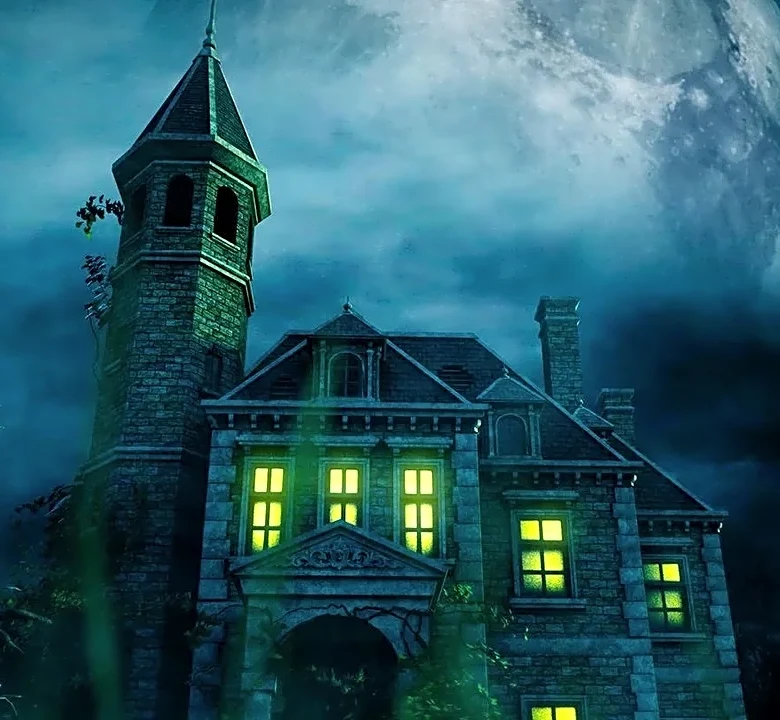
Let's be clear: the jump scare is the bread and butter of Halloween Horror Nights. The creative teams at Universal are artists of the adrenaline spike. You creep through a dimly lit, impossibly detailed haunted house, your senses on high alert. You know
something is coming. The tension builds as you round a corner, your eyes scanning a gruesome tableau. Then, from the one spot you didn't check, a scareactor lunges with a perfectly timed shriek. You scream, you laugh, you grab the person next to you. It works every single time. This is the core transaction of the event—an exchange of a ticket for a series of controlled, expertly delivered frights. It’s a physiological thrill ride, and there's nothing wrong with enjoying that visceral rush of panic. It’s why the lines snake around the park for houses based on the biggest names in horror and Universal's own terrifying original concepts.
Why You Don't Remember the Scares
Here's the thing about that perfect jump scare: it's almost immediately forgotten. By the time you’ve exited the house and your heart rate has returned to normal, the specifics are already getting hazy. Was it a zombie, a cultist, or a monstrous creature? Which dark corner did it come from? The sheer volume of scares you experience over the course of a night means they all tend to blend into a single, generic memory of being startled. The conga-line format of the houses, designed to get a massive number of people through, often means you see the scare coming a few people ahead of you, or it gets triggered for the group behind. The immediate reaction is potent, but its half-life is incredibly short. It’s like a shot of espresso—a quick, effective jolt that doesn’t sustain you.
The Moments That Become Legends
So, what do you actually remember weeks, months, or even years later? You remember the stories. You don’t retell the tale of how a monster jumped from a wall. You retell the story of how your friend was so scared he ran directly into the person in front of him, creating a domino effect of flailing limbs. You talk about the scareactor in a scare zone who broke character for a split second to silently high-five a kid, or the one who followed your group for a solid 50 feet, wordlessly upping the psychological dread. These moments are unscripted, personal, and often hilarious in hindsight. The most memorable parts of HHN are frequently the ones that happen between the planned scares—the atmospheric dread of a scare zone, the incredible set design you stopped to admire, or a funny interaction with a roaming horde of chainsaw-wielding fiends.
An Engine for Shared Memories
Ultimately, Halloween Horror Nights is a communal event. You go with friends, you brave the fog-filled streets together, and you survive the houses as a group. The event is a backdrop for creating your own narrative. The scares are just prompts. The real story is how your group reacts to them. It's the inside jokes that develop, the debates over which house was the most creative, and the shared laughter that immediately follows a scream. The retelling is a crucial part of the experience. When you say, "Remember at Horror Nights when…" you're not just recounting an event; you're reinforcing a bond. The genius of HHN isn't just its ability to make you scream—it’s its power to give you a story worth telling long after the fog has cleared.