







The Unstructured Revolution
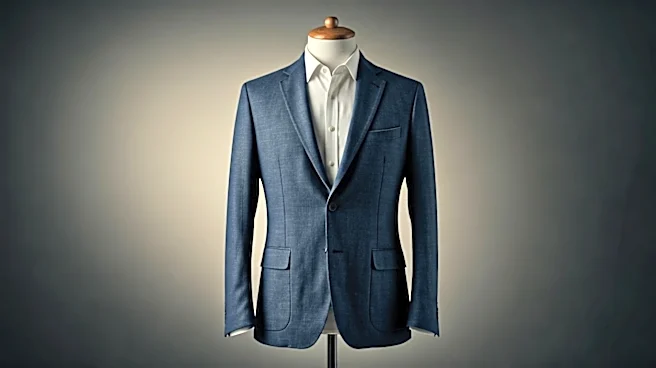
First, let's talk about what this suit even is. For decades, the default American suit was a rigid piece of armor. It had padded shoulders, a stiff chest canvas, and a structure designed to project power in a boardroom. An 'unstructured' suit is the antithesis
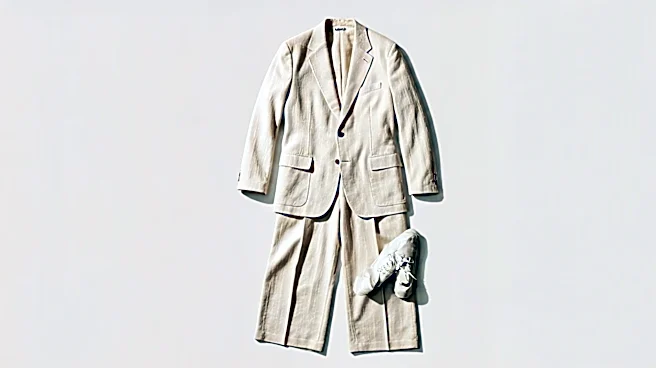
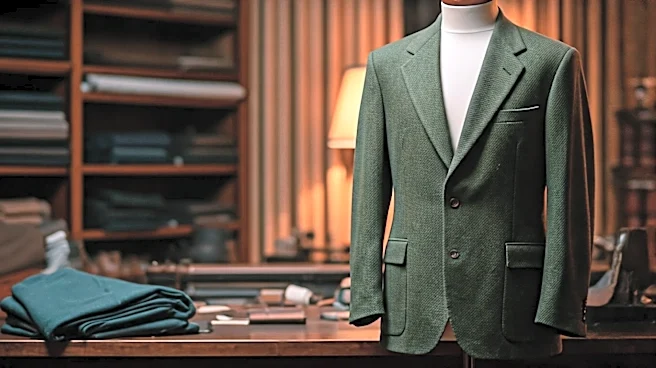
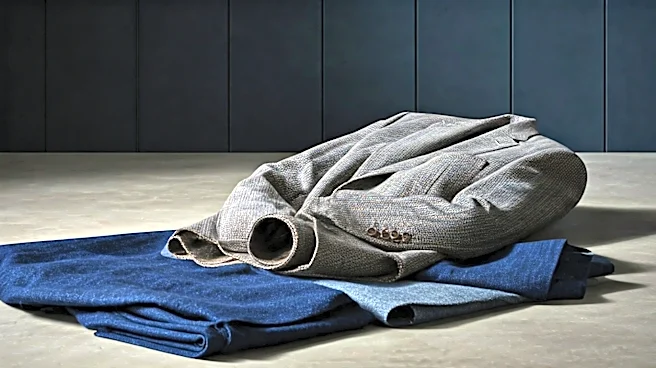
of that. Imagine a suit jacket that feels more like a heavy shirt or a cardigan. The shoulder has no padding, allowing it to follow your natural body line. The internal construction is minimal, making it lighter, more breathable, and infinitely more comfortable. This isn't just a minor design tweak; it's a fundamental shift in philosophy. The goal is no longer to fit you into a uniform, but to provide a piece of clothing that moves with you. It’s tailoring that whispers confidence rather than shouting authority. This construction makes the suit feel less like an obligation and more like a genuinely enjoyable thing to wear, breaking down the artificial barrier between formal and casual.
The Power of the Capsule
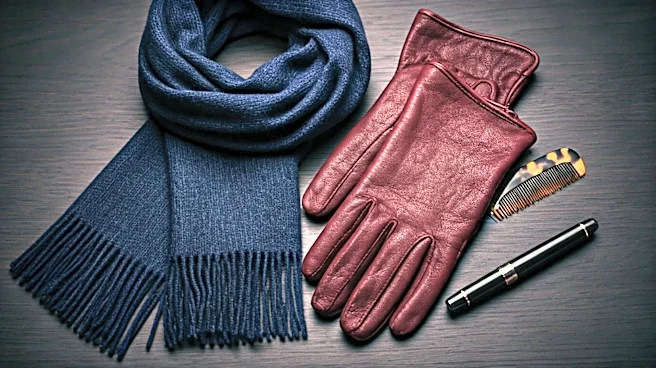
The second key idea here is the 'capsule.' This isn't about owning just one suit. It’s about using one perfect suit as the anchor for a small, ruthlessly efficient wardrobe. The concept, which has gained traction amid conversations about sustainability and minimalism, is about maximum versatility from minimum items. The unstructured navy suit is the ideal centerpiece. Its color is universally appropriate, and its soft construction means the pieces can be broken up and worn separately without looking orphaned. Suddenly, the suit jacket isn't just a suit jacket; it's a blazer you throw over a t-shirt and chinos. The trousers aren't just suit pants; they’re what you wear with a knit polo or a casual button-down. By building a capsule around this one item—adding in a few quality shirts, a good pair of jeans, and versatile shoes—you can create dozens of outfits. It’s the ultimate argument for buying fewer, better things.
From Airport to Wedding
The true genius of this approach lies in its practicality for the modern American man's life. The traditional suit had a narrow purpose. You wore it to the office, to a wedding, or to court. The unstructured suit, however, is a chameleon. Worn together with a dress shirt and tie, it’s sharp enough for any formal occasion. But its real value is in its ability to deconstruct. Heading to the airport? The soft jacket is as comfortable as a sweatshirt but makes you look instantly put together. Going out for a nice dinner? Pair the trousers with a cashmere sweater. Meeting friends for brunch? The jacket over a white tee and dark jeans is a timeless, sophisticated look. This single garment eliminates the mental fatigue of 'what to wear' for a huge range of scenarios. It’s the uniform for a life that no longer fits into neat, pre-defined boxes.
A Symbol of a New Masculinity
Ultimately, the rise of the unstructured suit capsule at a place like Pitti Uomo matters because it reflects a deeper cultural shift. It’s a move away from the rigid, performative masculinity of the 20th-century corporate world. That old suit was about projecting an image of conformity and seriousness. This new approach is about ease, self-assurance, and individuality. It embodies the Italian concept of *sprezzatura*—a studied carelessness that makes style look effortless. It suggests a man who is comfortable in his own skin and doesn't need shoulder pads to feel powerful. He values comfort, versatility, and intelligence in his choices. In a world where dress codes have all but vanished, this suit provides an answer. It’s not about following old rules, but about having the perfect tool to create your own.