





The Living Room as the Colosseum
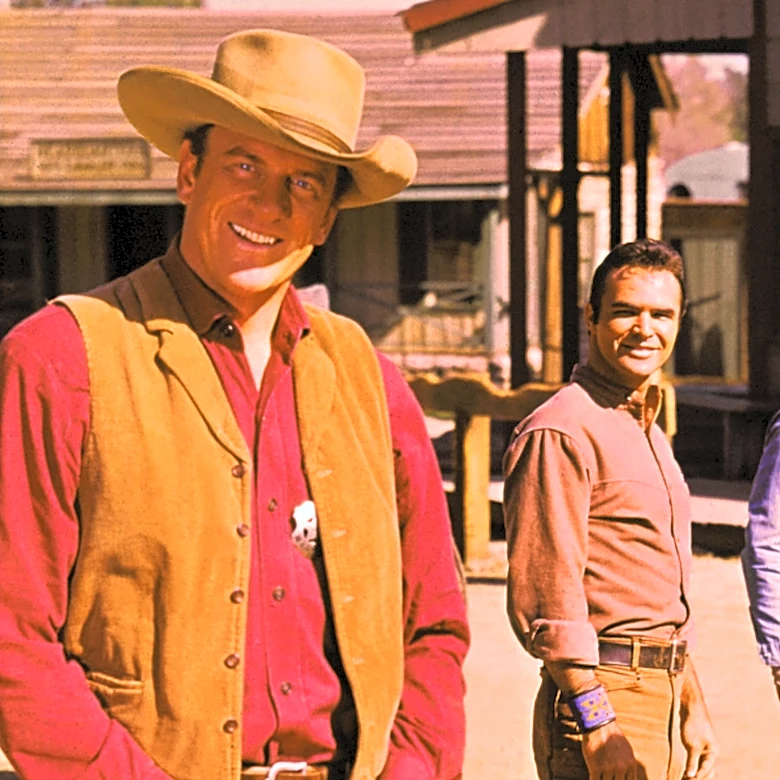
The classic TV watch party has deep roots, stretching back to when a television set was a rare neighborhood spectacle. Through the decades, it became a cultural institution. Major television events weren't just broadcasts; they were reasons to gather.
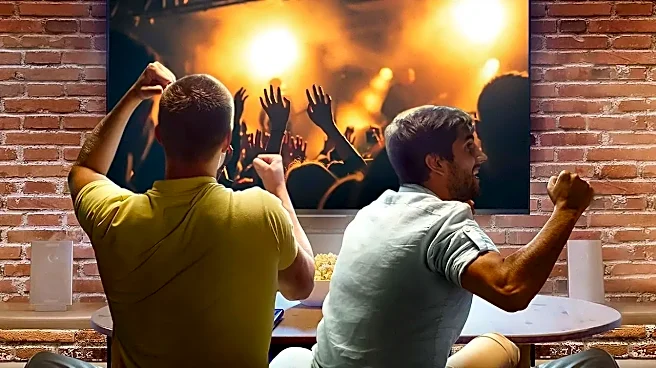
Millions planned their nights around the finales of shows like MASH in 1983 or Seinfeld* in 1998, turning living rooms and bars into communal theaters. This was event television in its purest form—a shared, physical experience where the reactions of the people next to you were as much a part of the show as the action on screen. The stakes were simple: be there, or miss out on the collective moment entirely.
When Hashtags Became the Guest List
The first major shift came not from television, but from social media. The rise of Twitter in the late 2000s and early 2010s created a new, digital public square. This is where the "second screen" was truly born. Shows like ABC's Scandal became pioneers, not just by being on TV, but by creating a conversation around it. Creator Shonda Rhimes and the cast, led by Kerry Washington, began live-tweeting during episodes, responding to fans and adding commentary in real time. This masterstroke transformed passive viewing into active participation. Suddenly, you didn't need to be in the same room to feel part of a collective. The official hashtag became the party's address, and your phone was your ticket in. Networks realized that this social buzz could drive live viewership, a crucial metric in the burgeoning age of on-demand streaming.
From Text Feeds to Visual Feasts
While Twitter laid the groundwork, the second-screen experience quickly evolved beyond 280 characters. The explosion of visually driven platforms like Instagram and TikTok, coupled with the rise of dedicated community apps, fragmented and enriched the ritual. The conversation was no longer just a stream of text. It became a multimedia collage of reaction GIFs, meme edits, and video commentary. During a pivotal episode of a show like The Bachelor or Game of Thrones, a fan's second screen might be flooded with real-time polls, fan art, and elaborate theories. This multimedia evolution catered to a more fractured attention span, where viewers could dip in and out of different conversations across multiple apps, all while the main show played on the primary screen.
Enter the Walled Gardens: Discord and Reddit
As the public square of Twitter grew crowded, many fans sought more intimate, focused communities. This led to the rise of platforms like Reddit and Discord as the new hubs for TV fandom. Subreddits for shows like The Boys or classic sitcoms became vast libraries for discussion and theory-crafting. Discord, with its real-time chat, voice channels, and organized structure, offered a digital version of the living room couch. Fans now organize virtual watch parties where they can be on a voice call while streaming an episode, recreating the immediacy of an in-person gathering. These platforms allow for deeper, more sustained conversations, moving beyond fleeting reactions to build lasting fan communities around a shared love for a show.
The 2026 Ritual: Alone, But Together
By 2026, the watch party has fully atomized into a personalized, multi-screen ritual. A typical viewer might have the show on their TV, a private Discord chat with close friends on their laptop, the official subreddit's live discussion thread open on their tablet, and TikTok open on their phone to catch instant video memes. Broadcasters and streaming services no longer see the second screen as a threat but as an integral part of the experience, developing companion apps, official hashtags, and interactive polls to keep viewers engaged within their ecosystem. The experience of "watching together" is now a complex, layered activity—less about a shared physical space and more about navigating a shared digital universe, all from the comfort of your own couch.