


The Unmatched Longevity
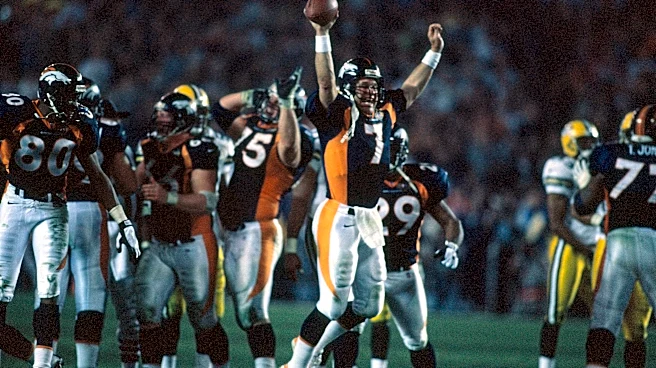
In sports where careers are often brutally short, Buffon and Manning achieved near-mythical endurance. Manning played 18 seasons in the NFL, a league where the average career is just over three years. He retired at 39 after winning a Super Bowl, a storybook
ending to a career that included a record five MVP awards. But Buffon’s longevity is in a class of its own. The Italian goalkeeper played professionally for an astonishing 28 years, finally retiring at the age of 45. He made his senior debut for Parma in 1995 and played his final match for the same club in 2023. To put that in perspective, when Buffon started his career, Manning was still a college sophomore. While Manning redefined what was possible for a quarterback into his late 30s, Buffon stretched the timeline of an elite athlete to its absolute limit, collecting 10 Serie A titles and a World Cup along the way.
The Art of On-Field Command
Both men were more than just players; they were on-field generals who commanded their units with absolute authority. Manning, nicknamed "The Sheriff," was famous for his obsessive preparation and his control at the line of scrimmage. He didn't just run plays; he deconstructed defenses in real-time, using his famous "Omaha!" audible and a flurry of hand signals to change the play seconds before the snap. He was, in effect, a coach on the field, diagnosing threats and exploiting weaknesses that others couldn't see. Buffon exerted a similar command from the opposite end of the field. As a goalkeeper, he was the last line of defense and the first organizer. His authority wasn't in audibles, but in his constant, booming instructions to his backline, positioning defenders and anticipating attacks before they materialized. For legendary teams like Juventus and the Italian national squad, his voice was the anchor of their defensive identity, a commanding presence that inspired confidence and demanded perfection.
The Weight of Old-School Authority
What truly links these two icons is their brand of "old-school" authority. This wasn't about yelling for the sake of it, but about earning a level of respect so profound that their will became the team's will. This authority was built on a foundation of unmatched work ethic, accountability, and an unwavering commitment to their craft. They led not by demanding respect, but by commanding it through performance. In an era of increasing player-led empowerment, both Manning and Buffon were throwbacks to a time when a single, dominant figure could set the entire tone for a franchise. Their authority was rooted in substance; they were often the most prepared, most dedicated, and most durable players on their teams. When they spoke, teammates listened not just because of their talent, but because they had earned the right to lead through decades of excellence.
Two Different Paths to Immortality
Though they shared a similar leadership DNA, their paths to legendary status were shaped by their sports. Manning's career is measured in statistical dominance—retiring as the NFL's all-time leader in passing yards and touchdowns—and two Super Bowl victories with two different franchises. He conquered the ultimate prize in American professional sports and set individual records that stood for years. Buffon’s journey was a testament to both club and country. His crowning achievement was winning the 2006 FIFA World Cup with Italy, a moment of national triumph where he conceded only two goals the entire tournament. While the Champions League trophy eluded him, his 10 domestic league titles and his decision to stay with Juventus when they were relegated in 2006 cemented his legacy of loyalty and leadership above all else.