



The Old 20-Year Rule
For decades, pop culture operated on a fairly predictable clock: the 20-Year Rule. This theory suggested that trends in fashion, music, and film become nostalgic—and thus cool again—about two decades after their peak. The 1970s looked back on the '50s,
the '90s romanticized the '70s, and so on. This rhythm was based on a simple generational logic: the kids who grew up with a certain cultural product become the adults with purchasing power and creative control 20 years later. They want to revisit the things they loved, introducing them to a new, younger audience who sees the trend as retro and fresh. For a long time, this gap provided enough distance for an original to feel 'classic' before it was ripe for a comeback. A ten-year-old movie was just seen as dated, not yet vintage.
Streaming and the Death of 'Old'
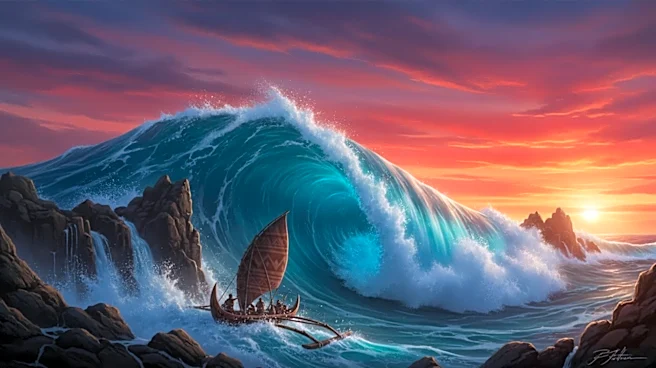
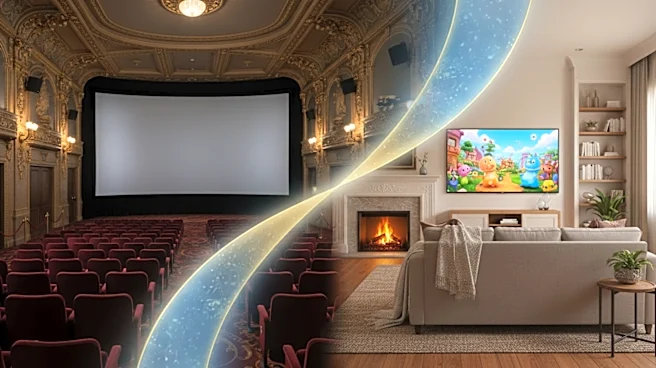
The streaming era has completely dismantled that timeline. In a world of on-demand libraries from Netflix to Disney+, the concept of a movie 'going away' is gone. A film from 2016, like Moana, doesn't need to be rediscovered; for a child watching it for the first time today, it's brand new. Streaming platforms have a vested interest in keeping their intellectual property (IP) in constant circulation. Nostalgia has become a key marketing tool to drive subscriptions and fill the content pipeline, where older, beloved shows often outperform new originals. This creates a landscape where the past isn't a distinct era to be revisited, but a perpetual present, always accessible. The serendipity of catching a rerun on cable is gone, replaced by an infinite, curated library where time collapses.
IP Is a Perpetual Motion Machine
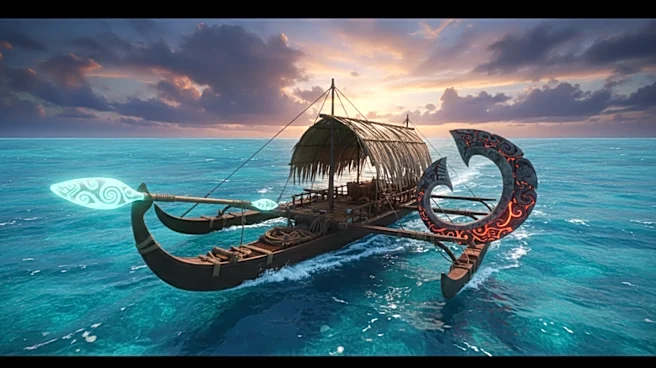
From a studio's perspective, a remake isn't just a creative do-over; it's a low-risk financial strategy to maximize the value of its most precious asset: intellectual property. Why gamble millions on an unproven, original idea when you can invest in a story with a built-in audience and proven market appeal? A live-action remake of an animated hit like Moana allows Disney to capitalize on its own IP without paying for external rights. It's an IP refresh. The new version becomes another lucrative branch of the franchise, generating fresh box office revenue, new merchandising opportunities, and a different kind of viewing experience that can coexist with the original. This approach is seen as a safer bet for securing financing and guaranteeing a return in a risk-averse industry.
The Generational Hand-Off
The new, shorter remake cycle also serves a powerful social function: the generational hand-off. The live-action Moana arriving just 10 years after the original isn't aimed at the people who were young adults in 2016. It's for the kids who were toddlers then, and for their parents who want a new way to share a beloved story. The remake becomes a family event, a shared cultural experience that bridges a smaller generational gap. Dwayne Johnson, who starred in the original and is producing the remake, is essentially passing the torch. The remake allows parents to introduce a story from their own recent memory to their children in a spectacular new format, ensuring the IP remains relevant not just for the original audience, but for the next one, too.