
The Power Play Absence
There are levels to fame, and then there’s being so famous you don’t need to show up. This is the power play absence, a chess move reserved for the industry’s top tier. When an artist like Beyoncé or Taylor Swift skips the VMAs, it’s rarely seen as an oversight.
Instead, it’s a statement. Beyoncé’s attendance has been sparse since her record-breaking 2016 appearance, making any potential return a major news event. Similarly, after years of VMA-centric drama and major moments, a Swift absence is often interpreted as a strategic choice, a sign she is focused on a new album or simply operating on a level that doesn't require annual validation. For these artists, not attending reinforces their status. Their gravity is such that their absence is felt more profoundly than the presence of many who did walk the red carpet. It telegraphs that they are not just part of the pop culture conversation; they are the conversation.
The Narrative-Driven Snub
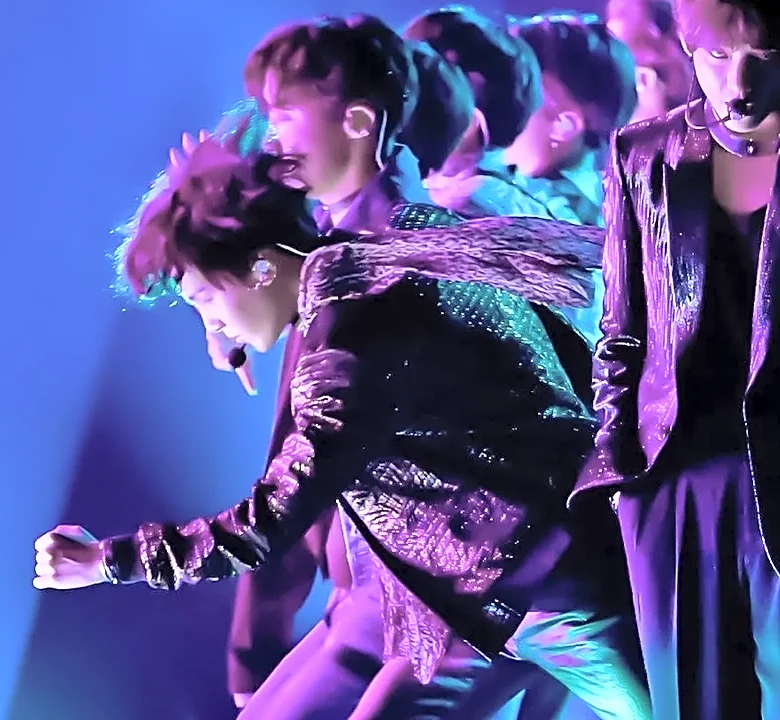
Not every absence is a quiet power move. Sometimes, it’s a megaphone. When an artist who feels wronged by the nomination process, or is embroiled in a public feud, decides to stay home, the message is clear. This is the protest absence. The most legendary example, of course, revolves around Kanye West, whose history with the VMAs is a saga of interruptions and provocations. An artist skipping the show after a perceived snub can dominate the pre-show discourse, turning their non-attendance into an act of defiance. More recently, fanbases have become central to this narrative. When an artist like BTS is left out of a major category, their global fanbase, ARMY, can create a firestorm online, making the group’s absence from the nomination list a bigger story than the nominations themselves. The empty seat in these cases represents a grievance, a visible symbol of a dispute playing out in public.
The Logistical Reality
Of course, not every no-show is an elaborate statement on fame or industry politics. Often, the reason is far more mundane: scheduling. Stars like Ariana Grande and Billie Eilish have missed the ceremony while on international tours, a simple reality of conflicting professional commitments. For artists with packed global schedules, a trip to New Jersey for an awards show may simply be impossible. Personal life also intervenes. Travis Barker notably left his band's European tour to be with his wife Kourtney Kardashian during a medical emergency, making a VMA appearance a clear non-priority. These absences serve as a reminder that behind the larger-than-life personas, artists are people with jobs to do and lives to live, and sometimes, those responsibilities just don't align with the awards show calendar.
The Mystery That Fuels Speculation
Perhaps the most fascinating absences are the ones that come with no explanation. When a nominated and expected star is suddenly a no-show, the void is instantly filled with fan theories and media speculation. Is there a secret project in the works? Is there personal drama brewing behind the scenes? Is the artist sending a coded message? In 2021, when Ariana Grande didn't attend despite multiple nominations, reports noted she had been more private since her recent marriage, leading to speculation about a new chapter in her life. In other cases, an artist in the midst of a public controversy may choose to lie low. The absence of Lizzo and Machine Gun Kelly from the 2023 ceremony was quickly linked to their respective ongoing personal and legal battles, turning their non-attendance into a tacit acknowledgment of the situation. In these instances, the mystery becomes the story, with fans and pop culture detectives working to piece together the clues.