









The Tyranny of Distance
The 2026 World Cup is the largest in history, hosted not by one country, but three: the United States, Canada, and Mexico. The sheer geographic spread is staggering, with 16 host cities from Vancouver to Mexico City and Boston to Los Angeles. For fans,
this isn't a tournament contained within a convenient rail network; it's a continent-spanning odyssey. Following a team could mean navigating multiple international border crossings, thousands of miles of air travel, and radically different urban environments. Unlike a TV viewer who can seamlessly jump from a match in Seattle to one in Miami, attending fans face a logistical gauntlet. Many venues are in suburban locations with limited public transit, making pre-booked car services or navigating surge-priced rideshares a necessity. Some stadiums, like those in Arlington, Texas, and Foxborough, Massachusetts, are notoriously isolated from city centers, adding another layer of complexity to the fan journey.
The Price of Passion
This tournament is officially the most expensive World Cup in history. FIFA has employed dynamic pricing, where ticket costs fluctuate with demand, pushing prices to unprecedented levels. General public entry tickets start at over $100 for group stage matches, with the cheapest tickets for the final costing thousands. But tickets are just the beginning. One study suggested the average cost for two fans to follow their team to the final could be over $60,000, factoring in flights, hotels, and tickets. The costs are so high because every aspect is subject to surge pricing. Round-trip train tickets from downtown Boston to Gillette Stadium that normally cost $20 have been reported to be as high as $80 on match days. In some host cities, weaker-than-expected hotel demand has been noted, partly because the high costs and logistical hurdles are causing some international travelers to reconsider their plans.
An Atmosphere Remixed
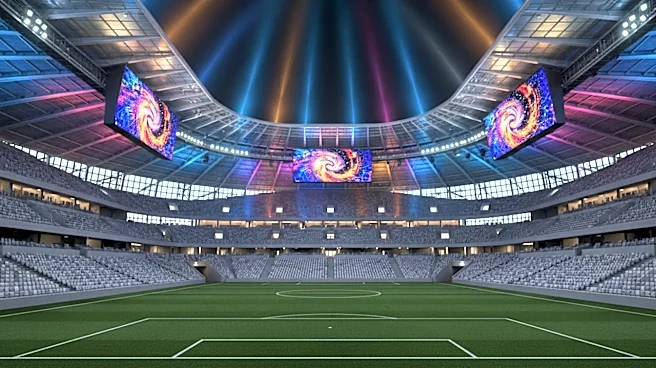
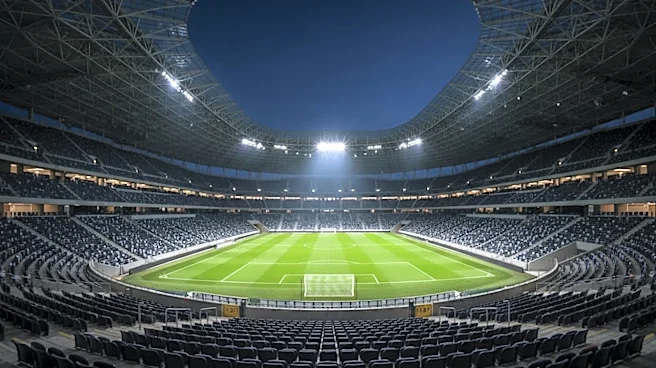
For many international fans, the venue itself is part of the culture shock. The tournament is being played largely in massive, technologically advanced NFL stadiums. These are not the intimate, cauldron-like grounds of European or South American soccer; they are high-tech entertainment complexes. Venues like SoFi Stadium in Los Angeles and AT&T Stadium in Dallas are architectural marvels, designed for spectacle with enormous video boards, luxury suites, and even air conditioning. While visiting fans have been impressed by the scale and amenities, it creates a different vibe. The atmosphere is less about the raw, organic roar of a traditional soccer ground and more about a produced, all-encompassing media experience. However, the mix of diverse international supporters and local American fans has created its own unique and often positive energy, with fan marches and vibrant gatherings in cities like Vancouver becoming a memorable part of the event.
The Unbroadcastable Experience
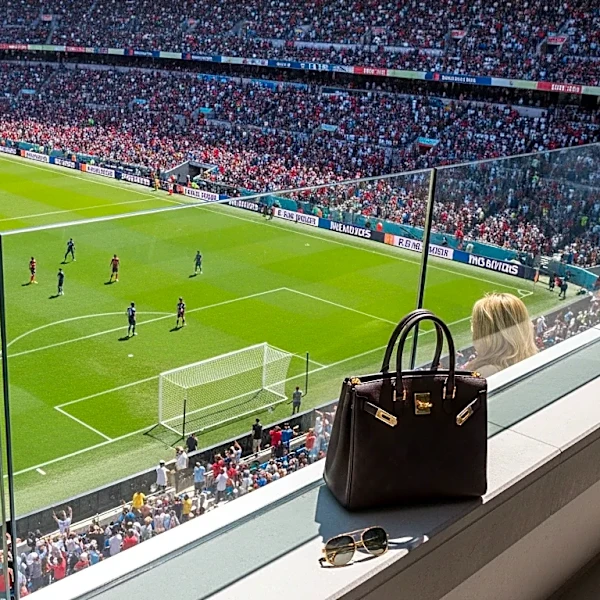
While TV delivers a flawless product, it can't capture the friction and spontaneity of being there. Immigration and visa issues have reportedly made travel difficult for fans from a quarter of the qualifying nations, shaping the makeup of the crowds in the stands. In some cities like Seattle, local businesses have reported a downturn in sales, as the expected tourism boom didn't fully materialize, possibly due to high travel costs and lodging scarcity created by tournament organizers block-booking hotels. Yet, for those who make the journey, the experience is about more than just the 90 minutes on the pitch. It's about being accidentally caught up in America's 250th birthday celebrations, being invited to a backyard barbecue by locals, or turning a Walmart into a temporary fan zone. It’s the shared struggle and triumph of navigating a complex event that forges a bond between fans that no broadcast can replicate.