




In an era of blockbuster holiday spectacles, 'A Charlie Brown Thanksgiving' feels like a quiet miracle. Its plot is simple, its stakes are low, and its meal is famously awful. And yet, that's precisely where its enduring power lies.
The Perfect Imperfection of a Popcorn Dinner
The centerpiece of
the special is, of course, the disastrous meal. When Peppermint Patty invites herself and friends over, Charlie Brown, who admits he can only make 'cold cereal and maybe toast,' panics. What follows is a child's idea of a feast: buttered toast, pretzel sticks, popcorn, and jelly beans, served on a ping-pong table in the backyard. Peppermint Patty is initially outraged, demanding a traditional turkey dinner. But the scene's genius is that it's not a failure; it’s a perfect depiction of childhood sincerity. The meal represents a kid's best effort to replicate an adult tradition with the tools available. It’s a low-stakes problem that feels monumental, capturing the angst and earnestness of being young.
A Story Without Villains
Modern holiday movies often rely on high drama—family feuds, cartoonish villains, or last-minute crises. 'A Charlie Brown Thanksgiving' has none of that. The primary conflict comes from a social mix-up and a pushy but well-meaning friend. Peppermint Patty isn't malicious; she just has expectations Charlie Brown can't meet. The resolution isn't a dramatic victory, but a quiet moment of understanding. Marcie gently reminds Patty that she invited herself, prompting an apology that is itself outsourced to Marcie before Patty delivers it herself. This small-scale conflict keeps the focus where it belongs: on the gentle, awkward negotiations of friendship and the importance of grace.
The Quiet Acknowledgment of Holiday Melancholy
True to Charles Schulz's style, the special doesn't shy away from the underlying sadness that can accompany holidays. 'Holidays always depress me,' Charlie Brown confesses at the start. This wasn't the idealized, perpetually cheerful childhood often seen on television. Schulz's work always made room for complex feelings, acknowledging that big events can bring anxiety and a sense of inadequacy. The special’s gentle, jazzy score by Vince Guaraldi enhances this contemplative mood. By allowing its main character to feel lonely and overwhelmed, the special validates an experience many viewers, young and old, feel but rarely see reflected on screen.
Simplicity Is Its Own Reward
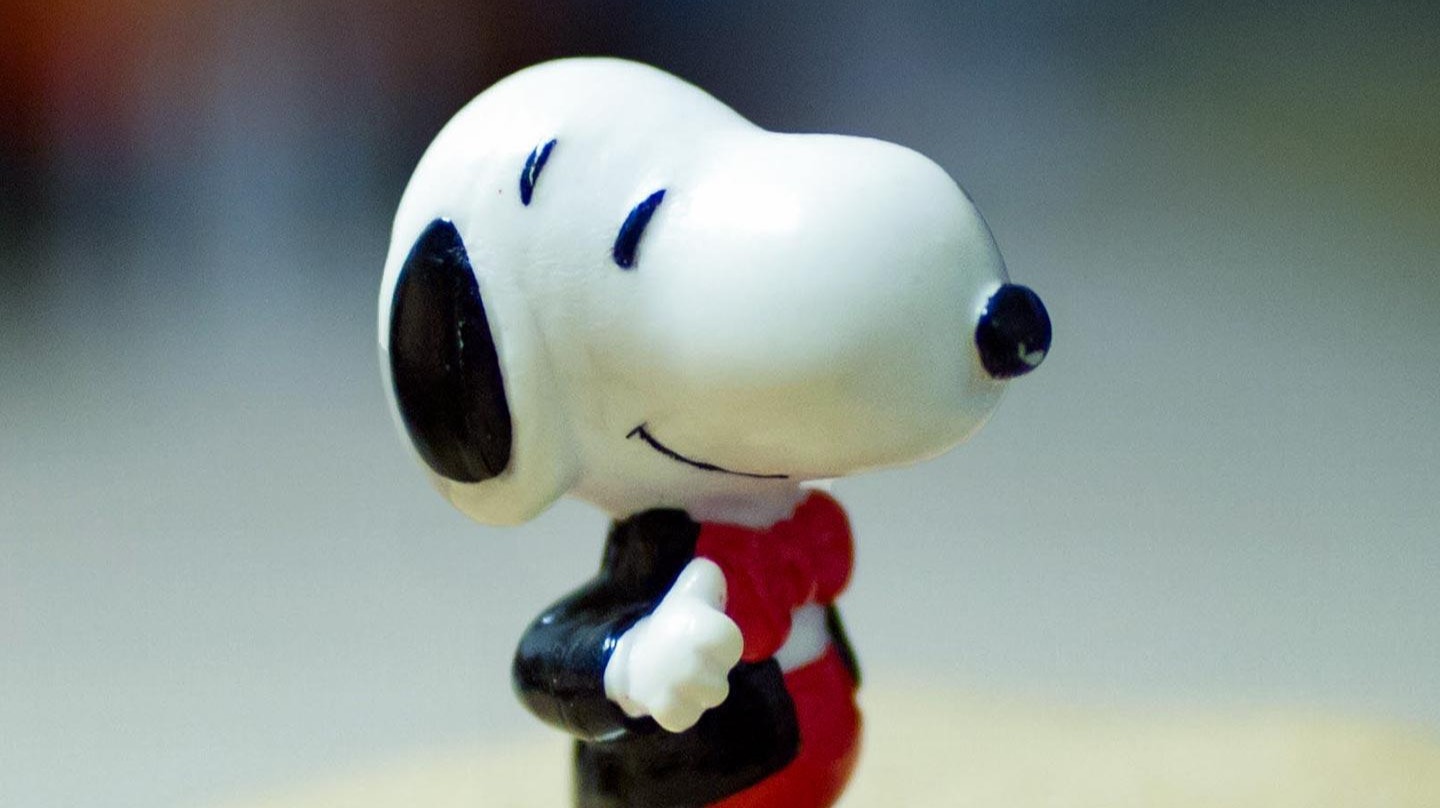
First aired in 1973, the special’s hand-drawn animation and simple story feel like an antidote to the slick, fast-paced children's entertainment of today. The charm lies in its minimalism. There are no explosive action sequences, just Snoopy fighting a sentient lawn chair. There are no adults with speaking roles, just the 'wah-wah' of a trombone, placing the kids squarely at the center of their own universe. Ultimately, the special's smallness is its greatest theme. As Marcie explains, Thanksgiving is about more than a perfect meal; it’s about being thankful for togetherness itself. The unconventional feast becomes a backdrop for this simple, profound message. In the end, everyone is invited to Charlie Brown's grandmother's for a 'real' dinner, but the lesson has already been learned around the ping-pong table.