



In the world of style, small details often do the heaviest lifting. While we obsess over fit and fabric, one of the most overlooked elements on a simple shirt is the cuff—and making it longer can change everything about how an outfit is perceived.
The Subtle Power of Proportion
At its
core, a longer cuff is a play on proportion. A standard barrel cuff is functional, designed to be neat and unobtrusive. An extended cuff, however, does the opposite: it draws attention to the wrist and elongates the line of the arm. This small shift in balance has a ripple effect on the entire silhouette. It can make the wearer’s frame seem a bit more willowy or their gestures more pronounced. While a normal cuff is designed for practicality, a longer cuff is designed for aesthetics. It’s a non-standard choice that breaks the visual rhythm of a typical shirt, forcing the eye to take a second look and register that something different is happening. This visual disruption is the first clue that the wearer’s choice was intentional, not accidental.
A Quiet Nod to Fashion History
Extending the fabric at the wrist is not a new idea; it’s a modern interpretation of a long history. Cuffs first emerged centuries ago not just for function—protecting the sleeve fabric from fraying—but as a status symbol. Lavish, lace-adorned cuffs were a sign of wealth among European aristocrats in the 17th and 18th centuries, telegraphing that the wearer was far removed from manual labor. The most direct ancestor of today's exaggerated cuff is the French cuff (or double cuff), which is longer by design so it can be folded back and secured with cufflinks. This style has long been associated with formalwear and a certain level of sartorial sophistication. A modern shirt with an integrated long cuff borrows some of that historic elegance, distilling the formality of a French cuff into a more streamlined, contemporary form. It whispers of luxury and tradition without needing the accompanying cufflinks or black-tie dress code.
The Psychology of 'Deliberate' Style
The key to the headline's claim lies in fashion psychology. Our clothing choices are a form of non-verbal communication, expressing aspects of our personality and identity. A standard-issue shirt is a default, a safe choice that blends in. A shirt with an exaggerated cuff, however, is an active choice. Because it deviates from the norm, it signals confidence and a conscious engagement with style. It tells onlookers that the wearer thought about their outfit beyond the basics. This is the essence of 'deliberate' style: it’s the opposite of looking like you got dressed on autopilot. The decision to wear a garment with such a distinct, non-essential detail implies that you are not just wearing clothes, but are actively 'dressing'. This confidence can make the entire outfit feel more powerful and considered, even if the rest of the look is incredibly simple.
Making the Look Work
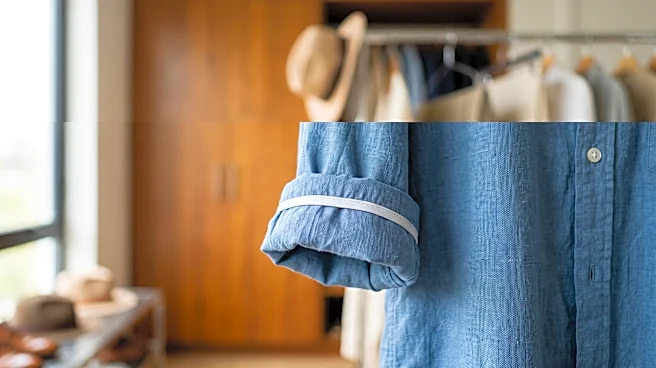
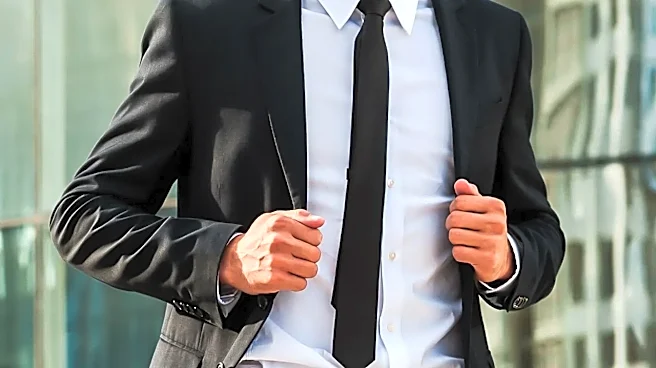
Incorporating a longer cuff into your wardrobe doesn't require a complete style overhaul. The beauty of this detail is its ability to elevate basics. A simple buttondown shirt paired with jeans or tailored trousers is instantly transformed by an extended cuff peeking out from the sleeve. When worn under a blazer or jacket, it creates a clean, layered look that feels polished and intentional. The trick is to ensure the rest of the shirt fits well. An oversized shirt with exaggerated cuffs can look fashionward, but if the entire garment is illfitting, the cuff detail might look like a mistake rather than a choice. Whether the cuff is crisply buttoned or left undone for a more relaxed 'sprezzatura' feel, the goal is to let it be the focal point—a small but powerful declaration that you know the rules of style well enough to bend them.