





The Anatomy of a Nightmare Draw
So what exactly makes a group “of Death?” The term, first coined by Mexican journalists for the 1970 World Cup, describes a preliminary group where the number of strong teams is greater than the number of spots available to advance. In a typical four-team
group where two advance, a Group of Death is one that contains three, or even all four, nations who would be favorites to progress in almost any other context. It’s a perfect storm created by the mechanics of the tournament draw. FIFA uses a seeding system to ensure the top-ranked teams are kept apart in the group stage, but the pots for the remaining teams are often based on geography and rankings, creating the potential for a lopsided, terrifyingly competitive group where every game feels like a final.
A History of Early Exits
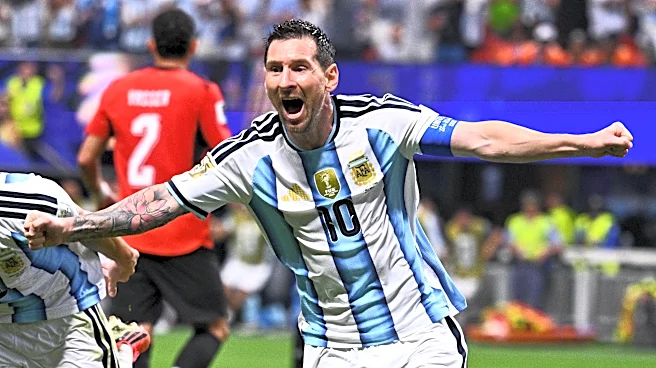
The Group of Death has a long and blood-soaked history of claiming giants. One of the most famous examples came at the 2002 World Cup, where a group featuring Argentina, England, Sweden, and Nigeria was labeled the one to watch. Argentina, a pre-tournament favorite, was sent packing after managing only a win, a loss, and a draw. Similarly, at Euro 2012, a group with Germany, Portugal, Denmark, and the Netherlands saw the Dutch — runners-up at the 2010 World Cup just two years prior — finish bottom without a single point. It was a stunning collapse for a team packed with superstars, proving that pedigree offers no protection when the margins are this thin. More recently, the 2014 World Cup saw both Italy and England eliminated from a group they shared with Uruguay and surprise package Costa Rica, who defied all odds to top the group.
The Ripple Effect of a Giant-Slaying
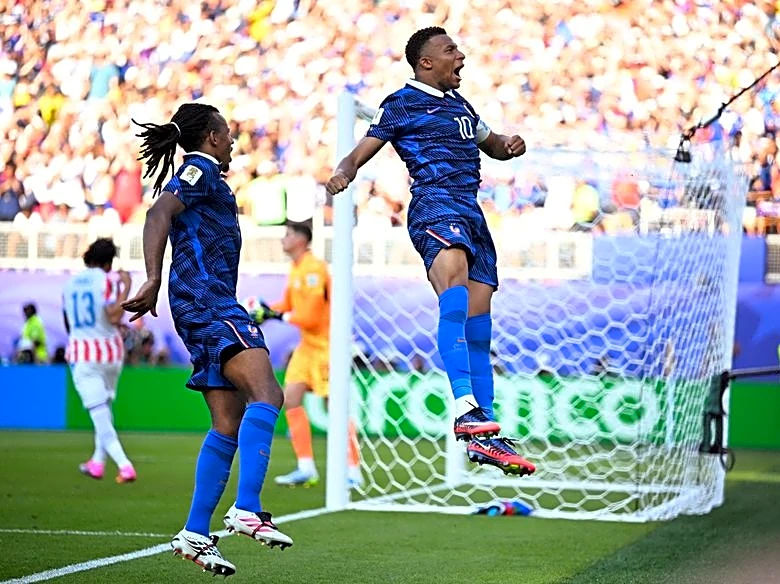
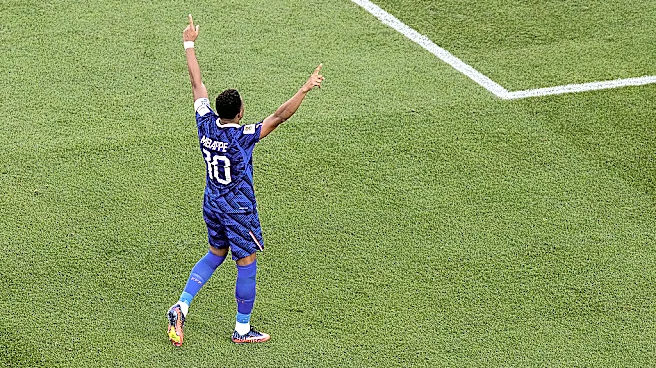
When a favorite is destroyed, the impact is felt across the entire tournament. For the fallen giant, the consequences are immense: a national mood of despair, intense media scrutiny, and often the end of a manager's career. For the teams that survive, it’s a massive boost. They emerge from the group battle-hardened and brimming with confidence, having already navigated knockout-style pressure. The giant-slaying also creates a power vacuum in the bracket. A path to the final that once seemed blocked by a titan is suddenly wide open, giving dark horses and other contenders a new sense of belief. The entire narrative of the tournament shifts, as what was once predictable is now a chaotic free-for-all. A favorite's early exit isn't just their loss; it's a plot twist that electrifies the whole event.
Did 2026 Deliver a Classic Casualty?
The expanded 48-team format of the 2026 World Cup, with 12 groups, led some to believe the concept of a true Group of Death was diluted. While several groups were labeled dangerous on paper—such as Group L with England, Croatia, and Ghana—the format, which allowed some third-place teams to advance, provided a safety net that wasn't there in previous tournaments. And while there were certainly upsets, like Uruguay's shocking group-stage exit, it wasn't a classic case of three Goliaths and one David. Instead, 2026 demonstrated a different kind of danger: with more teams from more confederations, the potential for a giant to be tripped up by a well-organized, lesser-known opponent was higher than ever. The favorites who stumbled didn't fall in a hail of cannon fire from other giants, but rather from a thousand cuts delivered by rising powers.