

It All Starts with the Fabric
The most significant difference lies in the denim itself. Mid-range jeans typically use good, serviceable cotton denim. It’s reliable and gets the job done. Premium brands, however, invest in superior fabric. This often means higher-quality cotton that
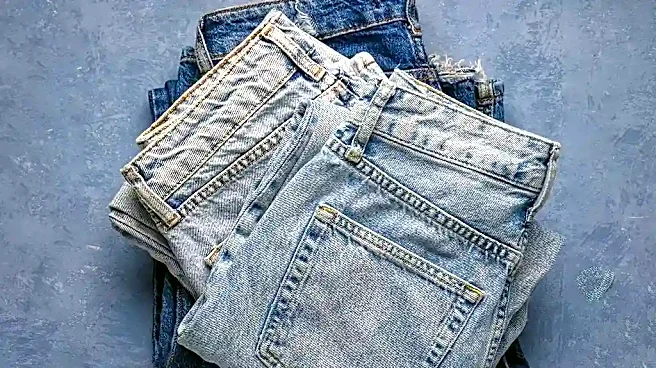
feels softer and more durable. You'll frequently hear the term 'selvedge denim,' often sourced from specialist mills in Japan or Italy. Selvedge is woven on old-school shuttle looms, a slower process that creates a denser, more robust fabric with a tell-tale, self-finished edge (the 'self-edge') that prevents unraveling. This kind of denim is built to age gracefully, developing a unique patina and fades that reflect how you live and move in them. Mid-range jeans, by contrast, often use more processed, mass-produced fabric designed to feel soft right off the rack.
Construction: The Devil in the Details
Flip both pairs of jeans inside out, and the story of their quality becomes clear. A premium jean is a lesson in meticulous construction. Look for high stitch density—more stitches per inch—which creates stronger seams. Techniques like chain stitching on the hem and flat-felled seams on the inseam are hallmarks of durability, designed to handle stress over years of wear. In contrast, mid-range jeans are built for speed and volume. The stitching might be less dense and consistent, with fewer reinforcements at key stress points like pocket corners and the crotch. Over time, these are the areas that tend to give out first on a less expensive pair.
Hardware That Holds Up
Now, let’s talk about the metal. The buttons, rivets, and zippers on a pair of jeans aren't just functional; they're indicators of quality. Mid-range brands often use generic, lighter-weight hardware. The zipper might be a standard model, and the button on the fly might feel a bit thin. Premium brands see hardware as another opportunity for expression and durability. They frequently use custom-branded, heavier-gauge buttons and rivets, often made from solid copper or nickel that will patina beautifully along with the denim. The zipper is likely to be from a top-tier manufacturer known for reliability. These small details might seem minor, but they contribute to the overall feeling of a substantial, well-made garment that's built to last.
The Art of the Wash and Fit
The final look of a jean is often determined by its wash. Mid-range jeans often undergo aggressive washing processes, like stone washing, to achieve a faded, worn-in look quickly. Sometimes these can look a little artificial. Premium brands often take a more artistic approach. Some focus on 'raw' or unwashed denim, meant for the wearer to break in themselves over months or years. When they do offer pre-washed jeans, the techniques are more nuanced, using enzymes or precise hand-sanding to create fades and whiskers that mimic natural wear. This also applies to fit. While mid-range brands have gotten much better, premium labels often invest more heavily in pattern-making, resulting in cuts that are engineered to flatter and mold to the body over time.