


It's the great winter paradox: dressing for the frigid outdoors only to swelter in an office or apartment with an overzealous heating system. This is our guide to winning the battle of the thermostat and staying comfortable all day long.
The Undisputed Champion: Merino Wool
If there's one
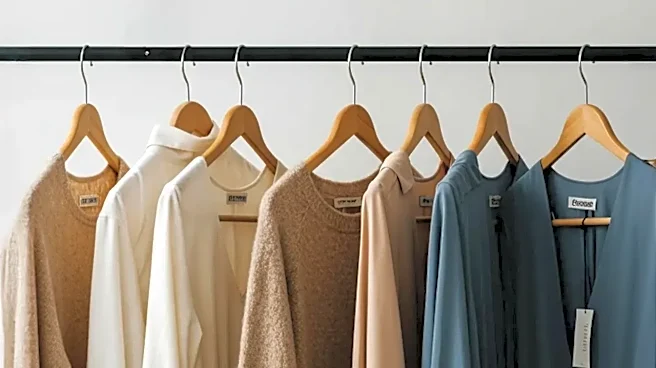
fabric that aces the indoor-heating test, it's merino wool. Unlike traditional wool, fine merino is soft, not bulky, and excels at thermoregulation. This means it keeps you warm in the cold and releases heat when you're indoors. It wicks moisture away before you feel clammy and has natural odor-resistant properties, making it perfect for a long day that starts with a chilly commute and ends in a warm office. A lightweight merino sweater or even a fine-knit merino T-shirt is a versatile workhorse that layers beautifully without causing you to overheat. For everyday wear, it is often considered a more practical and durable choice than more delicate fibers.
The Luxury Pick: Lightweight Cashmere
For pure softness and warmth without weight, nothing beats cashmere. It’s significantly warmer for its weight than merino, making a thin cashmere sweater feel incredibly cozy. While it provides excellent insulation, its real strength indoors is as a light, elegant layer. Think of a cashmere crewneck for video calls or a relaxed cardigan you can easily take on and off. However, cashmere is more delicate and prone to pilling than merino, so it's best reserved for less rugged daily wear and requires more gentle care.
The Essential Base: Breathable Layers
The secret to managing fluctuating temperatures is smart layering, and it all starts with the layer closest to your skin. Forget heavy cotton, which can get damp and stay damp. Instead, opt for thin, breathable base layers made from materials like silk, modal, or performance blends. These fabrics are designed to be smooth, lightweight, and manage moisture effectively. A silk or technical-fabric long-sleeved tee worn under a sweater provides an extra layer of insulation that you won't even notice until you need it, but it won't cause you to overheat once you're settled at your desk.
The Smart Mid-Layer: The Open Cardigan
The ability to easily add or remove a layer is crucial. The open cardigan or a zip-front sweater is the ultimate utility player in an indoor-heating wardrobe. It provides warmth when you need it but can be opened up or taken off completely without disrupting your whole outfit. A hip-length cardigan in merino wool or a cashmere blend offers the perfect combination of warmth, breathability, and style. This piece acts as your personal temperature control, allowing you to adapt instantly to a stuffy meeting room or a drafty corner office.
The Work-From-Home Hero: The Elevated Jogger
For those working from home, the challenge is staying comfortable without feeling sloppy. While heavy fleece sweatpants can quickly become too warm, a pair of joggers in a technical knit or a smart wool blend is the perfect solution. These 'smart' joggers are breathable, stretchy, and look more put-together than their fleecy cousins. Paired with a merino sweater, they create an outfit that's comfortable enough for an entire day at a desk but presentable enough for any last-minute errands.
The Finishing Touch: Wool Socks and Scarves
Don't underestimate the power of accessories. Cold feet can make your whole body feel chilly, even in a warm room. A pair of quality wool socks makes a huge difference. Likewise, a lightweight scarf—whether silk, fine wool, or cashmere—can be easily added or removed to regulate your temperature. It's a simple way to add a layer of warmth around your neck without committing to another full garment.