
The Tonal Bait-and-Switch
A common trick is to sell a movie as something it's not. A slow-burn drama can be cut with fast-paced music and quick edits to look like an action thriller. A horror movie's few jump scares might be all
you see in the trailer, hiding that it's actually a psychological study. This fall, look at a film like “Klara and the Sun,” based on Kazuo Ishiguro’s introspective novel. The trailer will likely highlight the sci-fi mystery and Amy Adams' star power, but the film's core is a quiet, emotional drama. If the trailer feels more frantic than the source material suggests, be wary. The goal is to get the biggest possible audience in seats on opening weekend, even if it means misleading them about the film's actual vibe.
The Misleading Music Cue
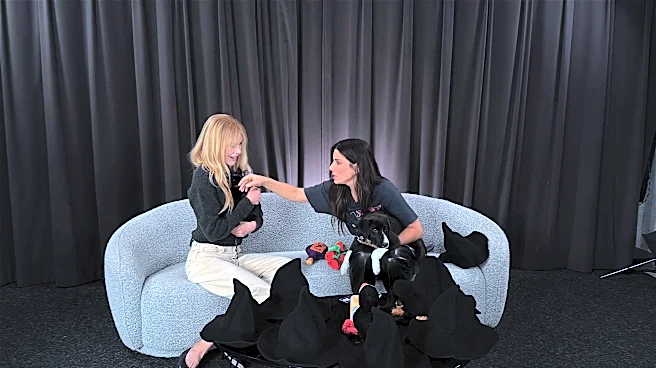
Music is the emotional engine of a trailer. A perfectly placed, nostalgic pop song or a swelling orchestral score can make average footage feel epic and significant. It's a powerful tool that often has nothing to do with the final film's score or tone. Consider “Practical Magic 2,” which brings back Sandra Bullock and Nicole Kidman. Expect the trailer to lean heavily on a beloved 90s witch-pop anthem to evoke nostalgia. While effective, ask yourself: is the song doing the heavy lifting? A great music choice can mask a thin plot or clunky dialogue, creating a sense of excitement the movie itself might not deliver. The music sells a feeling, not necessarily the film's quality.
The 'Every Funny Line' Edit
This is the cardinal sin of comedy trailers. If you find yourself laughing hard at three or four different jokes, you may have just seen every truly funny moment in the entire movie. Comedies are notoriously difficult to market, so editors often pack the trailer with all the best punchlines to guarantee a positive reaction. A potential candidate for this treatment could be the Cold War comedy “Mayday” starring Ryan Reynolds. His signature rapid-fire wit is perfect for a two-minute trailer. But if the preview feels like a highlight reel, it probably is. You might be better off saving your laughs for the actual movie by going in fresh, or risk discovering the trailer was the main event.
The All-Star Cameo Front and Center
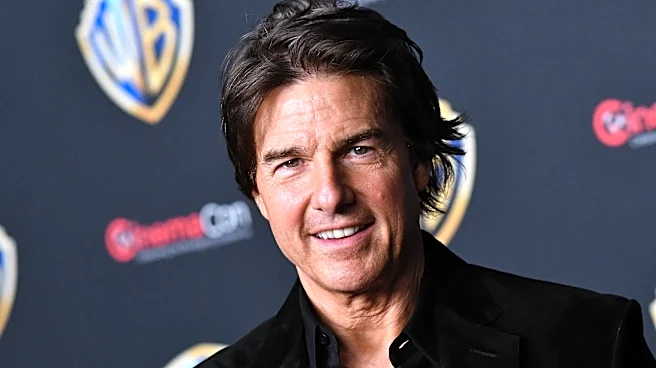
You see a huge star in the trailer—think Tom Cruise in “Digger” or Brad Pitt in “Heart of the Beast”—and assume they are the lead. But sometimes, a big name is just a glorified cameo, used for marketing muscle. Trailer editors will use an actor's few minutes of screen time to suggest they have a major role. It’s a classic peripheral route to persuasion: you see a famous face and associate their star power with the whole project. Before buying a ticket based on one actor, check the full cast list and billing order. If they are listed further down, their appearance might be a marketing hook rather than a leading performance.
The Spoiler-Filled Story Summary
In an effort to leave nothing to chance, some trailers lay out the entire plot from start to finish, including major turning points. This often happens when a studio is nervous about a film's commercial prospects and decides to show audiences everything to convince them there's a complete story there. A film like “Whalefall,” about a diver swallowed by a whale, is a prime example. The trailer will need to establish the wild premise, but if it starts showing you exactly how he plans to escape from inside the whale's belly, it has gone too far. The best trailers create questions and intrigue. The ones that provide all the answers often signal a lack of confidence in the film's ability to surprise you.