






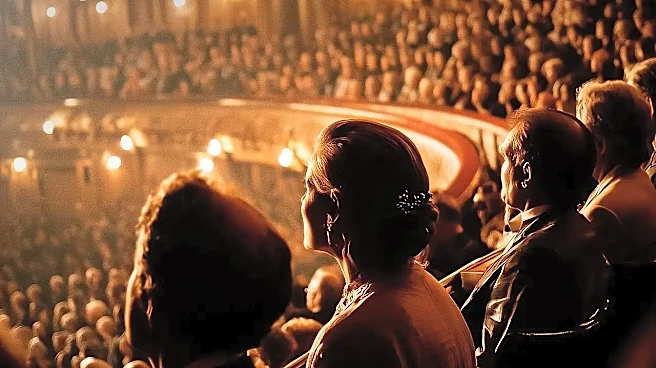
More Than Just Another Festival
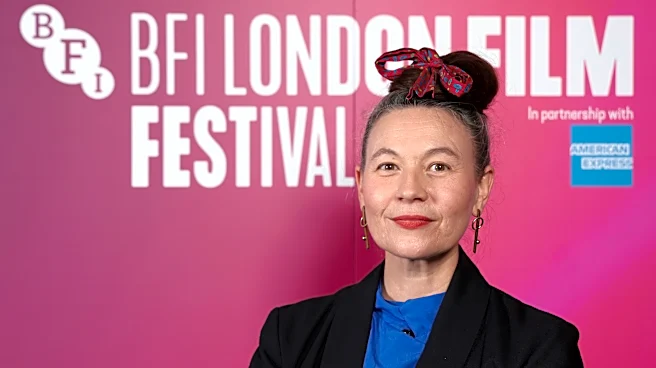
In a calendar crowded with film festivals, from the high-glam marketplace of Cannes to the indie discovery zone of Sundance, the BFI London Film Festival (LFF) carves out a unique space. Run by the British Film Institute (BFI), a 93-year-old cultural
charity, its mission isn't just about premieres; it's about curating a vision of cinema for the public. Unlike many industry-focused events, LFF is designed as a 'public-facing festival'. It began in 1957 as a 'festival of festivals', bringing the best of world cinema to Londoners. While it has since grown into a major international event, that core principle remains: it’s for audiences. This gives it a different energy, one focused on discovery and cultural conversation rather than purely commercial deal-making. It’s a place where a blockbuster can premiere alongside an experimental short, all unified by a goal to get people excited about the art of film.
The Global Launchpad for British Talent
For American audiences, the LFF is a quiet but essential gateway. It serves as a critical launchpad where many British films and talents get their first major international exposure before crossing the Atlantic. The festival’s official competition and awards can create significant buzz, propelling films into the awards season conversation for both the BAFTAs and the Academy Awards. More importantly, its 'Works-in-Progress' showcase and industry forums provide a platform for emerging UK filmmakers to connect with international buyers, distributors, and sales agents. Success stories from these programs have gone on to premiere at major global festivals like Sundance and Locarno, demonstrating LFF's role as a vital incubator. It’s a key part of the BFI's broader mission to support the next generation of UK creators and promote them internationally.
A Crucial Marketplace and Industry Hub
While it champions public access, the festival is also a vibrant business hub. Each October, London becomes a meeting ground for global industry professionals. The festival’s Industry Forum hosts panels on co-production, distribution, and the state of cinema, bringing together producers and executives from Europe, the Americas, and beyond. Events like the 'New Waves' co-production meetings, organized with France's CNC, directly foster international collaboration. For a British independent film, a well-received screening at LFF can lead directly to a U.S. distribution deal, meaning the festival is often the first, crucial step in a film's journey to American theaters. It delivers not just cultural value, but a real economic boost to the UK film industry.
Defining Modern 'Britishness' on Screen
Perhaps the festival's most significant role is in defining and redefining what 'British cinema' looks like to the rest of the world. It actively works to move beyond the stereotypes of historical costume dramas. The BFI’s programming often highlights contemporary stories that reflect the UK's cultural diversity. By curating films that explore a wider range of narratives, from urban romances in Bradford to gritty thrillers set in Victorian London, the festival presents a more modern, complex, and inclusive national identity. This curation is a deliberate act of cultural diplomacy, showcasing the full breadth of UK creativity and ensuring that international audiences see a Britain that is dynamic and forward-looking, not just one steeped in the past.