

Armor for the Corporate Ladder
The rise of power dressing in the late 1970s and 1980s wasn't just a stylistic choice; it was a direct response to a massive social shift. As more women entered corporate America, they found themselves navigating professional environments built by and for
men. To compete and be taken seriously, they needed a new kind of wardrobe. Fashion became a tool, a form of visual armor. The power suit, with its broad, padded shoulders and tailored silhouette, was designed to project authority and confidence. Popularized by authors like John T. Molloy in his book "Dress for Success," the initial look was a fairly strict uniform: a skirted suit, often in a conservative color, intended to minimize femininity to fit into the male-dominated workplace.
From Uniform to High Fashion
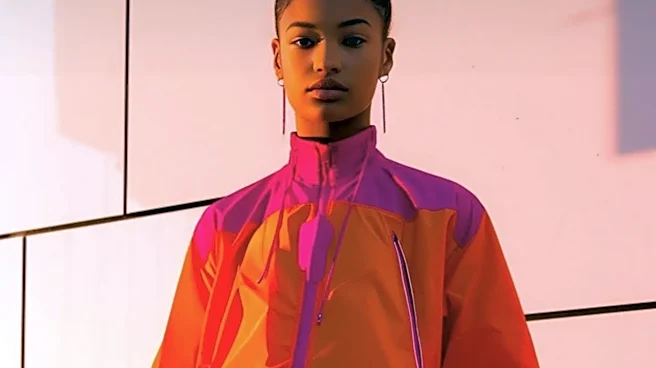
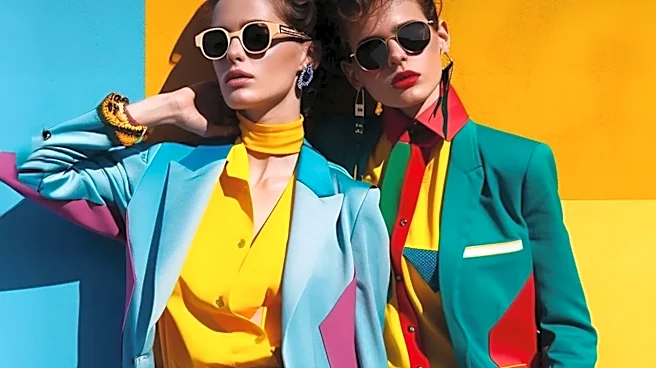
While the concept started with a rigid formula, it didn't stay that way. Designers like Giorgio Armani, Thierry Mugler, and Claude Montana took the basic concept and injected it with high fashion. Armani deconstructed the suit, offering a softer, more elegant authority. Mugler and Montana leaned into theatricality with exaggerated shoulders and sharp, futuristic lines. Pop culture amplified the trend, with TV shows like "Dynasty" and movies like "Working Girl" showcasing heroines who used their wardrobes to signal ambition and competence. The power suit evolved from a way to blend in to a way to stand out, embracing bold colors like fuchsia and royal blue and accessorized to make a statement.
The Quiet Evolution of the 90s
The most significant legacy of 80s power dressing is what happened when the shoulder pads started to shrink. The 1990s ushered in an era of minimalism, a seemingly stark rejection of the previous decade's excess. But this wasn't a complete reversal; it was an evolution. The battle for women to have a place in the office was, if not won, then firmly established. The idea of a professional wardrobe for women was no longer a novelty. With that confidence established, the 'armor' could become less literal. The power was no longer just in the jacket's silhouette but in the woman wearing it. Tailoring became softer, silhouettes became slimmer, and trousers became just as common as skirts. The statement of power became less about adopting a masculine shape and more about expressing a confident, individualized professionalism.
The Echoes in Today's Wardrobe
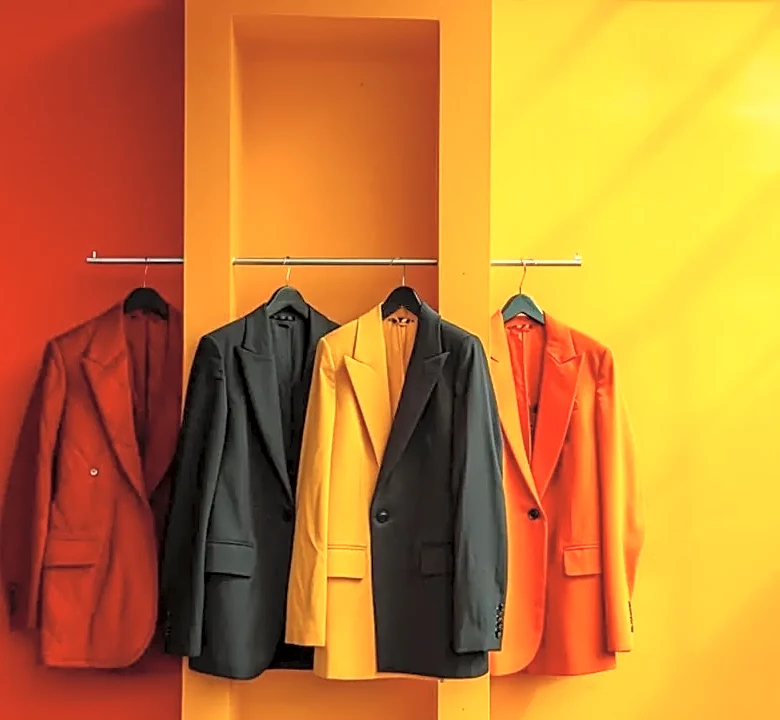
Look around any modern office, and you'll see the quiet legacy of power dressing. The blazer-and-jeans combo, the tailored jumpsuit, the sharp pantsuit worn to a board meeting—all are direct descendants. The 1980s established the idea that clothing could be a deliberate tool for female empowerment in a professional context. Today, that concept has fragmented into a thousand different expressions of personal style. The focus has shifted from a single 'power' uniform to the power of choice. What remains is the core principle that began in the 80s: that a woman's clothing can be a powerful statement of her ambition, confidence, and authority, defined entirely on her own terms.