



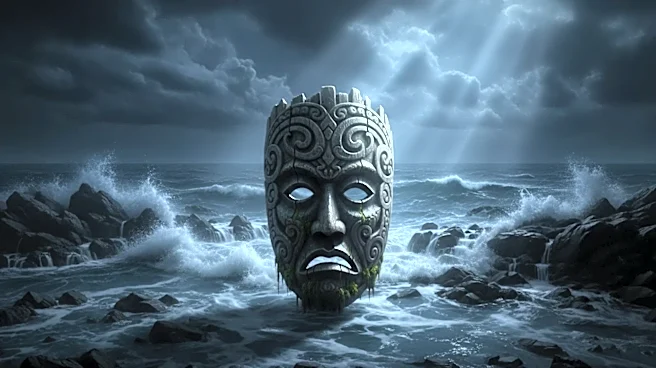

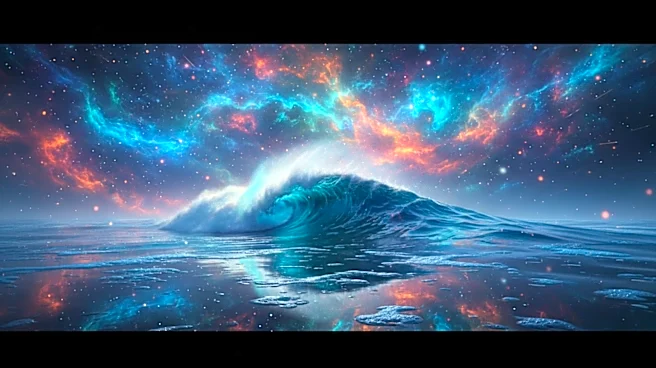


The 'Moana' Doctrine: An Ocean with a Soul
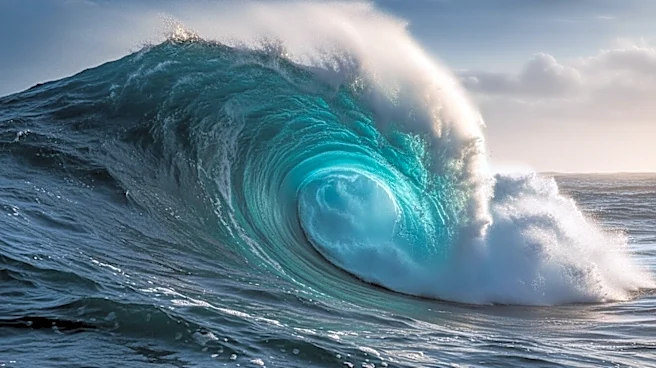
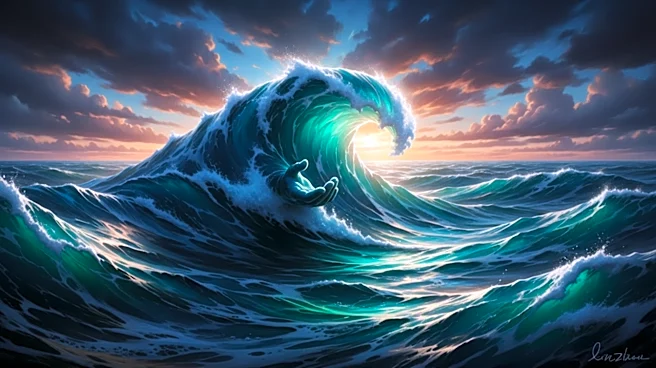
Look no further than Disney's 'Moana' for the ultimate case study in giving water a soul. The Pacific Ocean in the film isn't just a setting; it's a main character. It’s sentient, playful, and often a stubborn co-star with its own agenda. The ocean chooses
Moana, guides her, and even high-fives her with a well-aimed wave. Animators achieved this by giving the water “art-directed flows,” making it feel alive and self-motivated rather than just a passive body being acted upon. This personification is key. It has desires (to restore the Heart of Te Fiti) and established abilities, like creating currents or parting for Moana. But it also has limitations—it can’t just return the heart itself, creating the entire premise for the hero's journey. By defining its character first, the filmmakers gave the subsequent CGI a purpose. Every splash and swell serves to reveal its personality, turning what could have been a simple backdrop into a beloved and crucial part of the story.
The Rules of the Reef in 'Finding Nemo'
While the ocean in 'Moana' has a conscious personality, the world of 'Finding Nemo' operates on a different, but equally important, principle: unwavering rules. Director Andrew Stanton’s vision was built on the idea that the ocean should be a metaphor for life itself: beautiful, but also dangerous and unpredictable. This wasn't just a creative whim; it was a foundational rule for the entire narrative. The story's tension comes from Marlin's crippling fear of a world governed by these rules. The dangers are consistent: jellyfish sting, sharks are a threat (even when they’re in a support group), and the vast emptiness is terrifying. These stakes feel real because the world operates under a logic the audience understands. The beauty of the coral reef is contrasted with the genuine peril of the open water. Pixar didn't just render a photorealistic ocean; they built an ecosystem with an established food chain, behavioral patterns, and physical laws that drive the plot forward. The CGI is breathtaking, but its power comes from animating a world with consequences.
When Impressive Visuals Aren't Enough
Spectacular CGI can create moments of awe, but without a strong narrative foundation, it can feel hollow. The recent trend of hyper-realistic animation in remakes, for example, sometimes prioritizes technical prowess over emotional expression. When every ripple and reflection is perfectly rendered, there's a risk of landing in an emotional uncanny valley. The characters can appear lifelike but lack the exaggerated, expressive qualities that make animation so powerful for storytelling. A film can spend millions rendering the perfect splash, but if that splash doesn’t advance the plot, reveal something about a character, or reinforce the world’s rules, it’s just expensive window dressing. Critics of modern CGI often point out that a lack of connection to the physical world or unrealistic physics can make even the most detailed creations feel weightless and fake. The best special effects are often the ones that seamlessly support the story, not the ones that scream for attention.
Why We Connect with a 'Living' Sea
Ultimately, our fascination with a cinematic ocean is tied to our real-world relationship with it. We see it as powerful, life-giving, and mysterious. Animation that taps into these core feelings resonates deeply. By giving the ocean a personality, as in 'Moana', filmmakers tap into a mythic, spiritual view of nature. By giving it strict rules, as in 'Finding Nemo', they tap into our respect for its immense and impartial power. In both cases, the story comes first. The creative team made decisions about what the ocean was and what it meant before deciding what it would look like. This is the crucial step. Before a single polygon is rendered, the ocean must have a defined role, a set of behaviors, and a reason for being. This conceptual work provides the soul, and the CGI, no matter how splashy, is merely the vessel that contains it.