

The 'Golden Hour' Obsession
More than any other genre, Americana is spiritually tied to the “golden hour”—the period shortly after sunrise or before sunset. The light during this time is soft, warm, and dimensional, casting long shadows and wrapping subjects in a flattering glow.
Cinematographers exploit this natural phenomenon to instantly imbue their shots with a sense of nostalgia and romanticism. This warm, low-angle light mimics the look of older film stocks and feels less like a sterile digital recording and more like a fading memory. It’s a simple trick that grounds the video in a natural, earthy setting, connecting the artist to the landscape and the relentless passage of time.
A Muted, Earthy Color Palette
The vibrant, poppy colors of a mainstream pop video are the enemy of the Americana aesthetic. Instead, colorists and directors of photography aim for a more subdued and cohesive palette. In post-production, this is achieved through color grading, where digital footage is manipulated to achieve a specific mood. Typically, this involves desaturating overly bright colors, boosting earthy tones like browns, greens, and ambers, and gently “crushing” the blacks to make them feel slightly faded and less stark. The goal is to create a look that feels organic and lived-in, as if the images were printed on sun-bleached photographic paper. This color strategy reinforces themes of authenticity, struggle, and a connection to the natural world.
The Allure of Imperfect Lenses
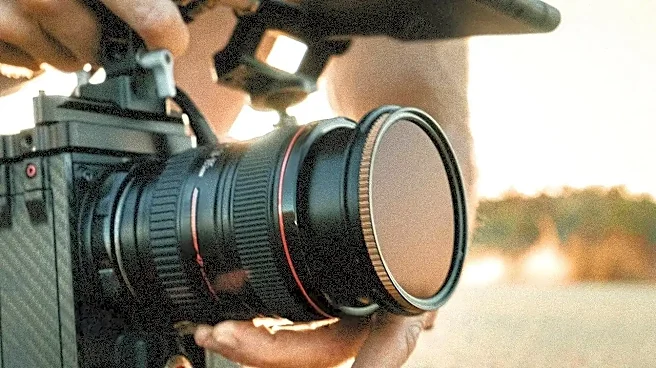
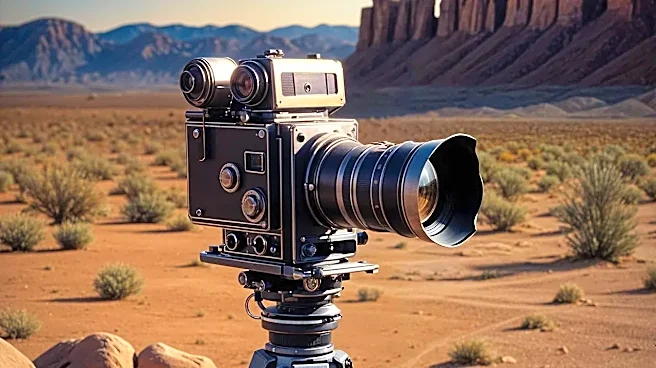
While Hollywood blockbusters strive for crystal-clear, perfect images, Americana music videos often embrace imperfection. A popular tool for this is the use of vintage or anamorphic lenses. Vintage lenses, like old Minolta or Canon FD glass, often have unique characteristics—they might be slightly less sharp, or they might produce distinctive lens flares that modern lenses are engineered to avoid. Anamorphic lenses, traditionally used for widescreen cinematic formats, create sought-after effects like oval-shaped background blurs (bokeh) and horizontal lens flares. These visual quirks add a layer of organic texture that feels more tangible and less digital, enhancing the feeling that you're watching a timeless story, not just a modern video.
Handheld, But With Purpose
There’s a subtle art to camera movement in Americana videos. It's rarely the chaotic, disorienting shaky-cam of an action movie. Instead, cinematographers often opt for gentle, deliberate handheld movements. This technique creates a sense of intimacy and immediacy, making the viewer feel like a quiet observer in the room or field with the artist. The slight, natural sway of the camera mimics the feeling of human presence and breathing, breaking the fourth wall without being distracting. This rawness contrasts sharply with the perfectly smooth, robotic movements of a dolly or crane, reinforcing the genre's emphasis on human connection and unvarnished reality.
Adding Grain, Dust, and Haze
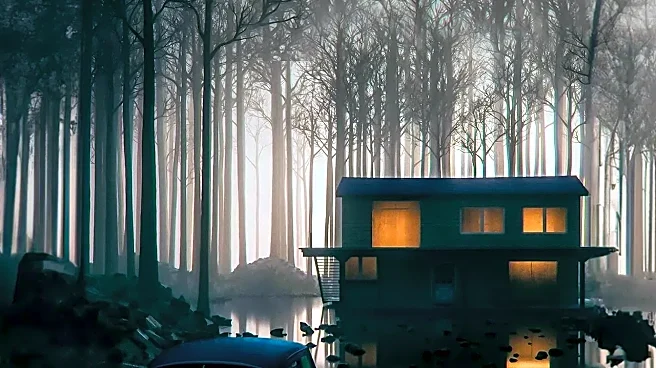
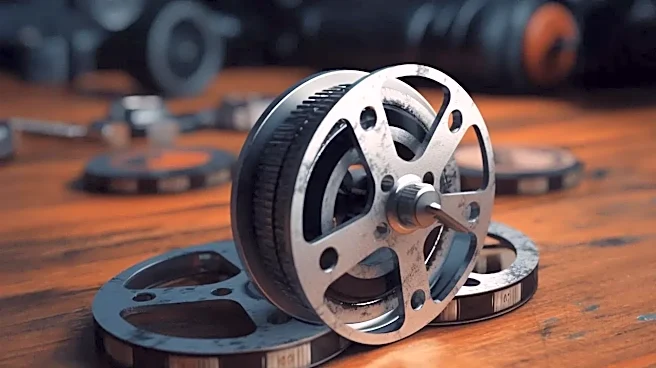
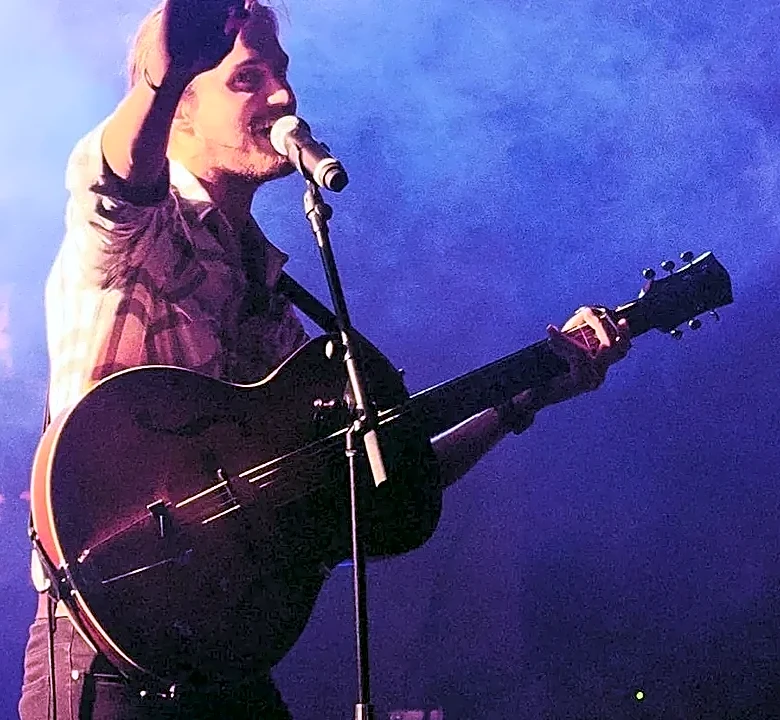
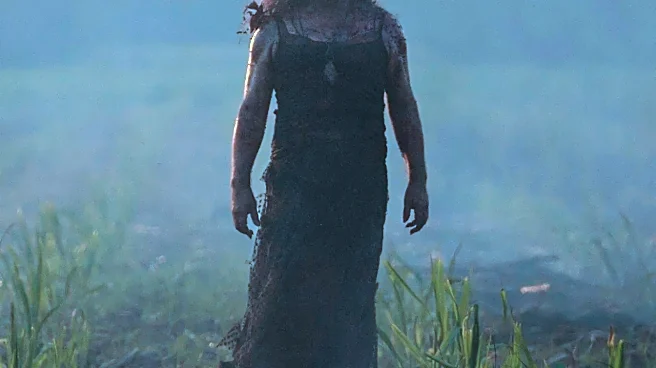
In an era of high-definition clarity, Americana visuals often rebel by deliberately adding imperfections. One of the most common techniques is adding a layer of digital film grain in post-production. This emulates the texture of classic 16mm or 35mm film stock, adding a fine, sandpaper-like grit to the image that makes it feel more tactile. Similarly, directors will sometimes use a haze machine on set to create a subtle, misty atmosphere. This effect, known as halation, causes light sources to bloom and soften, further reducing digital sharpness and enhancing the dreamlike, nostalgic quality. These elements are the final layer of polish—or, more accurately, un-polish—that completes the Americana texture.